kaiser
noun kaiser
ˈkaɪzər
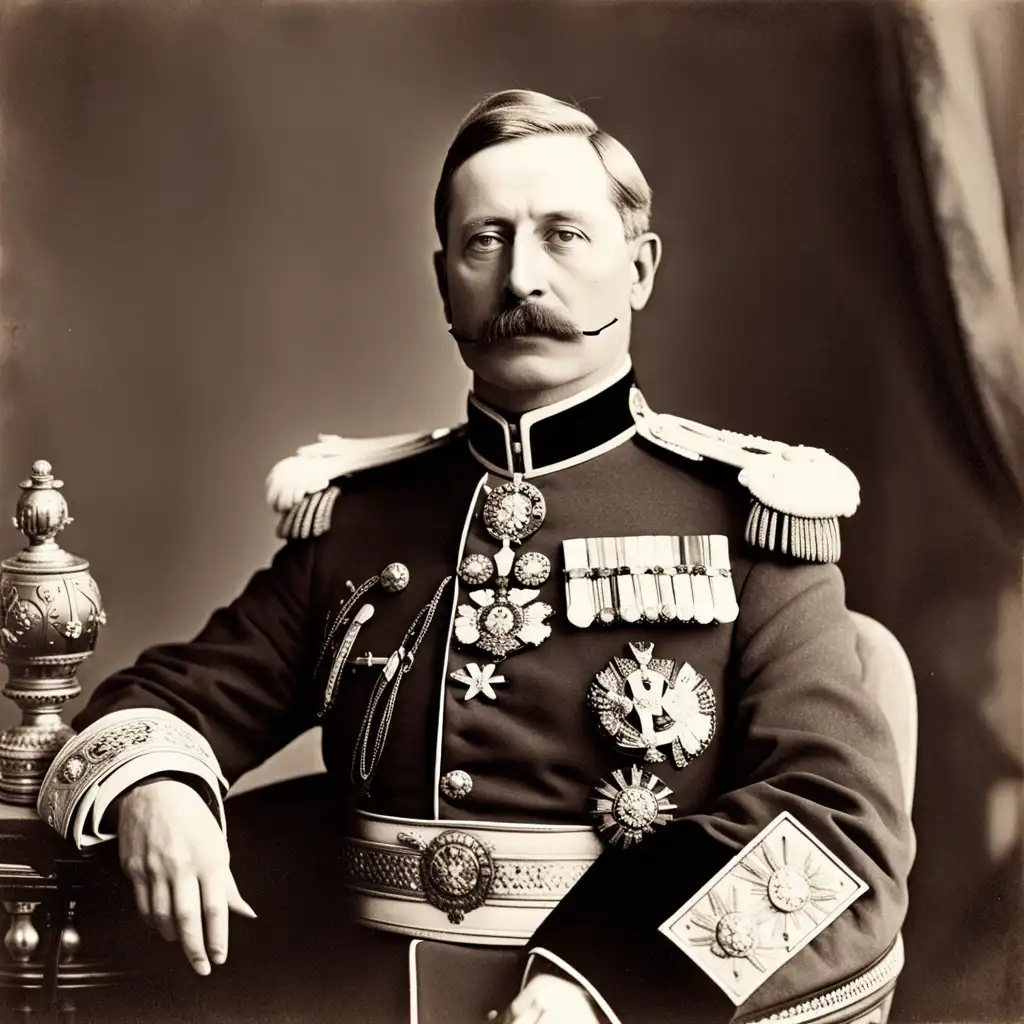
The German word for 'emperor', often used to refer to the German emperors of the past.
Kaiser Wilhelm II was the last German Emperor and King of Prussia.
kaiser
ˈkaɪzər
불러오는 중…
ˈkaɪzər
The German word for 'emperor', often used to refer to the German emperors of the past.
Kaiser Wilhelm II was the last German Emperor and King of Prussia.
ˈkaɪzər
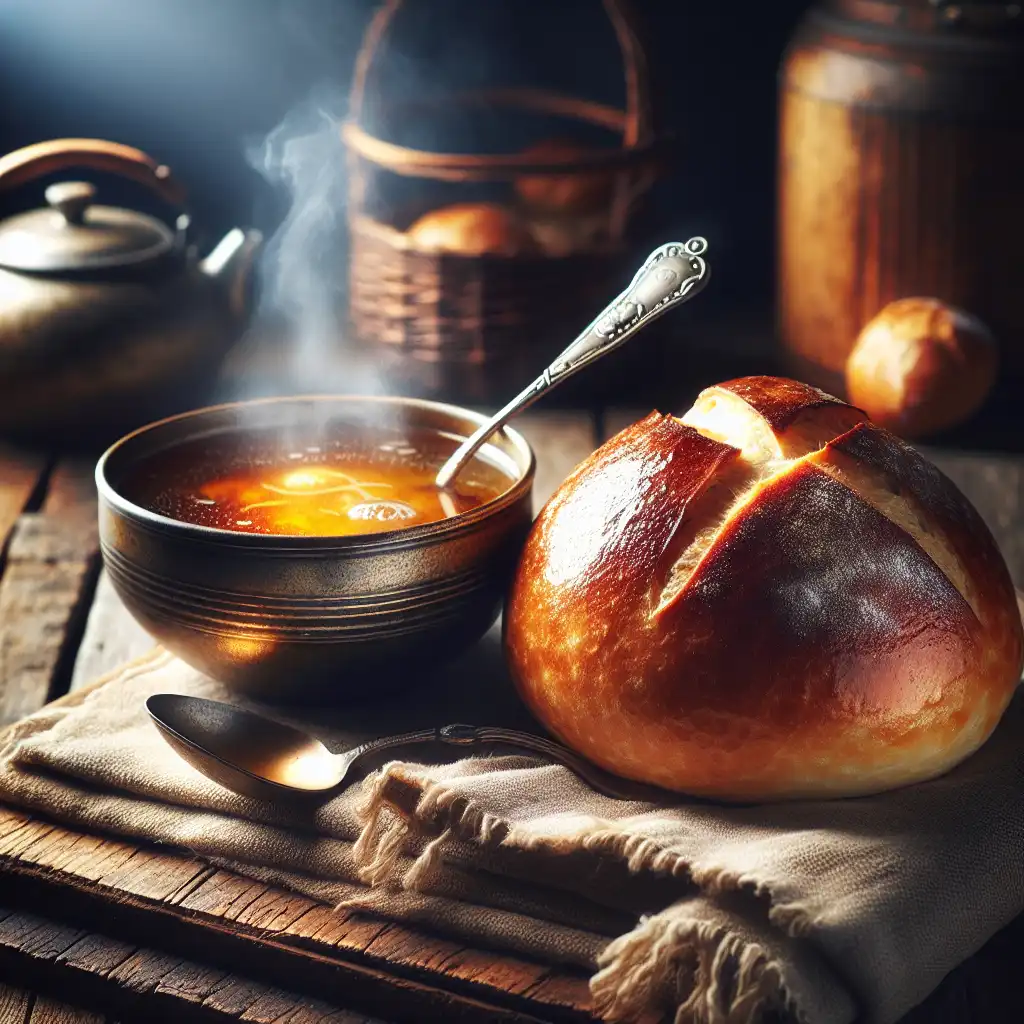
A type of large, round bread roll originating from Austria.
I like having a kaiser roll with my soup.
오디오를 불러오지 못했어요. 잠시 후 다시 시도해 주세요.
Kaiser is a word that comes from German, and it means "emperor". It used to be used to refer to the title of the ruler of Germany from 1871 to 1918. Nowadays, the word is not used in everyday conversation in English, except when referring to historical figures such as Kaiser Wilhelm II. In general, it is best to avoid using the word in casual conversation, as it may not be well understood by others. However, it may sometimes be used in more formal or academic settings to talk about European history or politics.
An autocrat is a ruler who has complete control and power over their country or territory. They can make decisions without needing approval from anyone else.
On the other hand, Kaiser is a title used specifically for the Emperor of Germany. While an autocrat has broader application, Kaiser is a specific term used only in reference to the German monarch.
An autocrat is a general term for a leader with complete control, while a Kaiser is a specific term for the Emperor of Germany.
단어 열기: Autocrat →Despot refers to a ruler who holds absolute power and often abuses that power by oppressing their people. This term usually describes a dictator or tyrant who rules with an iron fist.
A despot is a ruler who abuses their power and oppresses their people while a kaiser is a monarch who holds supreme authority over a country.
단어 열기: Despot →Emperor and Kaiser essentially mean the same thing - a ruler of an empire.
However, emperor is the English word for a monarch who ruled over an empire, while Kaiser is the German word for the same.
Emperor is used in English-speaking countries, while Kaiser is used in Germany and other German-speaking countries. Both words essentially mean the same thing, but have different origins and cultural connotations.
단어 열기: Emperor →King is commonly used to describe a ruler of a sovereign state, often born into a royal family and holds power based on inheritance.
Kaiser is a German word used to describe an emperor or a ruler of a German-speaking country, such as the former German Empire.
King is a more general term for a ruler, while kaiser specifically refers to a German emperor or monarch.
단어 열기: King →Both kaiser and monarch are titles for rulers, but they are specific to different regions of the world.
Monarch is a more general term that can refer to any type of ruler, regardless of region. It's commonly used to describe a king or queen, but it can also apply to emperors, sultans or other rulers.
A kaiser is a specific type of monarch that ruled the German empire, while monarch can refer to any type of ruler.
단어 열기: Monarch →Potentate is a broader term that can be used to refer to any ruler or person in a position of power, regardless of their country or title.
단어 열기: Potentate →Ruler is a more general term that simply means the person in charge or with authority over a particular place or organization.
It can refer to anyone from a king or queen to a governor or mayor. So, while kaiser is a very specific term for a particular historical period and place, ruler is a more general term that can be used in any context where someone is in charge.
단어 열기: Ruler →Sovereign is a more general term that can refer to any ruler who has complete power and authority over a country or territory.
So, while kaiser is applicable only in the context of German history, sovereign can be used to refer to rulers in many different countries throughout history.
단어 열기: Sovereign →DODDS Finalist %\PIPE%...
YouTube에서 보기 ↗War is not the quintessential emergency in which man has to prove himself, as my generation learned at its school desks in the days of the Kaiser; rather, peace is the emergency in which we all have to prove ourselves.
Tim Brown urges...
YouTube에서 보기 ↗