
chivalrous
adjective chivalrous
ˈʃɪvəlrəs
Being polite, kind, and helpful, especially towards women
John took off his coat on a cold night and offered it to Mary, which was a chivalrous act.
chivalrous
ˈʃɪvəlrəs
Cargando…
ˈʃɪvəlrəs
Being polite, kind, and helpful, especially towards women
John took off his coat on a cold night and offered it to Mary, which was a chivalrous act.
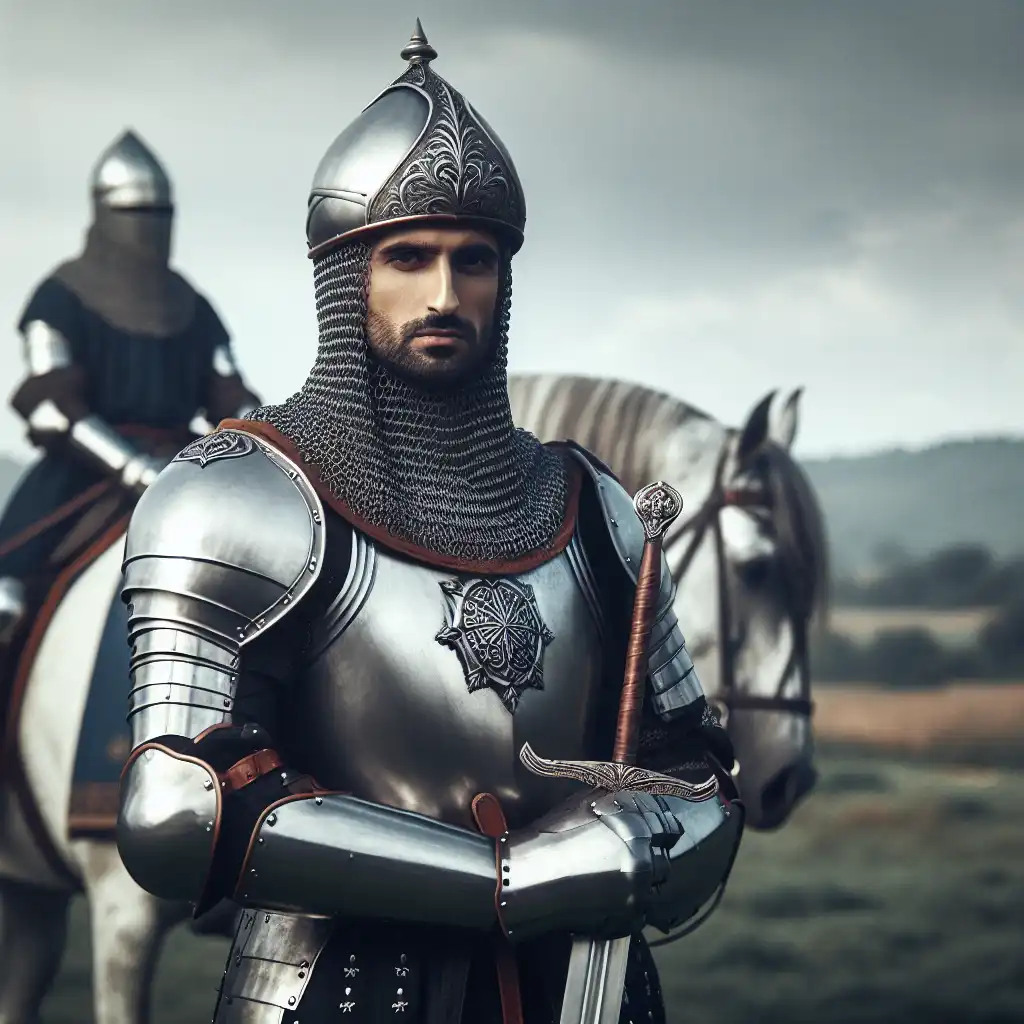
ˈʃɪvəlrəs
Related to the system of medieval knighthood
In the middle ages, knights would follow a chivalrous code of honor.
No se pudo cargar el audio. Inténtalo de nuevo más tarde.
Chivalrous is a word used to describe a person who is polite, honorable, and respectful towards others, especially women. It is often used to describe someone who shows good manners, bravery and courteous behavior towards others. For example, if a man opens the door for a woman, or helps an old person cross a busy road, you can say that he is being chivalrous. It is a positive word and it helps to describe people's good behavior towards others.
Courteous means polite behavior that shows consideration and respect for others.
However, chivalrous is often used more in the context of traditional gender roles and romantic relationships, while courteous is a more general term that can apply to any situation.
Abrir palabra: Courteous →Courtly means being gracefully polite, sophisticated, and refined. This term is typically used to describe behavior that is associated with the royal court or high society.
Chivalrous is more focused on showing kindness and honor, while courtly is more focused on exhibiting refinement and sophistication.
Abrir palabra: Courtly →Both chivalrous and gallant mean showing politeness and respect towards women. The difference between them is that chivalrous refers to a general code of conduct that includes bravery, honor, and loyalty, while gallant specifically refers to acts of bravery or courteous behavior towards women.
Generally, chivalrous describes someone's character, while gallant describes a specific action or behavior. Both can be used in formal speech or writing, but gallant can also be used in more informal settings.
Abrir palabra: Gallant →Gentleman refers to a man who is courteous and polite towards others, especially women. It's applicable in everyday situations where someone is showing good manners and behaving appropriately.
Abrir palabra: Gentleman →Chivalrous means showing good manners and respect towards women, whereas gracious means showing kindness and politeness towards others in general.
Gracious describes someone who is kind, courteous, and polite to others in all situations.
Both words can be used in various situations, but chivalrous is more commonly used when referring to gender-specific interactions, while gracious is more general and can apply to any situation where kindness and politeness are appreciated.
Abrir palabra: Gracious →Heroic describes someone who possesses qualities of bravery, courage, and selflessness.
Chivalrous is more about how someone behaves towards others, while heroic is more about the actions someone takes in difficult situations.
Abrir palabra: Heroic →Honourable refers to someone who displays honesty, fairness, and integrity in their actions and decisions. This term is often associated with people who act in a morally right way and uphold a high standard of conduct.
Both words have different applications – chivalrous describes a person's demeanor towards others, while honorable describes a person's integrity and ethics.
Abrir palabra: Honourable →Noble refers to a person who possesses high moral and ethical principles, is honorable, and shows great generosity towards others.
Both words refer to positive traits in people, but chivalrous specifically relates to courteous behavior and noble relates to a person's moral character.
Chivalrous is applicable in situations where someone displays good manners and courtesy, while noble is applicable in situations where someone shows moral excellence and generosity.
Abrir palabra: Noble →Valiant refers to someone who shows courage and determination in the face of adversity. It implies bravery and fearlessness, often in the context of battle or a dangerous situation.
Chivalrous is more about one's attitude and actions towards others, while valiant is more about their bravery and determination in challenging situations.
Abrir palabra: Valiant →and a strong desire to help and bring relief to them. I thought violent jihad was noble, chivalrous and the best way to help.
Ver en YouTube ↗Vatsal is helpful, observant and chivalrous. What I dislike is that he never experiments with food.
There are those who maintain that in this world women have no right to interfere in the affairs of state, in politics, in plots and counter-plots. Others that are who, more chivalrous, are willing to admit that women have as much right to act, think, and speak as men.
I and life: The case was settled chivalrously. The opponents parted without having made up.
Gone are the days when a gentleman lightly took your hand in his and brushed his lips across it, or tipped his hat to acknowledge you as he chivalrously stepped aside to let you pass.
I've done all these historical epics and chivalrous roles, but there's an odder, quirkier side to me that nobody knows about.
Rodeo riders are the last of the true chivalrous groups of people. It's a place where the competition is really pure.
I think I'm not really into the handsome, chivalrous knight; I like the bad boys.
You cannot have a proud and chivalrous spirit if your conduct is mean and paltry; for whatever a man's actions are, such must be his spirit.