astride
preposition astride
əˈstraɪd
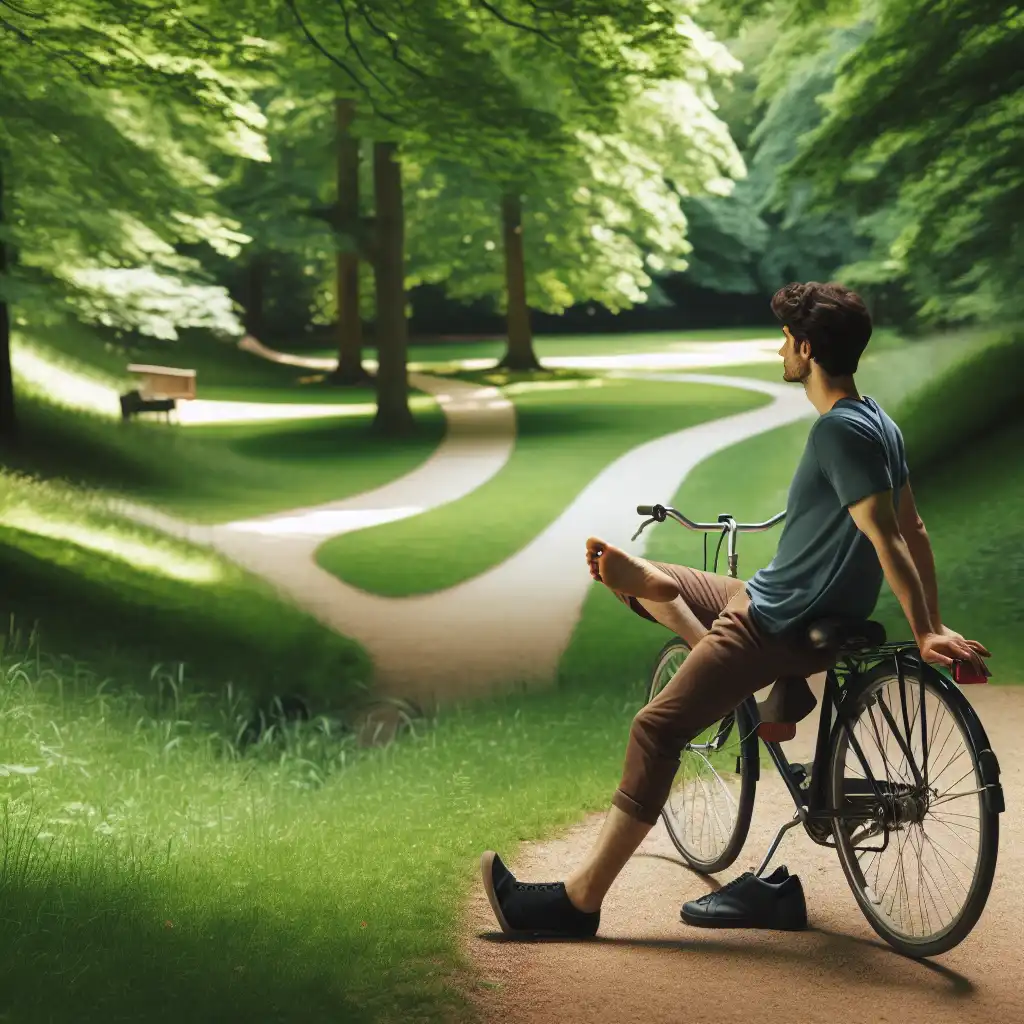
Sitting or standing with one leg on each side of something
He sat astride his bicycle waiting for me.
astride
əˈstraɪd
Cargando…
əˈstraɪd
Sitting or standing with one leg on each side of something
He sat astride his bicycle waiting for me.
əˈstraɪd
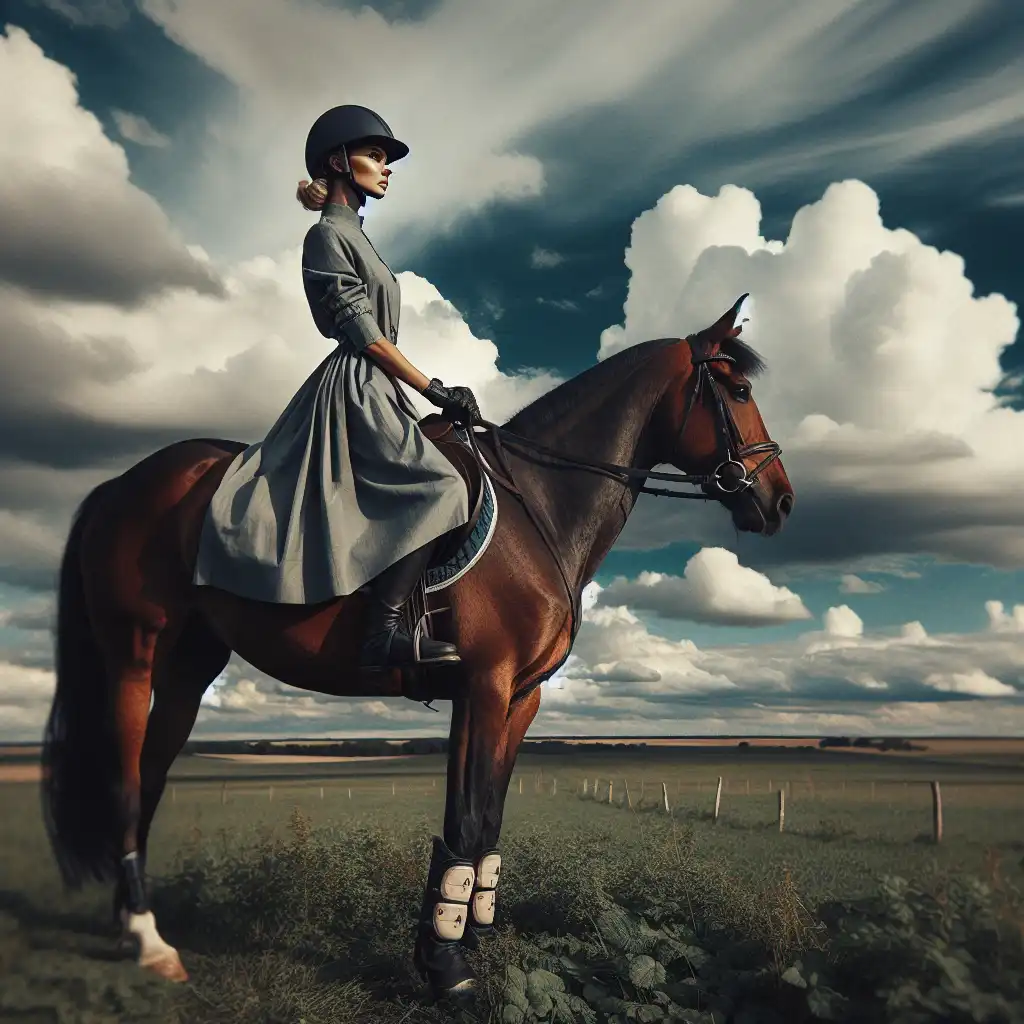
With one leg on each side of something
She jumped astride the horse and rode off.
əˈstraɪd
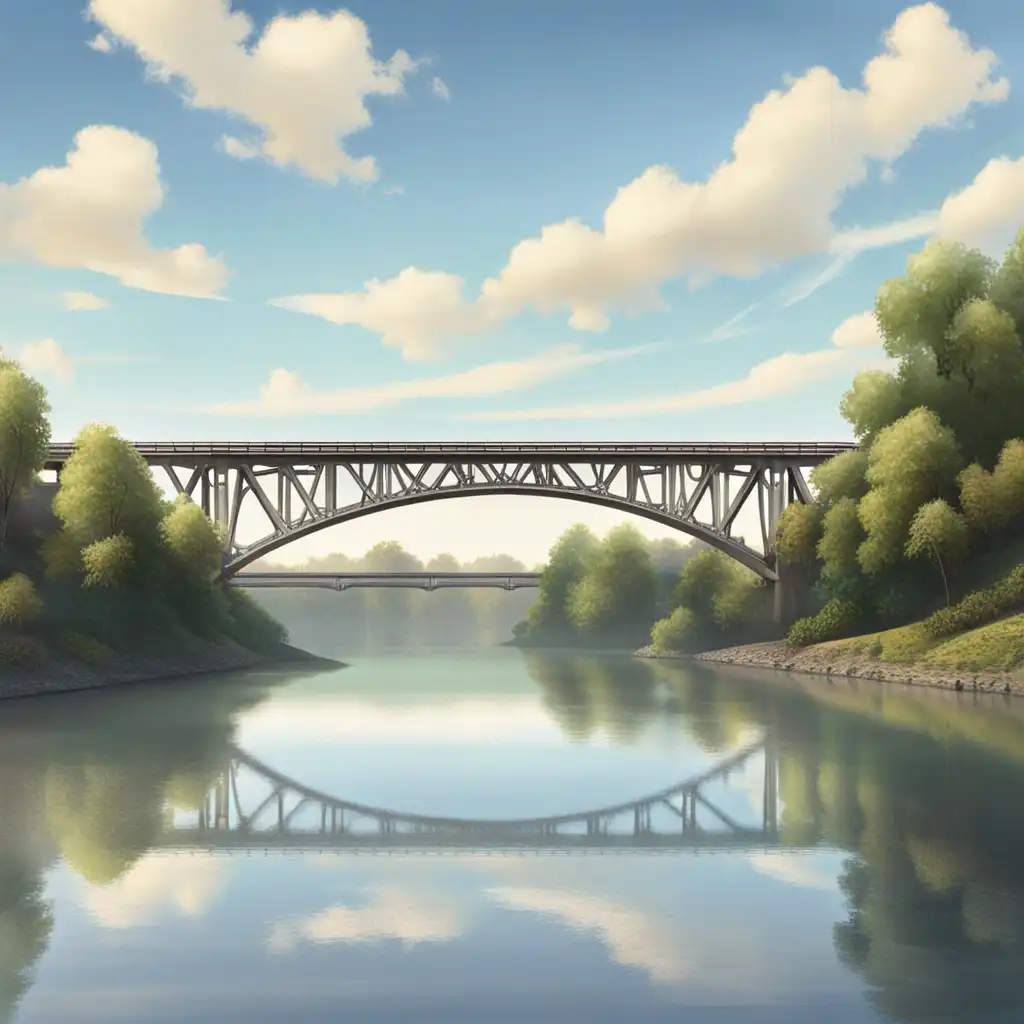
Spanning or extending across; from one side to the other
The bridge sits astride the river.
No se pudo cargar el audio. Inténtalo de nuevo más tarde.
The word 'astride' means "with one leg on each side of something". It is usually used to describe how someone is sitting or standing on a horse, a bike or anything that has two sides to it. So, for example, you might say "She was sitting astride her horse" or "He stood astride his bike". It gives the image of balance and control over the object they are astride.
However, astride is used more generally to describe any position in which a person or object is straddling something, whereas bestride specifically implies a position of dominance or control.
Abrir palabra: Bestride →Mount means to get on top of something, usually an animal or a bike. For example, 'I am going to mount my horse and go for a ride'.
Mount is applicable when you're getting on top of something, and astride is applicable when you're sitting on something with your legs on either side.
Abrir palabra: Mount →Astride means to have one leg on each side of something, like riding a horse or a bicycle. Override means to take control and go against something that was already decided or established.
For example, a person can be astride a horse while riding it, and a manager can override an employee's decision.
Abrir palabra: Override →Perch means to sit or rest on something, usually a narrow, elevated surface like a branch or a ledge. It suggests a temporary or precarious position.
Astride describes a more active or stable position, while perch describes a more passive or unstable position.
Abrir palabra: Perch →Both astride and ride generally refer to a person sitting on an animal or vehicle and moving forward.
However, astride specifically means sitting with one leg on either side of the object being ridden, while ride can refer to sitting in any way on the object (such as sitting side-saddle, or sitting in a seat).
Astride is generally used in situations where the person needs to have a stronger and more stable position while riding, such as riding a horse or a bike.
Ride is more general and can be used in any situation where someone is sitting on something and moving forward, such as riding a bus or a rollercoaster.
Abrir palabra: Ride →"New Colossus" by Emma...
Ver en YouTube ↗I sit astride life like a bad rider on a horse. I only owe it to the horse's good nature that I am not thrown off at this very moment.
How the military fights...
Ver en YouTube ↗They give birth astride of a grave, the light gleams an instant, then it's night once more.
Ants VS Parent Bug %\PIPE%...
Ver en YouTube ↗Honesty is never seen sitting astride the fence.
But there's a little guy who sits astride my brain with a whip, and if I'm away from the machine for more than a couple of hours during the day, this little guy's lashing away.
Six decades ago, as Mao's Communists seized power, the question in Washington was, 'Who lost China?' Now, as his capitalist descendants stand astride the world stage and Washington worries about decline, it seems to be, 'Who lost America?
When President Teddy Roosevelt posed for the cameras astride a massive steam shovel during construction of the Panama Canal in 1906, it was more than a simple photo op. Though the scene was clearly staged, it symbolized a crucial moment in American history.
Iran is a country of 80 million people, educated and dynamic. It sits astride a crucial part of the world. It cannot be sanctioned and pressed down forever. It is the last great civilization to sit outside the global order.
Companions are we, enlivened by a mighty gallop quickly sliding a harsh straw basket of sea foam gathered astride the tide.
Children hop around Phylakopi on sea-polished pebbles the size of bean bags and bask themselves, alongside the lizards, astride the sturdily built walls of Iron Age homes.