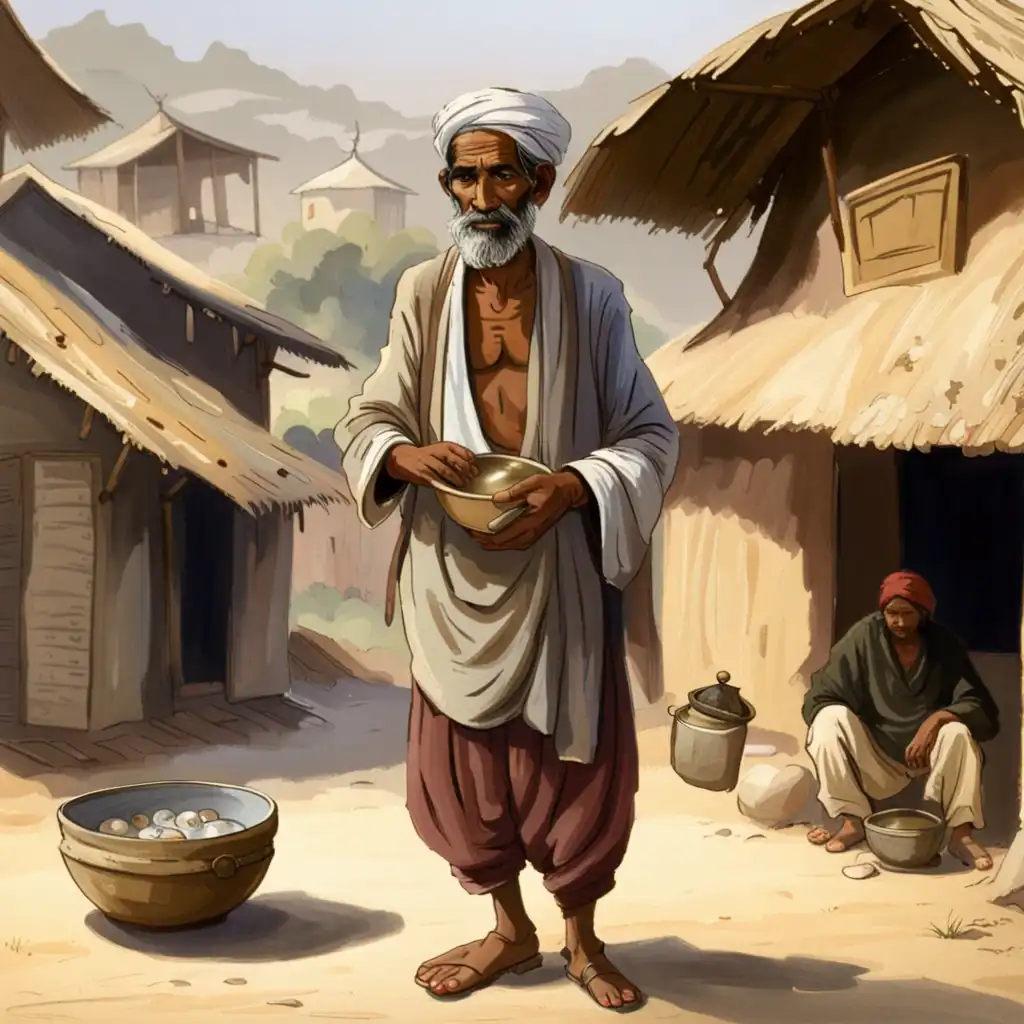
fakir
noun fakir
fəˈkɪr
A Muslim or Hindu religious person who lives a life of poverty and is dependent on charity.
The fakir travelled from village to village, seeking alms.
fakir
fəˈkɪr
Đang tải…
fəˈkɪr
A Muslim or Hindu religious person who lives a life of poverty and is dependent on charity.
The fakir travelled from village to village, seeking alms.

fəˈkɪr
In magic and circus acts, a person who appears to perform supernatural feats such as levitation and piercing their body without injury.
The fakir amazed the crowd by lying on a bed of nails.
Không tải được âm thanh. Vui lòng thử lại sau.
The word 'fakir' is a term used to describe a Muslim or Hindu holy person who has renounced material possessions and lives a simple and austere lifestyle. They are known for their poverty and beg for alms, and are sometimes also known as ascetics or mendicants. The term is commonly used in South Asia and the Middle East. It is important to note that the term should be used with respect and sensitivity, and not in a derogatory or offensive way.
Both ascetic and fakir generally refer to individuals who lead a simple and austere lifestyle, often with a focus on spiritual or religious practices.
An ascetic is someone who intentionally denies themselves worldly pleasures and physical comforts in order to pursue a spiritual goal.
Ascetics can be found in many different religious traditions, including Christianity, Hinduism, and Buddhism.
A fakir is a term typically used to refer to a Muslim ascetic, often one who practices Sufism (a mystical branch of Islam).
In summary, both terms generally refer to individuals who lead austere and often spiritually-focused lives, but ascetic is a more general term that can be applied to practitioners of many different religions, while fakir specifically refers to Muslim ascetics who specialize in Sufi practices.
Mở từ: Ascetic →Dervish refers to a member of a Muslim fraternity, known for their ecstatic dancing and devotion to God. They are typically found in Sufi Islam and are known for their religious practices.
Dervish refers more to a religious order, while fakir refers more to an individual's lifestyle.
Mở từ: Dervish →Fakir refers to a Muslim holy man who practices asceticism, or extreme self-denial, as a form of devotion to God. Guru refers to a spiritual teacher or guide in the Hindu or Sikh tradition.
Fakirs are more focused on personal spiritual practice and are often associated with Islamic mysticism, while Gurus are more focused on teaching and instructing others on spiritual practices and are associated with Hindu and Sikh traditions.
A fakir may be looked upon as a holy person who has given up worldly pleasures to focus on their relationship with God, while a guru may be someone who can serve as a teacher or guide for others on their spiritual journey.
Mở từ: Guru →A hermit is a person who lives in solitude away from society. They may choose to do this for religious or philosophical reasons, or simply to find peace and quiet.
A fakir is focused on spiritual pursuits and may live among other people, while a hermit is focused on solitude and may live far away from others.
Mở từ: Hermit →The words fakir and mendicant both refer to people who rely on begging as a means of survival, but fakir specifically refers to a Muslim ascetic who practices extreme self-discipline and austere living in order to achieve spiritual enlightenment, while mendicant is a more general term for any beggar.
Fakir is mainly applicable in Islamic contexts, while mendicant can be used in any cultural or religious context.
Mở từ: Mendicant →A mystic is a more general term that can refer to someone from any religious or spiritual tradition who seeks an intimate, personal experience of union with the divine or the ultimate reality.
Mystics may use various tools, such as meditation, prayer, or ecstatic dance, to achieve this state, and may or may not live a life of asceticism.
In summary, while both fakirs and mystics are seeking higher states of spiritual consciousness, a fakir is specifically a type of Muslim or Hindu ascetic who practices rigorous self-discipline, while a mystic is a more general term for someone who seeks personal union with the divine or ultimate reality.
Mở từ: Mystic →Sage generally refers to a wise person who is respected for their knowledge and experience.
Sages can be of any religion or tradition and are often sought out for guidance and advice.
Both these terms are applicable in different contexts. Fakir is applicable when discussing religious asceticism while sage is applicable for discussing wise people who are respected in their community.
Mở từ: Sage →Yogi is a term used to refer to a practitioner of yoga in Hinduism, Buddhism, and Jainism. Yogis are known for their physical and mental practices aimed at achieving harmony and enlightenment.
While both terms refer to individuals who practice self-discipline and spiritual practices, fakirs are generally associated with Islam, whereas yogis are associated with Eastern religions.
Mở từ: Yogi →