swamp
noun swamp
swɑːmp
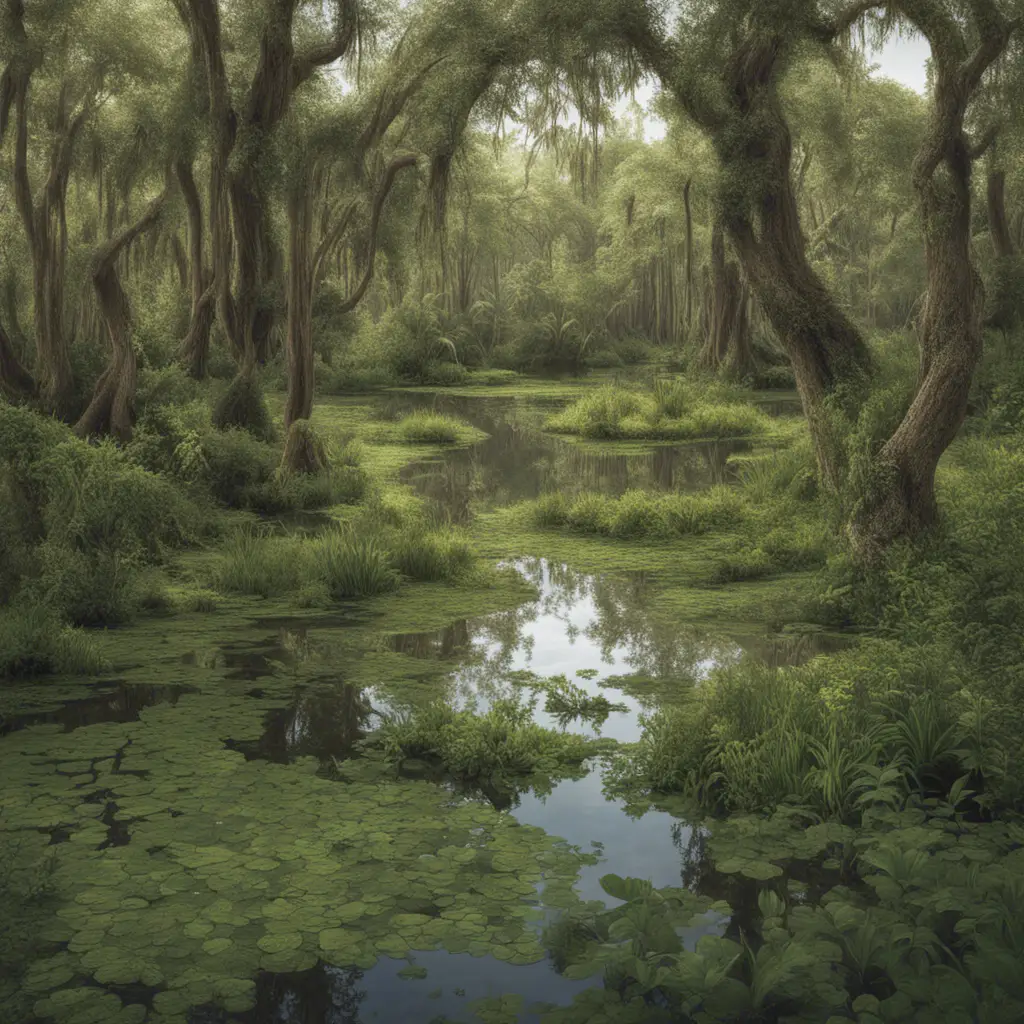
A wetland with many trees and plants growing
The children explored the swamp, excited by the diverse wildlife it held.
swamp
swɑːmp
Chargement…
swɑːmp
A wetland with many trees and plants growing
The children explored the swamp, excited by the diverse wildlife it held.

swɑːmp
A difficult or complicated situation
She was swamped with work and did not know how to manage everything.
swɑːmp
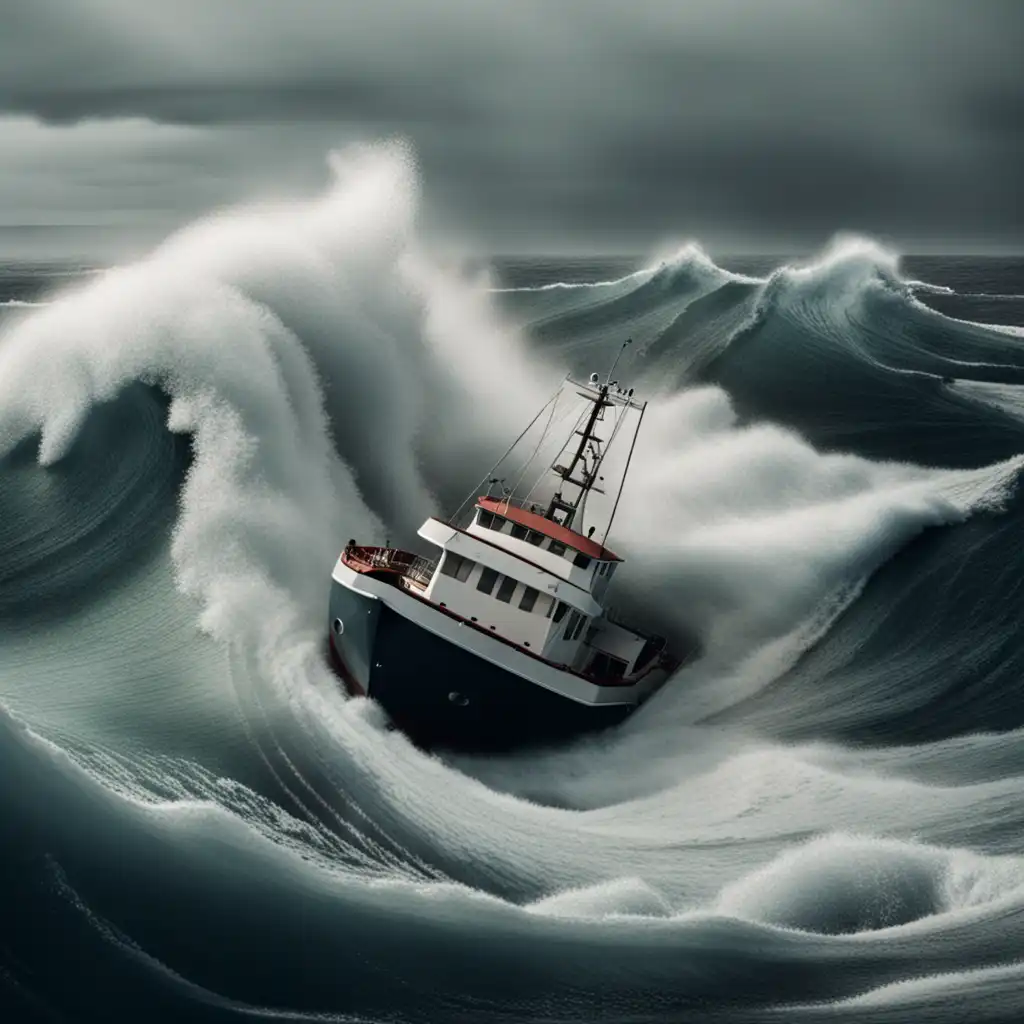
To cover with water and cause to sink
The boat was swamped by the huge waves.

swɑːmp
To overwhelm with an excessive amount of something
He was swamped with phone calls after the news article was published.
Impossible de charger l’audio. Réessayez plus tard.
The word "swamp" is used to describe an area of land that is constantly flooded with water. It is often covered in thick vegetation and can be home to a variety of wildlife. The word can be used in a variety of contexts, such as describing a natural park or wildlife sanctuary, as well as in more negative contexts, such as describing a situation where someone is overwhelmed or bogged down by too much work.
A bog and a swamp are both wetland areas, but there are some differences.
A bog is a type of wetland that has very acidic water and a thick layer of dead plant material, called peat.
The water in a bog is stagnant, meaning it does not move or flow. Bogs are usually found in areas where there is not much rainfall, and they often have plants like mosses and small shrubs.
A bog is a stagnant wetland with acidic water and peat, while a swamp is a flowing wetland with trees and a variety of animals.
Ouvrir le mot: Bog →A fen is a type of wetland that is usually covered in grass and fed by groundwater. Fens are usually quite stable and do not have a lot of standing water.
The main difference between the two is that fens are usually drier and more stable, while swamps are wetter and have more standing water.
Fens are often found in areas where there is a lot of groundwater that seeps up to the surface, while swamps are usually found in areas that are flood-prone or have high levels of precipitation.
Ouvrir le mot: Fen →A marsh is a wetland area that is typically characterized by grasses and other reeds.
Marshes are often home to a variety of wildlife, including birds, amphibians, and insects.
The main difference between marshes and swamps lies in their vegetation. Marshes are dominated by grasses and reeds, while swamps are dominated by trees and shrubs.
Additionally, marshes tend to have more open water areas, while swamps tend to be more wooded.
Ouvrir le mot: Marsh →Mire and swamp both refer to wet and muddy areas, but there is a subtle difference between the two.
A mire is a soft, wet area of land that is difficult or impossible to walk on, and can be found in low-lying areas near rivers or lakes.
So, while a mire may be a small, isolated patch of wet land, a swamp is a larger, more complex ecosystem in its own right. Hope this helps!
Ouvrir le mot: Mire →Morass is a term used to describe a tricky or complex situation that is difficult to escape from.
A morass relates more to a complex situation that is hard to navigate or come out of, while a swamp is a specific type of environment or habitat.
Ouvrir le mot: Morass →Quagmire refers to a particularly difficult situation, often with no clear solution.
In basic terms, a quagmire is a problematic situation, while a swamp is a type of environment.
Ouvrir le mot: Quagmire →A slough is a wetland area that is characterized by shallow water and muck. Sloughs tend to be in flatter areas than swamps and often have lower water levels.
They are usually found in the prairies, near rivers or marshes, and in coastal areas. Sloughs have very soft, muddy bottom surfaces and are usually low in organic matter.
The main difference between a swamp and a slough is the depth of the water and the specific types of vegetation that grow in each area.
Swamps are typically deeper and are characterized by trees, bushes, and tall grass, while sloughs tend to be shallower and are characterized by muck, mud, and low-growing vegetation.
Ouvrir le mot: Slough →A swamp is a type of wetland that is characterized by having an abundance of trees and woody plants.
A wetland is a broader term that includes various types of ecosystems that are characterized by the presence of water for a significant portion of the year.
Wetlands can be found in both warm and cold regions and include marshes, bogs, and swamps. They are home to a wide range of plant and animal species and play an essential role in maintaining the water cycle and supporting biodiversity.
In summary, while swamps are a type of wetland that refers to a specific ecosystem with trees and woody plants, wetlands are a larger category that includes various types of habitats that are characterized by water.
Ouvrir le mot: Wetland →Deeper into the swamp lies the reason for all this fishing.
Voir sur YouTube ↗Towns oftener swamp one than carry one out onto the big ocean of life.
Some people just want to watch the world burn, and bats all over the world are threatened by damage to the places that we call home, including mangrove swamps, old-growth forests, and of course bat caves.
Voir sur YouTube ↗Even if you're a seasoned professional multi-tasker, your body, mind, emotional life, and growth potential can get a blow from over-committing. Take a look at what's on your plate if you're swamped, and you can surely find some space for yourself even when you feel trapped.
to bear spores that foreshadowed seeds. Life flourished in swamps.
Voir sur YouTube ↗Some of the natural world is appealing, some of it is terrifying, and some of it grosses us out. Modern people don't want to be dropped naked into a swamp. We want to tour Yosemite with our water bottles and G.P.S. devices. The natural world is a source of happiness and fulfillment, but only when prescribed in the right doses.
Let's get into this. Now this is mangrove swamp. This is the start of it. It's actually a pretty amazing ecosystem, because it's just so full of incredible diverse wildlife.
Voir sur YouTube ↗Donald Trump ran for president on a promise to 'drain the swamp.' I agreed with that particular statement. Unfortunately, he didn't mean what he said.
haven't been so lucky here a swamp pink white milkweed and support shenton all locally extinct all of them gone from New York City so why does urban biodiversity matter I mean aren't cities
Voir sur YouTube ↗To protect America's security, we are going to have to pull America's military out of the swamp of Washington politics.
mangrove tightropes of the swamp so what makes trinidad a haven for all these mainland castaways the answer lies deep in the island's
Voir sur YouTube ↗We must continue to educate the masses and encourage savings in Bitcoin to truly drain the kleptocratic swamp ruling our financial system.
and with most of the remainder living close enough to lakes rivers or swamps, all of which ultimately lead to the ocean, virtually every single person on the planet has the opportunity to influence the general health and nature of the world ocean. Evidence of human influence is seen in every part of the ocean,
Voir sur YouTube ↗It makes sense that a witch lives in a swamp.
the swamp itself is steeped in mystery holding a wildness that is so increasingly rare in modern life there's this very like ghost-like thing dancing
Voir sur YouTube ↗Most successful politicians don't let the job swamp their lives.
live your life naked the only way to do it is to live a life apart in order to spend their lives without clothes nudists must form their own communities and keep them well out of sight we have 200 acres with swamps forests
Voir sur YouTube ↗The swamp is a business model. It's a successful business model.
that are helping to produce abusive men at pandemic rates? Because this isn't about individual perpetrators. That's a naive way to understanding what is a much deeper and more systematic social problem. The perpetrators aren't these monsters who crawl out of the swamp
Voir sur YouTube ↗I want to help Donald Trump drain the swamp back in Washington.