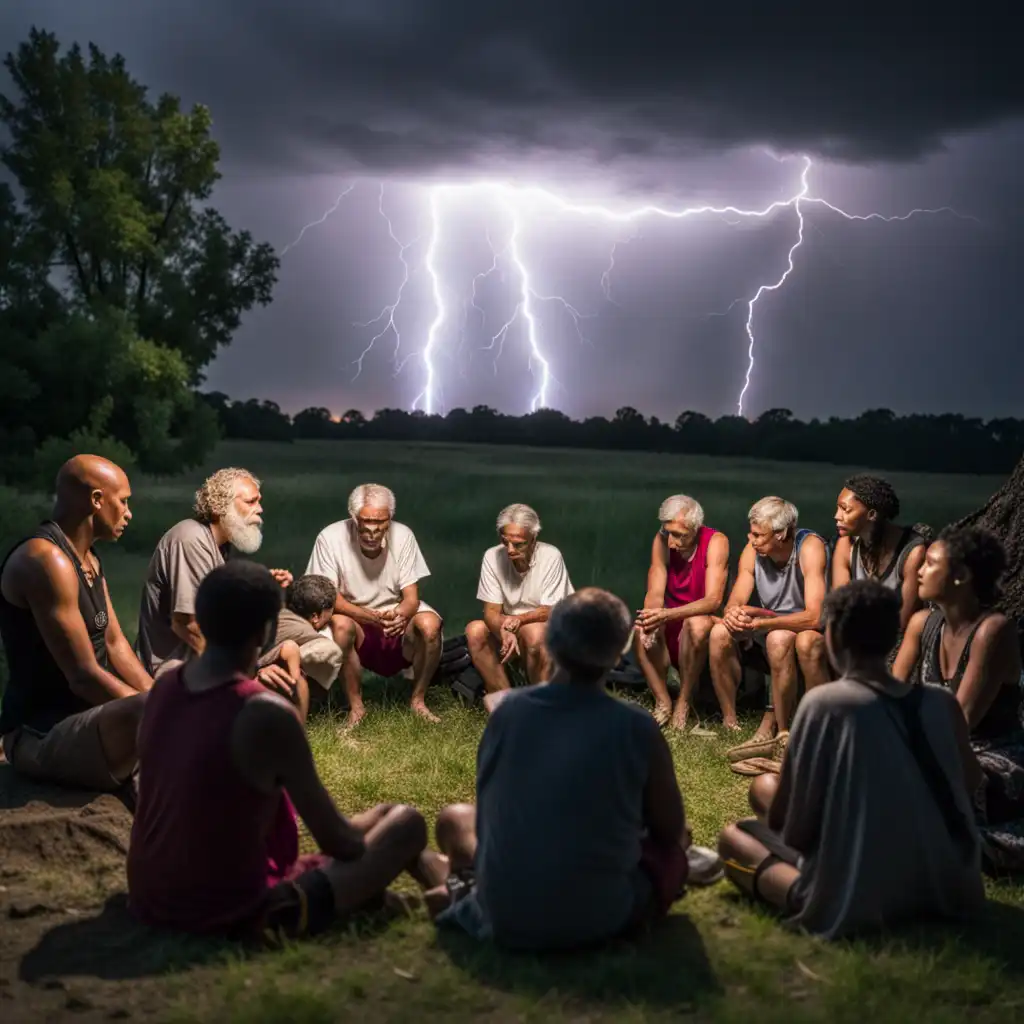
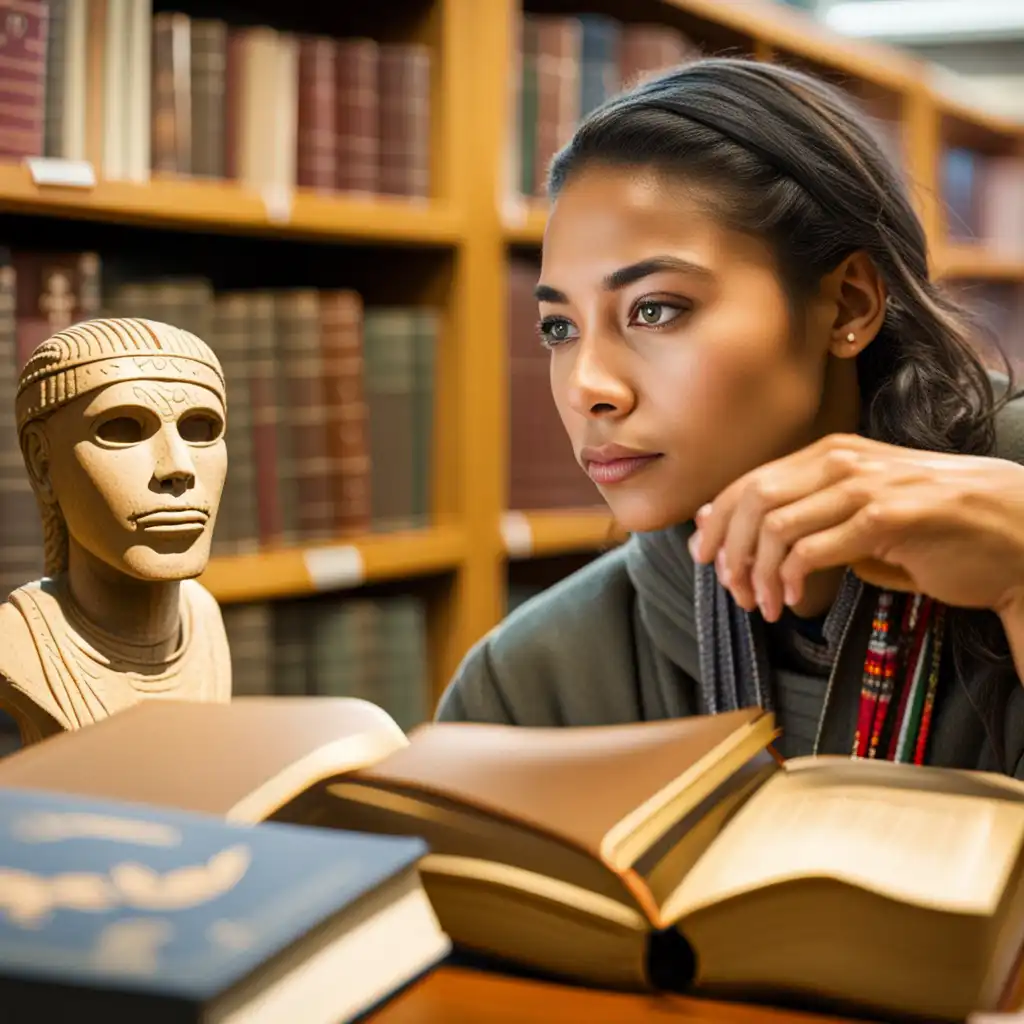
Folklore refers to the traditional stories, beliefs, customs, and practices of a particular culture or community. It can include things like fairy tales, folk songs, myths, legends, and superstitions that have been passed down orally from one generation to the next. Folklore often reflects the values, histories, and identities of a group of people and can be used to gain insight into their way of life. Some examples of folklore might include the Greek myth of the Minotaur, the African folktale of Anansi the spider, or the Scottish legend of the Loch Ness Monster. Folklore can be a fun and interesting way to learn about different cultures and the people who make them unique.
Custom refers to a practice or behavior that is passed down from generation to generation within a certain group or society.
Custom refers to a practice or behavior while folklore refers to traditional stories and beliefs. Custom is applicable in the context of cultural practices and traditions, while folklore is applicable in the context of storytelling and cultural beliefs.
Legend refers to a narrative, often about a particular hero or event, that may or may not be historically true.
Legends often contain supernatural or mythical elements and are sometimes used to explain natural phenomena. Legends are applicable across cultures.
Folklore is the cultural stories, beliefs, and practices of a specific group of people, while legends are specific narratives that may or may not be historically true and often incorporate mythical or supernatural elements.
Mythology refers to a particular set of stories or myths that explain the beliefs and practices of a culture's gods or goddesses.
The myths aim to explain how the world came into being and how humans relate to the gods. An example of mythology is Greek mythology, which includes stories about gods like Zeus, Athena, and Apollo.
Folklore refers to the traditions and stories of a culture or society, while mythology is more specific and focused on the stories and beliefs related to a particular group of gods or goddesses.
A proverb is a short, simple saying that expresses a well-known truth or piece of advice. They are often used to convey wisdom, morals or cultural values.
Folklore is applicable to understanding cultural heritage and traditions, while proverbs are useful in everyday conversation, usually to give advice or express a common truth or a widely accepted rule of conduct.
Superstition refers to beliefs or practices that are based on irrational thoughts, often involving luck or supernatural elements.
Examples of superstitions might include avoiding walking under ladders, knocking on wood for good luck, or believing in the power of amulets or charms.
Folklore is more encompassing, while superstition is a subset of beliefs that often involve chance or the supernatural.
Folklore is a way for a community to express its culture and traditions, while superstitions may be seen as irrational beliefs that are often passed down through generations.
Folklore refers to the stories, beliefs, customs, and practices that are passed down from generation to generation through oral tradition.
Tradition refers to the customs and practices that are passed down from generation to generation within a particular culture, religion, or community.
While both folklore and tradition involve passing down knowledge and practices from one generation to another, folklore tends to focus more on the mythical or supernatural aspects, while tradition is more concerned with the social and cultural practices of a particular community.
that few people believe in or even remember. Knocking on wood is thought to come from the folklore of the ancient Indo-Europeans or possibly people who predated them who believed that trees were home to various spirits. Touching a tree would invoke the protection
their presence here is entwined in folklore they are said to have once been headless fallen from the cut hair of manjushri a religious figure associated with the creation of the valley where
I've loved fairytales, folklore and mythology since I was a small child, and I think it was inevitable that they would influence my style and my development of stories.
A curious thing about running and running injuries is that the running injury is new to our time. If you read folklore and mythology, any kind of myths any kind of tall tales, running is always associated with freedom and vitality and youthfulness and eternal vigor. It's only in our lifetime that running has become associated with fear and pain.
I love studying folklore and legends. The stories that people passed down for a thousand years without any sort of marketing support are obviously saying something appealing about the basic human condition.
wolves has always appeared in folklore fable and even in modern literature and films misunderstanding breeds fear and fear can breed hatred European settlers brought an image of a savage deceitful sinister creature to the new world and
It is important to recognize that folklore is not simply a way of obtaining available date about identity for social scientists; it is actually one of the principal means by which an individual and a group discovers or establishes his or its identity.
I love mythology and folklore, and I respect the time, money, and opportunity that a film gives to an audience. It's a chance to empathize, reflect, and learn, so I really want to understand before I sign onto a project: 'What's the potential of this thing? What are we seeing and learning? What are we empathizing to?
our environmental folklore. It's either the little voice at the back of your head, or it's that gut feeling you get when you've done the right thing, so when you've picked the paper bag or when you've bought a fuel-efficient car. And environmental folklore is a really important thing
Mulan is so important in Chinese folklore - a fearless girl who cared about her family and country so much that she was willing to join the fight and sacrifice herself.
that just a part of their life did did you ever serve it was there ever a point that you explained what they wear or did you kind of tell them that the folklore of of the Northern Lights actually the Sami people have traditionally lots of stories about the Northern Lights
I am basically a folk singer because I'm coming from a part of the earth where folklore means a lot. The Mediterranean is a very old part of the world, and the more a place is old, the more there is folklore.
relationship with with sharks where they're in many ways they you know again will protect some individuals or communities and and attack others and so for example the Hawaiians have one of the most elaborate folklore traditions involving sharks and they have a number
My 'Rot & Ruin' series is a post-apocalyptic adventure for teens. My 'Joe Ledger' novels are science-based action thrillers for adults. My 'Dead of Night' stories are zombie tales for adults; my 'Pine Deep Trilogy' is classic horror for adults, and I've written nonfiction books on topics ranging from martial arts to folklore.
slaves it is a grisly fact that he did this it kind of gives you an image of slavery that we don't think about after his death the realities of Washington's life become obscured by folklore legend
common, and is based mainly in folklore. It's rumored that these so-called earwigs crawl into your ear at night and tunnel into your brain, but this is false. Sure an earwig may on rare occasion,