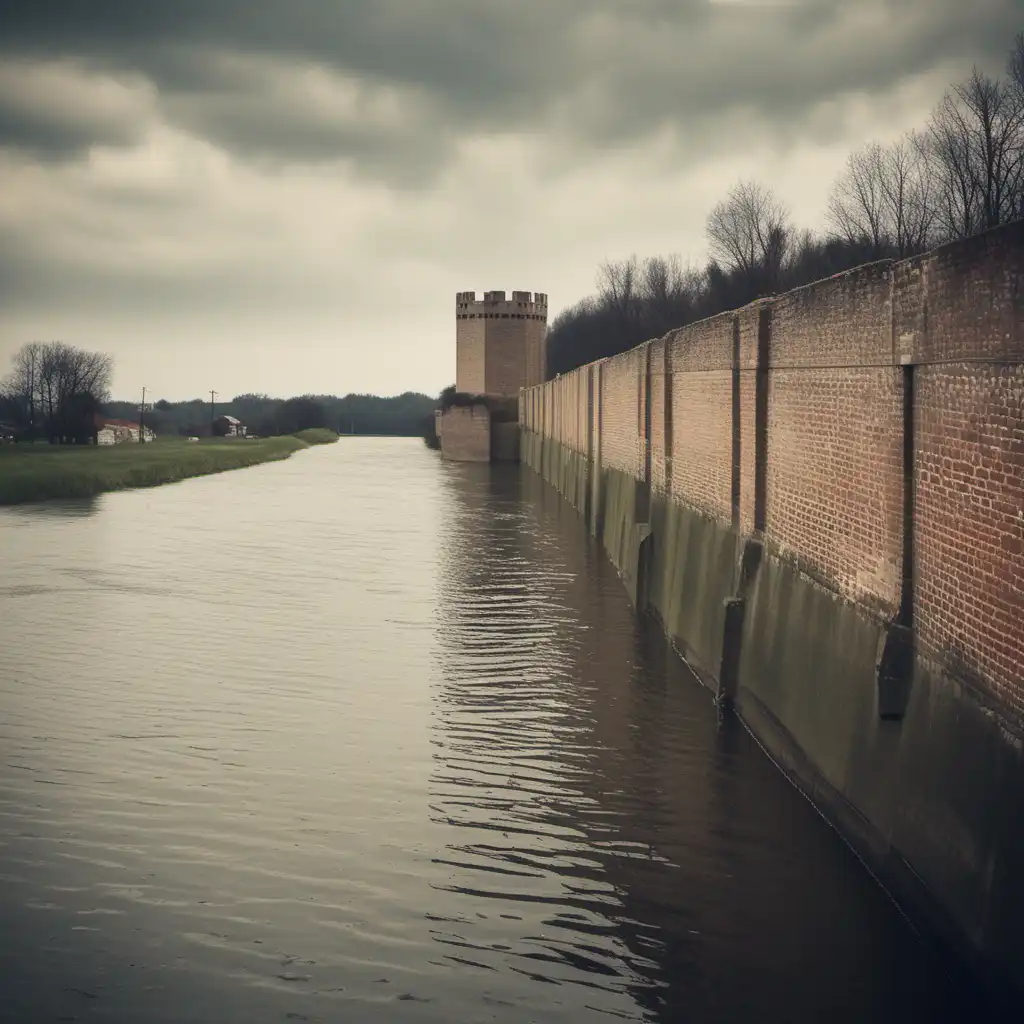
embankment
noun embankment
ɪmˈbæŋkmənt
A wall or barrier built to hold back water or soil
They built an embankment to prevent the river from flooding the town.
embankment
ɪmˈbæŋkmənt
加载中…
ɪmˈbæŋkmənt
A wall or barrier built to hold back water or soil
They built an embankment to prevent the river from flooding the town.
ɪmˈbæŋkmənt
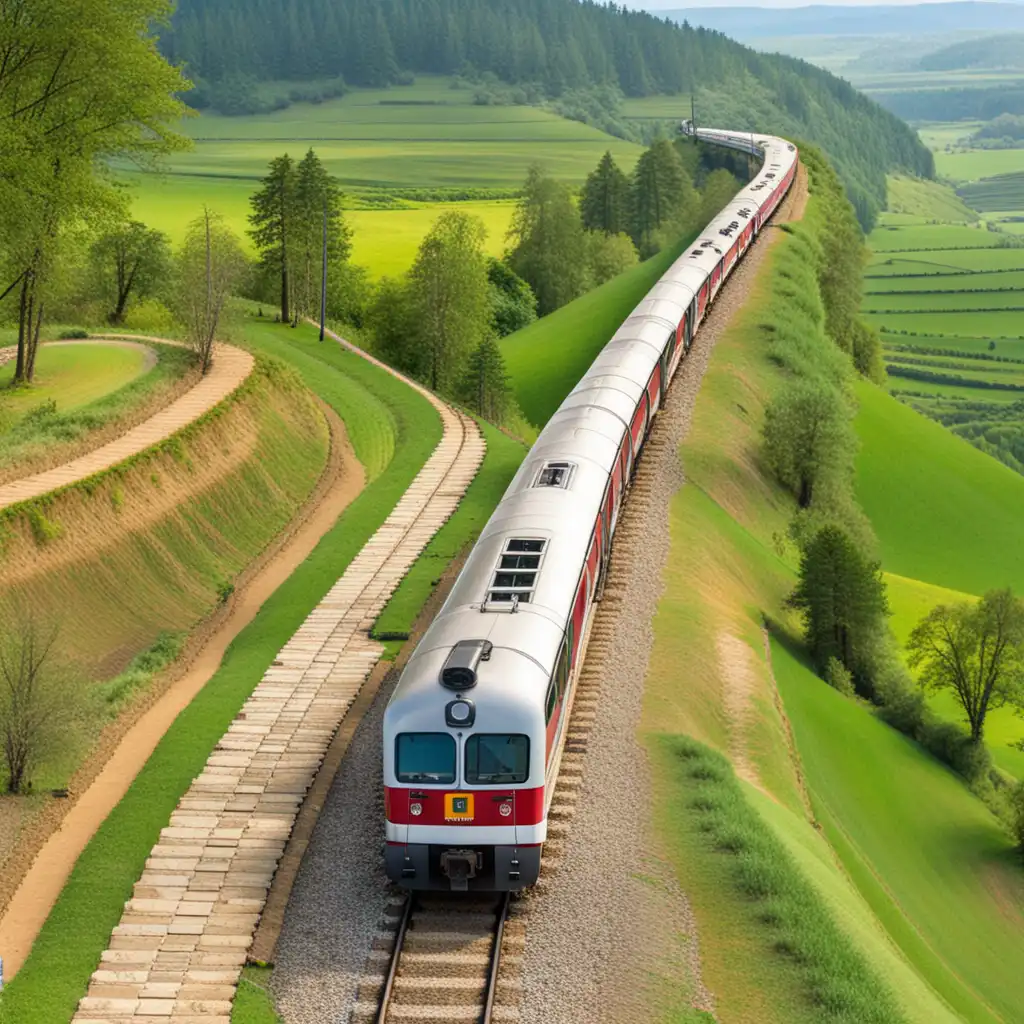
A raised area or surface created by putting soil or stones in a place
The train travels on an embankment which gives passengers a panoramic view of the countryside.

ɪmˈbæŋkmənt
A slope of earth, especially one by the side of a road or railway
The car skidded off the road and rolled down the embankment.
音频无法加载,请稍后再试。
An embankment is a man-made structure or a natural ridge that is built or formed at the side of a river, canal or road to prevent flooding or to hold back water. It is like a wall-like structure that is usually made of soil, rocks or concrete. Embankments can also be used to create higher ground for railways, highways or buildings. For example, when you walk or drive on a road that is elevated above the level of the surrounding ground, you might be crossing an embankment.
A barrage is a man-made structure that is built across a river or a stream to control the flow of water. It is constructed with the intention of impounding a river or a stream to store water for irrigation, hydropower generation or control of floods.
The main difference between a barrage and an embankment is that a barrage is a structure built across a river to control its flow, while an embankment is a structure built along the riverbanks to prevent water from over-flowing.
打开单词: Barrage →A bulwark is a wall or a fortification that is built to protect against an attack.
A bulwark can be used to protect a city, a building or a group of people.
In essence, a bulwark is used for protection against physical attacks while an embankment is used for containing water.
打开单词: Bulwark →A causeway is a raised road or path that is built over water or low-lying land. It usually has sides or walls to hold back the water or land.
Causeways are typically built in areas where there is shallow water, and they are used to connect two places that would otherwise be difficult to reach.
They can also be used to form a raised path or road, but they do not require sides or walls like a causeway.
A causeway is a raised path over water or low-lying land with walls or sides, while an embankment is a raised area of land that is built up as a barrier or to prevent flooding along bodies of water.
打开单词: Causeway →A dam is a barrier built across a river or stream to hold back its water and creating a stored reservoir behind it. Dams are typically larger and taller structures than embankments and often have gates or spillways that allow water to be released for various purposes such as hydroelectric power, irrigation, or flood control.
Embankments are usually smaller and lower than dams and do not have mechanisms for releasing water. Instead, they rely on their height and slope to redirect and control the flow of water, protecting the surrounding area from flooding.
A dam is used to store large amounts of water and release it for specific purposes, while an embankment is used to redirect water and prevent flooding.
打开单词: Dam →Defence refers to an act of protecting something or someone from harm or danger.
It can also refer to the military or strategic measures taken to protect a country from attack. For example, a country might have a defence system that includes armed forces, radar and missile systems, and border control measures.
Defence is used in the context of protection from harm or danger, while embankment is used in the context of preventing flooding or erosion.
打开单词: Defence →Dyke refers to a wall made of earth or stone that is used to hold back water like a dam.
Dyke usually describes a wall built to hold back water, while embankment can refer to any raised wall or ridge built to support or protect something.
打开单词: Dyke →A levee is a type of embankment specifically designed to prevent flooding by containing the water within the banks of a river or other waterway.
Both embankments and levees serve similar functions, but levees are typically more focused on flood control and are often used in areas where flooding is a frequent problem.
打开单词: Levee →A ridge is a natural, narrow elevation of land that runs along a mountain or hill. It is formed by the movement of tectonic plates, glacial activities or erosion.
Ridges are commonly used as hiking or climbing routes, and can provide beautiful panoramic views.
Embankment is a man-made structure built to control water or soil erosion while ridge is a natural narrow elevation of land found along mountain or hills.
打开单词: Ridge →Where will you be able...
在 YouTube 上观看 ↗There is nothing in machinery, there is nothing in embankments and railways and iron bridges and engineering devices to oblige them to be ugly. Ugliness is the measure of imperfection.
Bill T. Jones %\PIPE% The...
在 YouTube 上观看 ↗I'm a Londoner. Embankment. Big Ben. Cab drivers.
Safari Live - Day 300 %\PIPE%...
在 YouTube 上观看 ↗As I was coming out of the closet, our car was hurtling over an embankment.
Building a New Home %\PIPE%...
在 YouTube 上观看 ↗Nothing could be more dangerous than following the popular maxim whereby it is the spirit of the law that must be consulted. This is an embankment that, once broken, gives way to a torrent of opinions.
My photographs bear...
在 YouTube 上观看 ↗How the world's first...
在 YouTube 上观看 ↗John Hockenberry: We are...
在 YouTube 上观看 ↗Stunning Footage of Ants...
在 YouTube 上观看 ↗Mudslide Mayhem %\PIPE%...
在 YouTube 上观看 ↗Patrick Awuah: Educating...
在 YouTube 上观看 ↗