
expletive
noun expletive
ˈeksplətɪv
A swear word or a phrase that is used to express anger or surprise.
He let out an expletive when he hit his thumb with the hammer.
expletive
ˈeksplətɪv
Đang tải…
ˈeksplətɪv
A swear word or a phrase that is used to express anger or surprise.
He let out an expletive when he hit his thumb with the hammer.
ˈeksplətɪv
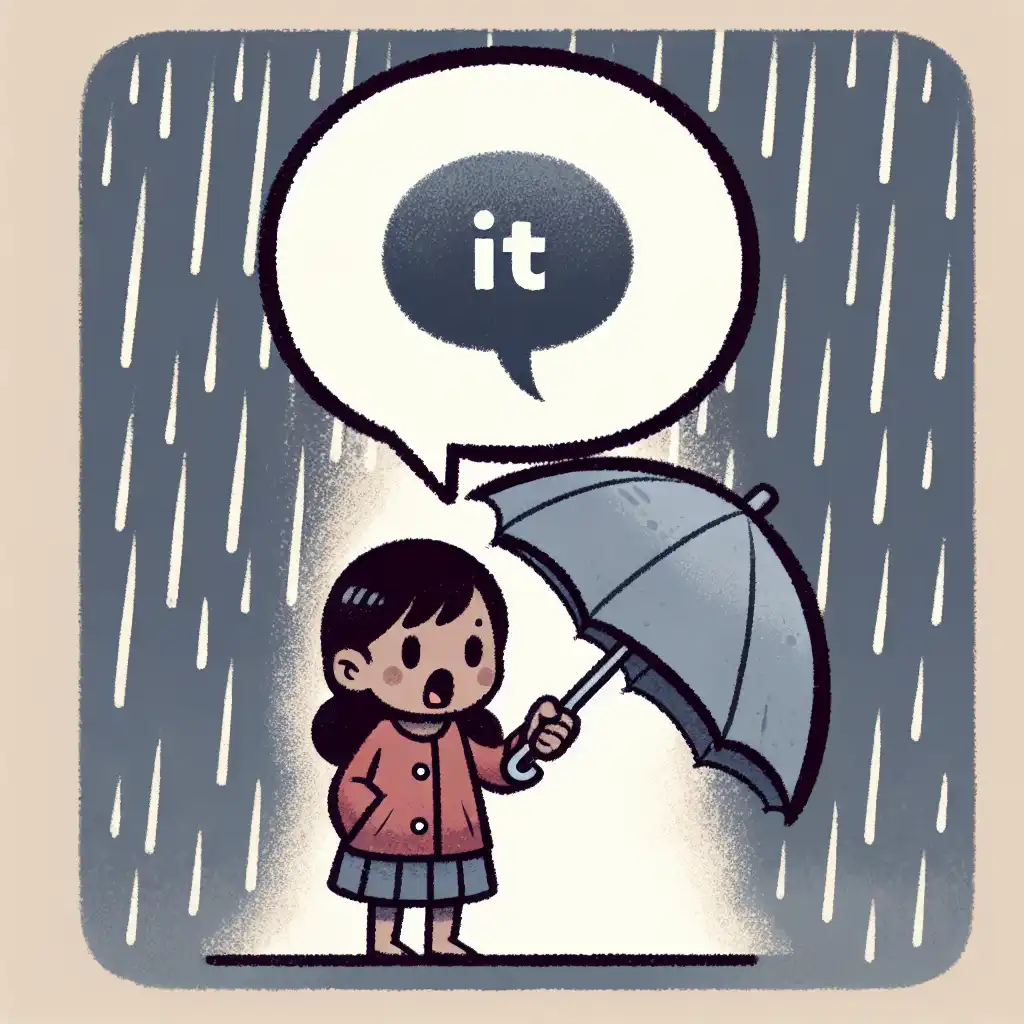
Referring to a word or a phrase that does not add any real meaning but is added to fill gaps or follow formal rules.
In the sentence 'It is raining', 'it' is an expletive subject.
Không tải được âm thanh. Vui lòng thử lại sau.
The word 'expletive' refers to a swear word, curse word, or obscenity that people use when they feel angry, emotional or frustrated. It is a word that is usually considered offensive or impolite in certain settings like in formal or polite conversations, workplaces, or public spaces. An English learner should avoid using expletives in any setting other than with friends or in a casual setting where it is acceptable. It is essential to understand that using such words can come across as rude or unprofessional and can damage your reputation.
Blasphemy is when someone says or does something that insults or disrespects a religion or religious figure.
It is considered rude or impolite, but not necessarily disrespectful to religion. Both blasphemy and expletive can be punishable or offensive to some people, but blasphemy is more specific to religious beliefs.
Mở từ: Blasphemy →A curse is a statement or wish that is intended to harm someone or bring bad luck to them.
It is typically considered a verbal or written expression of anger or frustration with someone. For example, "I hope you fail your exam" is a curse.
In short, curses are intended to harm or bring bad luck, while expletives are used to express strong emotion or emphasis.
Curses are generally considered rude and impolite, while expletives can be inappropriate depending on the context or company.
Mở từ: Curse →An epithet is a descriptive word or phrase that is used to emphasize a characteristic or quality of a person or thing.
For example, "the swift-footed Achilles" is an epithet that emphasizes Achilles' speed.
The main difference is that an epithet is a descriptive word or phrase used to emphasize a characteristic, while an expletive is a strong word or phrase used to express emotion.
Mở từ: Epithet →An imprecation is also a word or phrase used to express strong emotions, but it is specifically a curse or a wish for harm to come to someone.
Examples of imprecations are when someone says, "I hope you die!" or "May God strike you down!"
Usually, an expletive is used in a casual setting or among friends, while an imprecation is used in anger or is directed towards someone specific.
Mở từ: Imprecation →An oath is a formal and solemn promise or declaration often made with reference to God or a religious figure.
It is usually used in a formal or legal setting, such as in a court of law. An example of an oath is "I swear to tell the truth, the whole truth, and nothing but the truth".
An expletive is a curse word used to express negative feelings, while an oath is a formal promise or declaration made in a serious setting.
Mở từ: Oath →An expletive is an emotionally charged word used to express strong feelings, such as surprise, anger or frustration. Obscenity refers to language that is offensive or sexually explicit.
Obscenities are generally considered inappropriate and offensive in all contexts, and their use may be considered rude, vulgar or even illegal in some circumstances.
In summary, expletives are emotional words used to add emphasis, while obscenities are offensive or sexually explicit words that are generally inappropriate in all contexts.
Mở từ: Obscenity →An expletive is a word or phrase used to express strong emotion, while profanity refers to language that is considered vulgar or offensive.
Expletives can be used in a variety of situations, such as expressing surprise or frustration, while profanity is typically used to insult or offend someone.
For example, if you hit your thumb with a hammer, you might exclaim "Oh, darn!" as an expletive. If someone insults you, you might respond with a profanity like "F*ck you.".
Both expletives and profanity can be considered rude or inappropriate in certain contexts, and it's important to be mindful of the language you use when communicating with others.
Mở từ: Profanity →Vulgarity refers to language or behavior that is considered crude, offensive or lacking in good taste. Vulgar language is considered disrespectful and impolite.
Mở từ: Vulgarity →How the US should use...
Xem trên YouTube ↗I drive relatively fast - within the remits of the law, obviously - but I struggle with people who do stupid things on the road. I have a massive urge to shout expletives at them.
Medicine's future?...
Xem trên YouTube ↗Safari Live - Day 230 %\PIPE%...
Xem trên YouTube ↗