tension
noun tension
ˈtenʃn
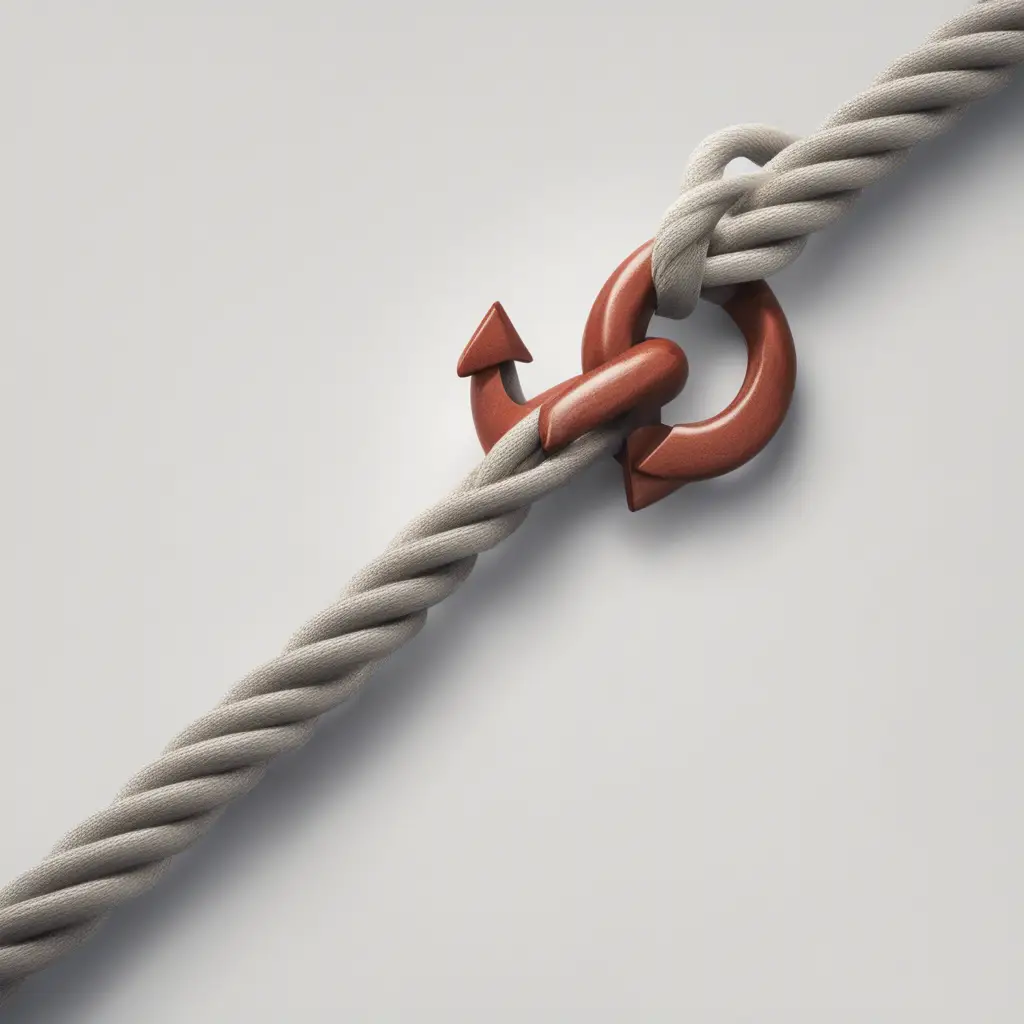
The state of being stretched tight.
There was a tension in the rope, as it was pulled tight between the two posts.
tension
ˈtenʃn
Loading…
ˈtenʃn
The state of being stretched tight.
There was a tension in the rope, as it was pulled tight between the two posts.

ˈtenʃn
Mental or emotional strain.
There was a tension in the room as everyone waited for the results.

ˈtenʃn
A relationship between ideas or qualities with conflicting demands or effects.
The tension between freedom and security is a common issue in modern society.

ˈtenʃn
A strained political or social state or a relationship.
Tension is building between the two countries.
ˈtenʃn
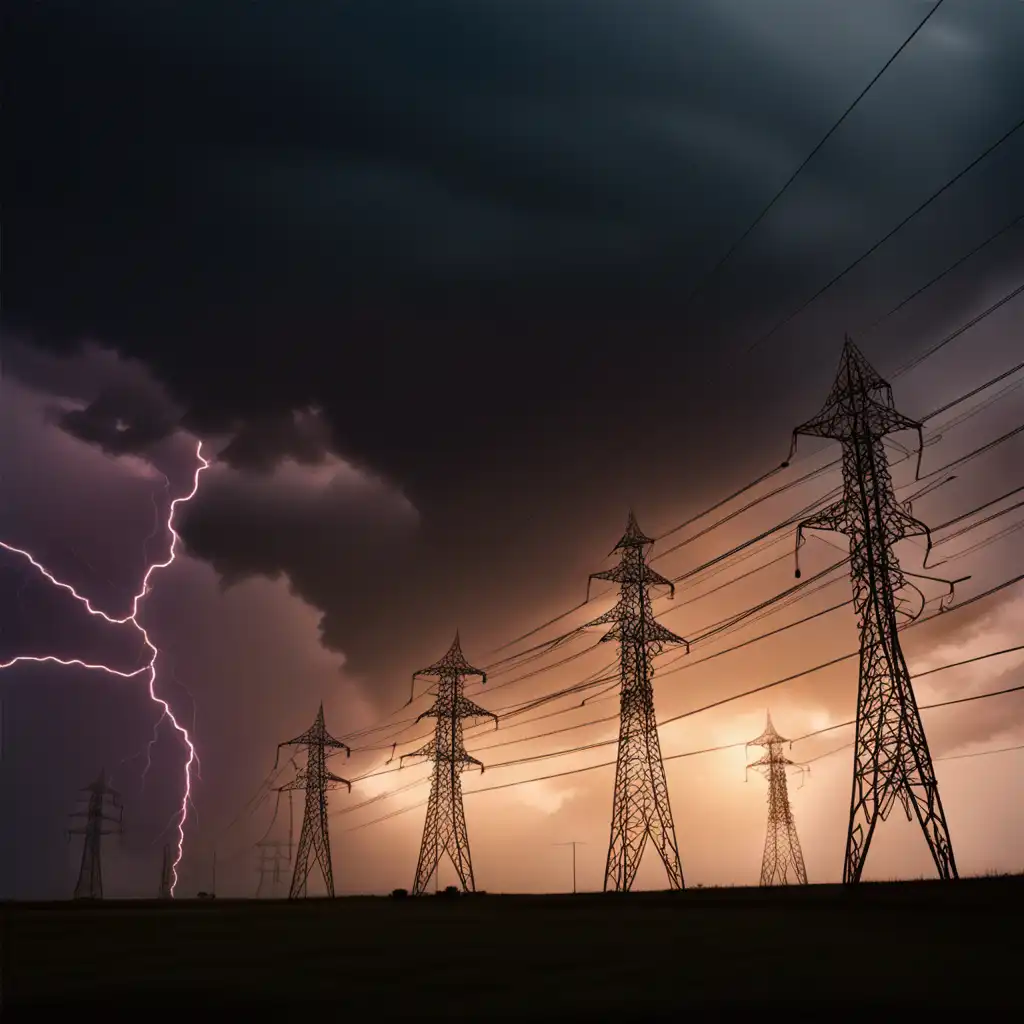
A measure of a voltage in a circuit or wiring system.
There was a high tension in the power lines.
Audio could not be loaded. Please try again later.
"Tension" is a word that describes a feeling of stress, pressure, or discomfort in a situation. It can be used to describe the feelings between two people who are arguing, or the feeling in a room when everyone is waiting for something important to happen. Tension can also describe the physical feeling in your body when you are under stress or anxious. It is important to understand when and where to use the word "tension" so that you can communicate effectively in English.
Agitation refers to a state of disturbance or restlessness caused by emotions like anxiety, fear, or anger.
Agitation can be more associated with an individual's emotional state, while tension is more associated with the external environment.
Agitation is a state of inner disturbance, while tension is a reaction to an external stressor.
Open word: Agitation →Anxiety is a feeling of worry, nervousness, or unease about something with an uncertain outcome.
Anxiety is applicable to situations where you feel uncertain or scared about things that have not happened yet.
Open word: Anxiety →Apprehension and tension are both words that describe feelings of unease or stress, but they are used in slightly different ways.
Apprehension typically refers to a feeling of fear or worry about something that might happen in the future. For example, you might feel apprehension about an upcoming test or interview.
Both words can be used in a variety of contexts, but apprehension is typically used when talking about fear or worry about the future, while tension is used more broadly to describe feelings of stress or pressure in general.
Open word: Apprehension →Ease refers to a feeling of comfort or relaxation in a situation. It is applicable when you want to describe something that is simple or effortless to do, or when you feel free from tension or anxiety.
Ease is when things feel comfortable and tension is when things feel uncomfortable. Understanding the difference can help you express how you feel about a situation and communicate more effectively with others.
Open word: Ease →Nervous refers to a feeling of anxiety or worry that can cause physical symptoms such as shaking, sweating, or fidgeting.
Both words can be used in different contexts. For example, if someone is nervous before a job interview, they might feel tension in their muscles.
Or, if there is tension between two friends who have had an argument, it might make one or both of them feel nervous.
Open word: Nervous →Pressure refers to the force exerted on an object per unit area, whereas tension refers to the pulling force exerted on an object when it is stretched or pulled.
Pressure is applicable when discussing fluids such as gases or liquids, while tension is applicable when discussing solid objects such as ropes or cables.
Pressure is the force exerted on the surface of an object, and tension is the force applied to stretch or pull an object.
Open word: Pressure →Strain is a measure of the change in the shape or size of an object when a force is applied, while tension refers to the force that pulls on an object.
In simpler terms, strain is the actual stretching or deformation of an object, while tension is the pulling force that causes the strain.
Strain is typically used in the context of materials and engineering, where it is important to understand how deformation affects the performance and durability of a material.
The main difference between strain and tension is that strain refers to the actual deformation of an object, while tension is the force that causes that deformation.
Open word: Strain →Stress is a mental or emotional strain caused by difficult or challenging situations, while tension is a physical strain or tightness in the muscles.
Stress is applicable in situations that may cause discomfort, anxiety, or pressure, such as preparing for an exam or a job interview.
Open word: Stress →and the more motor units it rallies to help you achieve your task. But what if the door is made of solid iron? At this point your arm muscles alone won't be able to generate enough tension to pull it open,
Watch on YouTube ↗The world is all gates, all opportunities, strings of tension waiting to be struck.
An unfamiliar chimp call raises the tension. It's an uncertain time. The size of the rival group is as yet unknown.
Watch on YouTube ↗Some music will make you dance. Other music helps you release tension.
it was best to listen to my parents even when I didn't exactly understand why. And it's not that they didn't want me to think critically. Their parenting always sought to reconcile the tension between having my siblings and I understand the realities of the world, while ensuring that we never accepted the status quo as inevitable.
Watch on YouTube ↗It's often the death of the show when you break the tension and the two lead characters get together.
history and culture is not a monolith and in a way it became kind of like a marketing tool to encourage individuals to migrate to move there that this is a place where you can live you can thrive and peacefully reside there were still palpable racial tensions there are
Watch on YouTube ↗On the field, you have to be aggressive; you're thinking how to get the better of a situation. It's not that I don't laugh on the field. In fact, I think it's very important to laugh, especially when you are angry and aggressive, to just take the tension away, make the moment go away.
it really existed on three tensions there was a nuclear tension both both states had nuclear weapons to end all life there was an ideological tension one was an exporter of democracy and capitalism the other one is an exporter
Watch on YouTube ↗At a time when there is so much tension in the world - between cultures, and nations, and so forth - there is nothing that levels the playing field more than the arts.
Writing down your worries can also help. This strategy may give you a chance to reevaluate a stressful experience, freeing up working memory. And if you have the chance, physical activity like a brisk walk deepens breathing and helps relieve muscle tension, preventing anxiety from building. You can also use your knowledge about the brain
Watch on YouTube ↗There has always been a tension in my life between the romantic and the practical. I can't hole myself up in a cabin and write down ideas for the rest of my life. I also need to be able to clean out a dog bite.
the real, and the reflected worlds, maintaining an unresolved tension between them to tell a more complex story than any mirror can provide.
Watch on YouTube ↗As an actor, I always like some tension, some distance, between me and the character I'm playing.
tension between skewers and penguins increases as summer nears its end both know it's important to fatten up before they leave for the winter until a few years ago this was solid ice
Watch on YouTube ↗Maybe by nature and because of my past I protect myself. The minute I feel any tension I take myself away.
Researchers have linked poor posture to scoliosis, tension headaches, and back pain, though it isn't the exclusive cause of any of them. Posture can even influence your emotional state and your sensitivity to pain. So there are a lot of reasons to aim for good posture.
Watch on YouTube ↗I'm a physical actor in that I start with a physical sketch of the character. I find it easier to find inspiration from the outside in. If I find the character's tensions and the way he carries himself or looks, that's going to affect how I talk. So that's how I start to create that person.
including acne, hair loss, sexual dysfunction, headaches, muscle tension, difficulty concentrating, fatigue, and irritability. So what does all this mean for you? Your life will always be filled with stressful situations.
Watch on YouTube ↗Feeling a few nerves is necessary and positive. That tension is a good thing: it's a sign that you're doing something you like, that you're passionate about, and about which you have a great sense of responsibility and respect for.