
mastic
noun mastic
ˈmæstɪk
A kind of tree resin used in varnishes and adhesives
He used mastic to seal the cracks in the wall
mastic
ˈmæstɪk
Cargando…
ˈmæstɪk
A kind of tree resin used in varnishes and adhesives
He used mastic to seal the cracks in the wall

ˈmæstɪk
A kind of Mediterranean tree which produces resin
The mastic tree is native to the Greek island of Chios
ˈmæstɪk
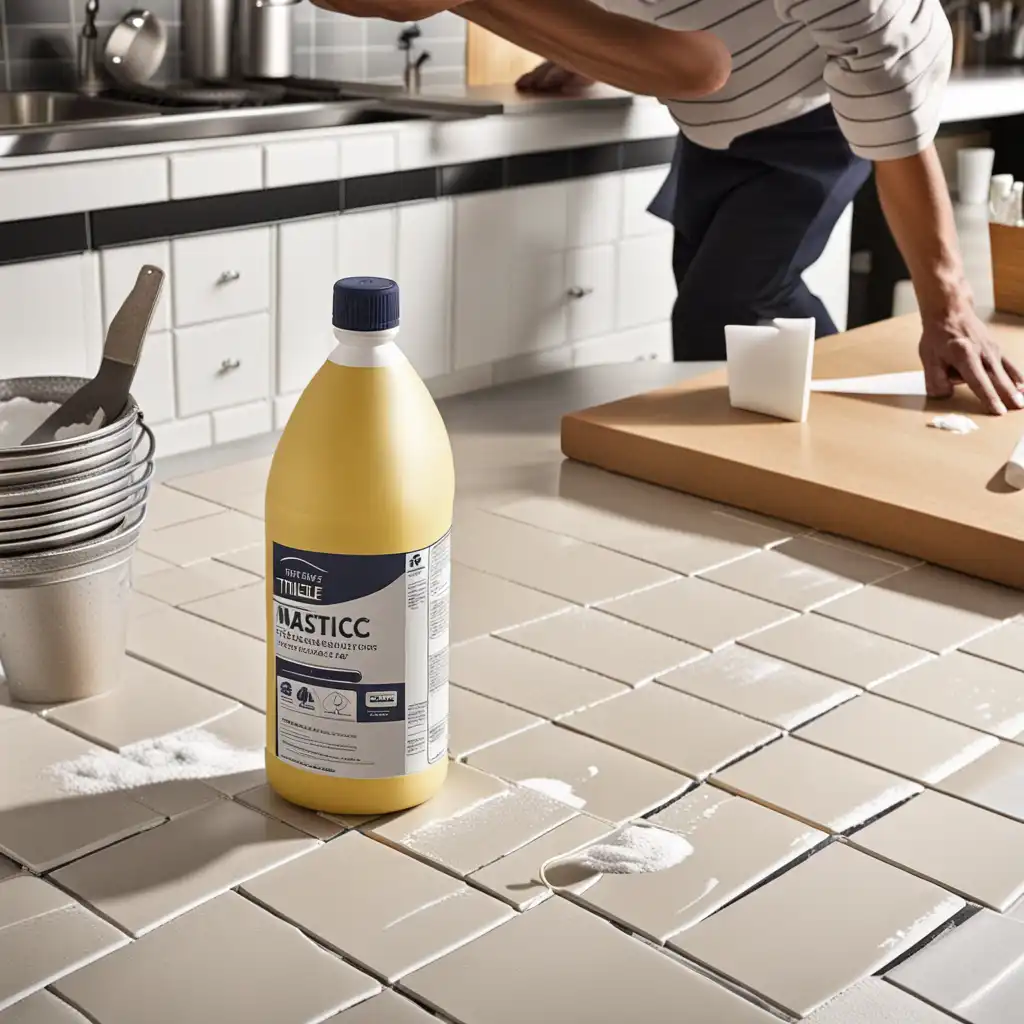
A pasty substance used as an adhesive or sealant
I bought some tile mastic to fix the loose tiles in my kitchen
No se pudo cargar el audio. Inténtalo de nuevo más tarde.
The word 'mastic' can have different meanings depending on the context. One common meaning refers to a type of resin that comes from a tree and is used in making varnish or glue. Another meaning of 'mastic' is a chewing gum-like substance made from tree resin that people in some parts of the world chew for its flavor and health benefits. Lastly, 'mastic' can also refer to a culinary ingredient, a spice commonly used in Mediterranean cuisine, which is obtained from the resin of the mastic tree.So, depending on the context, 'mastic' may refer to a type of tree resin used for making varnish or glue, a chewing gum-like substance, or a culinary spice.
Both adhesive and mastic are substances used to bond or stick things together, but they are different in composition and application.
Adhesive is a general term used for any substance that is used to bond two or more things together.
Adhesives can be made from natural or synthetic materials and are used in various industries like construction, paper, textiles, and packaging.
Mastic is a type of adhesive that is typically used for construction purposes. It is a thick, gooey substance that is used to bond materials like tiles, stone, and brick.
Mastic is made from a combination of polymers, resins, and fillers, which give it a strong adhesive quality. It is commonly used in flooring and wall installations.
Adhesive is a general term for any substance used to bond two or more things together, while mastic is a particular type of adhesive used mostly for construction purposes to bond materials like tiles, stone, and brick.
Abrir palabra: Adhesive →Cement is a powder made of minerals that hardens into a solid when mixed with water. It is commonly used for building and construction, such as in the foundation of a house or a sidewalk.
Cement is used for construction purposes while mastic is used for bonding materials together in specific applications like tiling.
Abrir palabra: Cement →Both glue and mastic are adhesives that are used to stick things together. The key difference between them is in their composition and application.
Glue is a type of adhesive that is made from natural or synthetic polymers. It usually comes in liquid form and can be applied using a brush or spreader.
Glue is versatile and can be used for a wide range of applications, from sticking paper to repairing broken toys.
It is typically used in construction and building projects, such as tiling floors or walls. Mastic comes in a thicker consistency than glue and is applied using a trowel.
In summary, while both glue and mastic are adhesives used for sticking things together, glue is more versatile and can be used in a wider range of applications, while mastic is typically used for construction projects.
Abrir palabra: Glue →Gum usually refers to a sticky substance that comes out of certain trees, while mastic refers to a resinous substance extracted from a type of Mediterranean tree.
Gum is commonly used as an additive in things like candy or toothpaste, while mastic is often used in traditional medicine or for cooking.
Gum is also used in arts and crafts as a type of adhesive, while mastic has been used historically as a chewing gum.
Overall, both words refer to sticky substances, but gum is generally associated with trees found outside of the Mediterranean, and has a wider range of uses.
Abrir palabra: Gum →Paste is a mixture of a solid material and a liquid (usually water) that has a smooth and creamy texture.
Paste can be used for a range of purposes like cooking, cleaning, or as an adhesive.
The main difference between the two is that mastic has a thicker and more solid consistency, while paste is more spreadable and easy to apply.
Abrir palabra: Paste →Mastic is a type of adhesive that is used for bonding materials together, while putty is a type of filler used for filling gaps, cracks, and holes in surfaces.
Mastic is commonly used in construction and manufacturing industries for various applications like sealing, bonding, and insulation, while putty is mainly used for finishing and repair work in building construction, woodworking, and automotive industries.
Mastic sticks things together, and putty fills in gaps and holes.
Abrir palabra: Putty →Mastic is a type of resin that comes from a tree. It is sticky and has a very distinct aroma.
Resin is a general term for a type of solid or semi-solid material that is produced by plants, animals, or synthetic processes.
Resin can be used in many different applications, including as adhesives, coatings, and as a component in plastics and composites.
Mastic is a specific type of resin that comes from a tree and is often used in cooking and personal care products. Resin is a general term for a type of solid or semi-solid material that can be used in a wide variety of applications.
Abrir palabra: Resin →Mastic and sealer are both substances used in construction work, but they have different purposes.
A sealer is a substance that is used to protect a surface from damage or wear.
Sealers can be applied to a variety of surfaces, including concrete, brick, and wood, to prevent water or other liquids from penetrating the surface and causing damage.
Sealers can also be used to protect surfaces from fading or discoloration caused by exposure to sunlight or other environmental factors.
Mastic is used for sticking things together, while a sealer is used for protecting surfaces from damage.
Abrir palabra: Sealer →What Makes Gum Chewy? %\PIPE%...
Ver en YouTube ↗Sometimes it's good to...
Ver en YouTube ↗