crater
noun crater
ˈkreɪtər
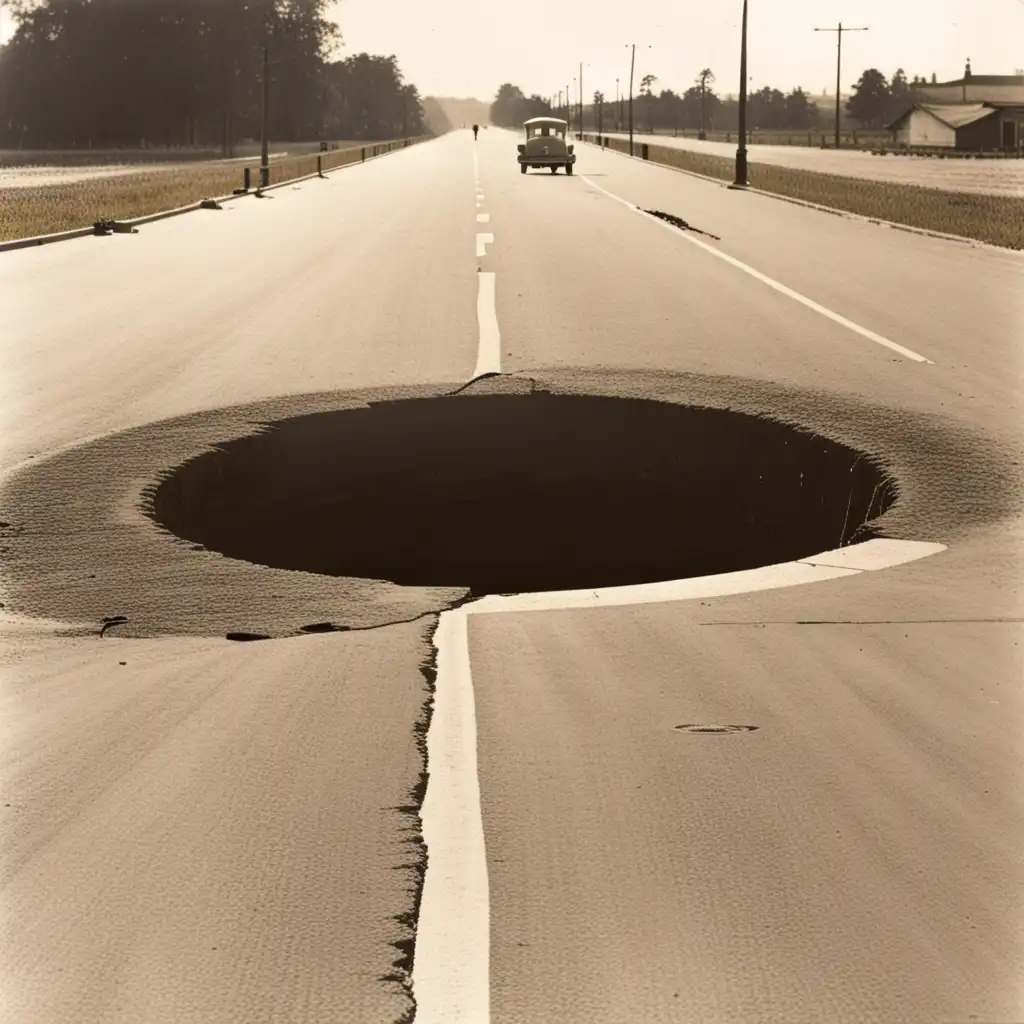
A big, round hole caused by something hitting the ground or by an explosion
The explosion created a huge crater in the middle of the road.
crater
ˈkreɪtər
加载中…
ˈkreɪtər
A big, round hole caused by something hitting the ground or by an explosion
The explosion created a huge crater in the middle of the road.
ˈkreɪtər
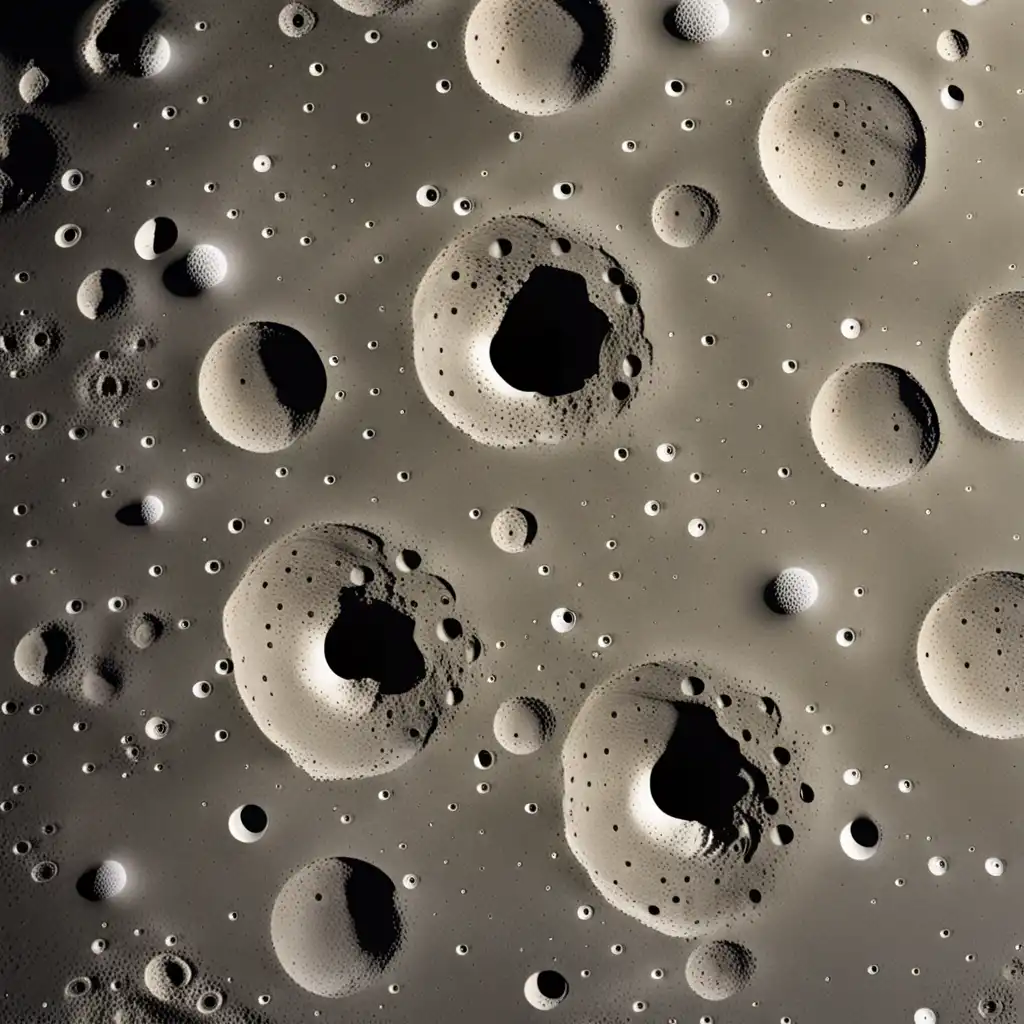
A large round hole in the surface of a planet, moon or asteroid caused by the impact of a meteorite
The surface of the moon is covered with craters.
ˈkreɪtər
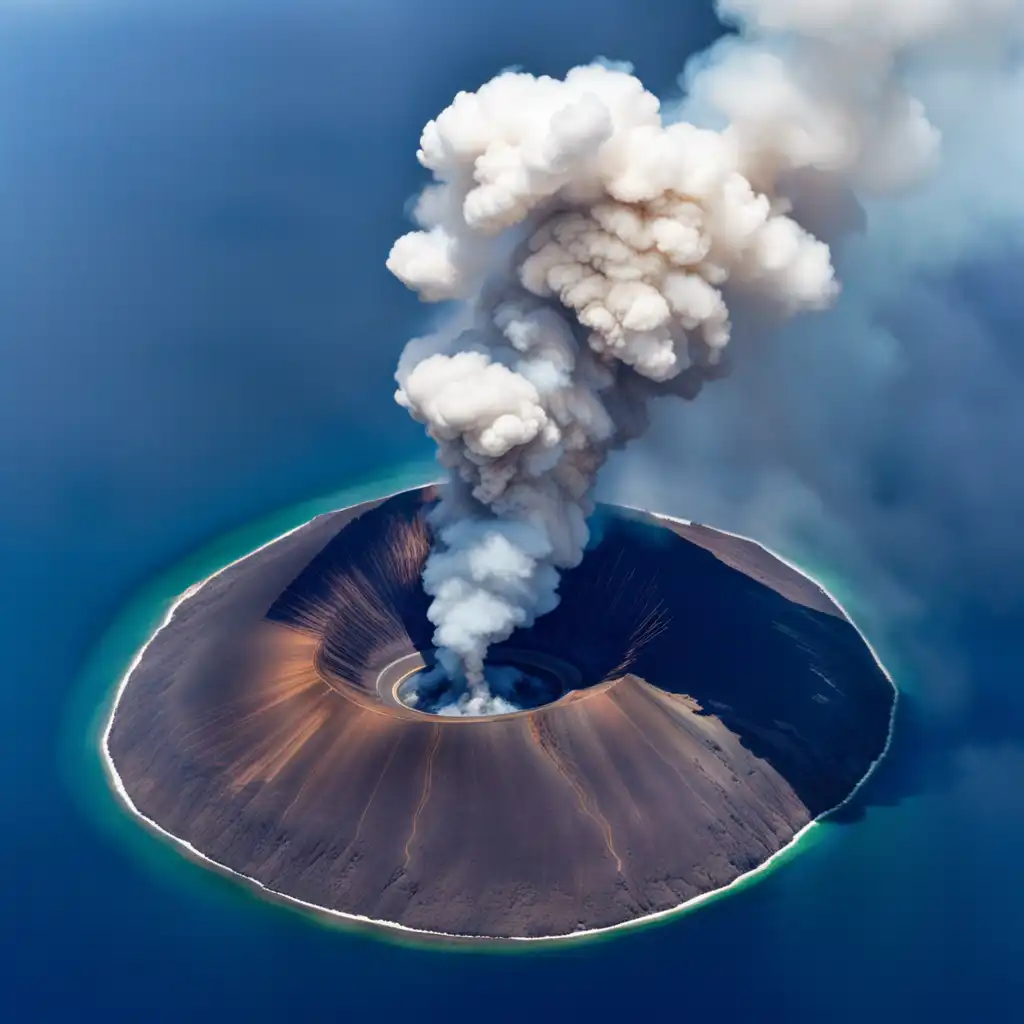
The circular or oval hollow at the top of a volcano
Smoke was billowing out the volcano's crater.

音频无法加载,请稍后再试。
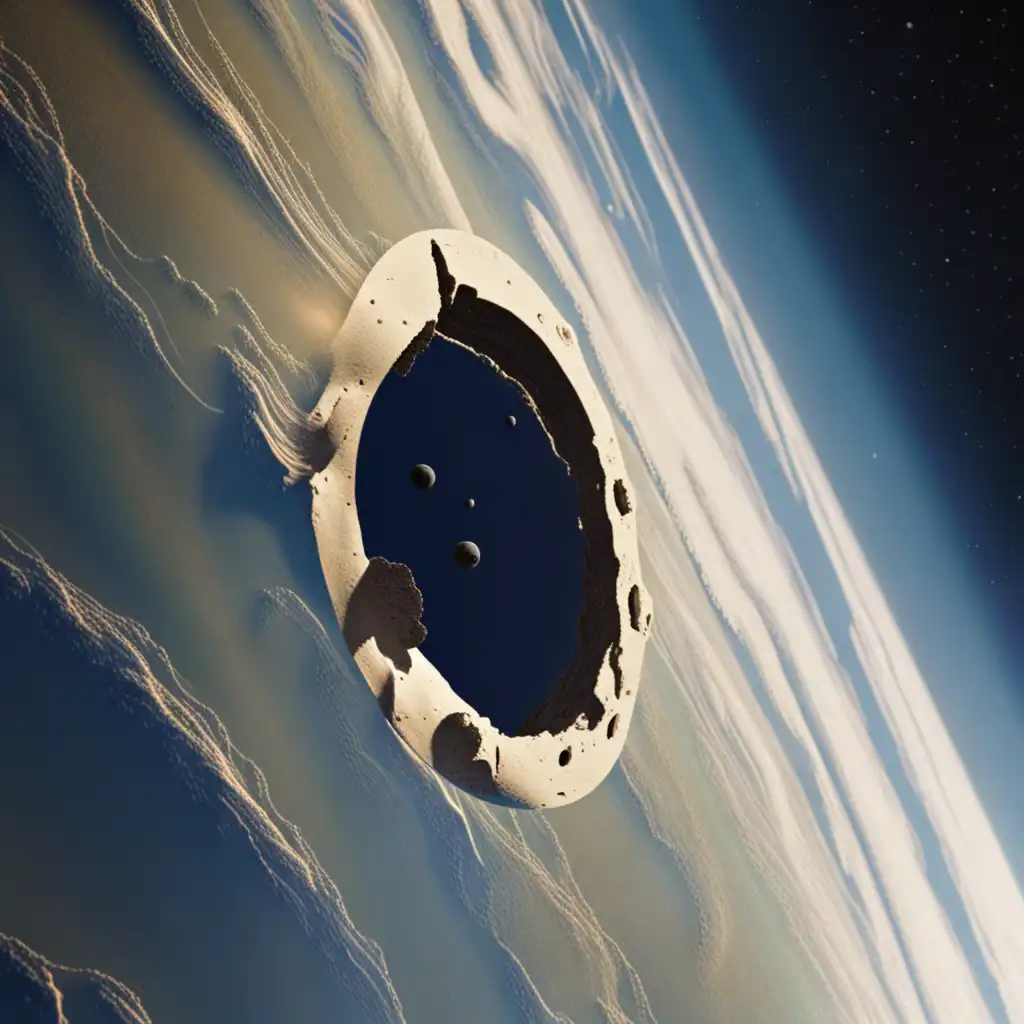
A 'crater' is a hole or indentation that is usually found on the surface of the Earth or other planets. It is typically formed after a powerful explosion, impact or other natural phenomenon. Craters are commonly found on the surface of the moon and are often used as a reference point to understand the age of the moon’s surface. They are also found on earth, typically made by volcanic activity or meteorites hitting the planet's surface. The word 'crater' can also be used metaphorically to describe the aftermath of a disastrous event, such as a financial crisis, as creating a "cratered economy."
A bowl is usually a shallow, round dish with evenly curved sides that can be used to hold food or drink.
A crater is a large, bowl-shaped depression or hollow on the surface of the Earth or another planet caused by an impact or explosion.
A bowl is a kitchen utensil or dish, while a crater is a geographical feature on the surface of the Earth or another celestial body.
打开单词: Bowl →A cavity is a hole or empty space within an object, while a crater is a hole or depression on the surface of a planet or moon that has been caused by impact from a meteor, asteroid, or similar object.
Cavity is generally used to describe a hole within an object or body, such as a cavity within a tooth or a cavity within a rock formation.
打开单词: Cavity →It is usually much larger and deeper than a dent.
A dent is a small depression or indentation in a surface caused by a bump, collision or pressure.
Both words can be applied to describe damage to a surface or structure, but a crater is typically larger and caused by a more significant event, while a dent is smaller and caused by a less significant event.
打开单词: Dent →A depression is a sunken area in the ground or land that is lower in elevation than the surrounding area.
A crater is specifically formed by a volcanic eruption or meteorite impact, while a depression can have various causes and describes any sunken area in the ground.
打开单词: Depression →A crater is a bowl-shaped depression, often made by a meteorite impact or a volcano. Excavate means to dig out or remove material from an area.
Crater describes the depression or hole that is created, while excavate describes the act of digging or removing material.
Craters are typically formed naturally, while excavation is often done by humans for various reasons like construction, mining, or archaeology.
打开单词: Excavate →A hole is simply an opening in a surface, usually circular or cylindrical in shape, which goes straight through to the other side.
Holes can be found in many contexts, such as in the ground, on walls or ceilings, or in fabrics. Unlike craters, holes are not necessarily the result of any kind of impact or explosion.
In general, we use the word crater when referring to large, naturally occurring depressions in the ground, and the word hole when referring to smaller, man-made or natural openings.
打开单词: Hole →A hollow is a cavity or a depression that is usually larger and shallower than a crater.
To summarize, a crater is usually caused by an impact, is round and relatively deep, and found on the surface of a planet or moon, while a hollow is a shallower depression or cavity that can be naturally occurring or man-made.
打开单词: Hollow →A pit is a usually smaller, deep hole or depression in the ground.
It may be naturally formed or man-made, and can be for a variety of purposes such as a mining pit or a pit for storing waste.
A crater is typically larger, circular and formed by natural events while a pit is smaller and may be man-made.
打开单词: Pit →normally done with spacecraft. Normally you look at the sky and you know where you point and where you are. In this case that's not enough. We navigated by looking at landmarks on the comet. We recognized features -- boulders craters -- and that's how we know where we are respective to the comet.
在 YouTube 上观看 ↗I've been called pizza face and others said my skin was full of craters - it's just so horrible when people pin point something that you feel so badly about.
It's what's brought me here. To this cracked eroded landscape. Like Mars it's dry barren and incredibly ornate. The carved canyons long shadows deep craters,
在 YouTube 上观看 ↗I feel like a person living on the brink of a volcano crater.
and they look a lot like these microbial tubules we also study impact craters these are observed on every planetary body in the solar system and they're created when an asteroid or comet hits the planet or a moon they have a very destructive reputation but they actually
在 YouTube 上观看 ↗One of the first things I did on arriving at school was to break my left arm falling into a bomb crater.
ancient ocean basin there aren't many craters and that's because the water protected the the basin from being impacted by asteroids of meteorites and but not look in the southern hemisphere in the southern hemisphere their impact
在 YouTube 上观看 ↗We didn't know if the rover could climb up or down the hills of the crater.
So to finally get to hear the sounds of grains of sand being turned over and the sounds of that very thin atmosphere being blustered around in this crater it's absolutely incredible. The first time I saw the pictures from the surface it was like being
在 YouTube 上观看 ↗The first mission to Mars did not expect to find craters and river valleys, and yet they did. The first mission to Jupiter didn't expect to find ocean worlds and volcano worlds, but they did.
it would have been a great success but now the rover heads for a bigger deeper crater nearby which could expose even more bedrock as we went deeper the chemistry and the texture of the rocks changed dramatically in a way that
在 YouTube 上观看 ↗NASA has hit a comet with an impactor, during the Deep Impact mission. The goal of that mission was to study the surface by making a crater and stirring up the surface material so it could be studied.
and follow them to the edges of our big weird beautiful world this week we hitch a ride aboard the perseverance rover sort of and learn how its elaborate cameras are ready to get our closest ever look at the red rocks craters and canyons of an ancient delta on mars its mission to seek out signs of past
在 YouTube 上观看 ↗Mauna Kea from Hilo has a shapely aspect, for its top is broken into peaks, said to be the craters of extinct volcanoes, but my eyes seek the dome-like curve of Mauna Loa with far deeper interest, for it is as yet an unfinished mountain.
reconstruction of the crater itself will be very useful and figuring out which layers are iron-rich which layers are sulfur rich within the caldera as a whole there's certainly life coating the walls as you go down on some of the surfaces down at the bottom almost
在 YouTube 上观看 ↗Without Jupiter cleaning out the early solar system, the Earth would be pock-marked with meteor collisions. We would suffer from asteroid impacts every day. CNN studios would probably be a gigantic crater it if wasn't for Jupiter.
With polar ice caps valleys planes and craters. It even has glaciers made of frozen nitrogen and frozen water on the surface makes giant floating mountains. Such varied terrain is influenced by the presence
在 YouTube 上观看 ↗For me at age 11, I had a pair of binoculars and looked up to the moon, and the moon wasn't just bigger, it was better. There were mountains and valleys and craters and shadows. And it came alive.
the moon's craters create these things called Baily's beads and they only last for fractions of a second or maybe a second or two so lots millions of people will have their camera set on high-speed yeah firing off their pictures trying to get that perfect daily speed picture oh and here's an important point if you are trying to do some Astro photography or
在 YouTube 上观看 ↗Even by the diverse standards of Saturn's satellites, Enceladus was an outlier. Its icy surface was as white and bright as fresh snow, and whereas the other airless moons were heavily pocked with craters, Enceladus was mantled in places with extensive plains of smooth, uncratered terrain, a clear sign of past internally driven geologic activity.