wench
noun wench
wentʃ
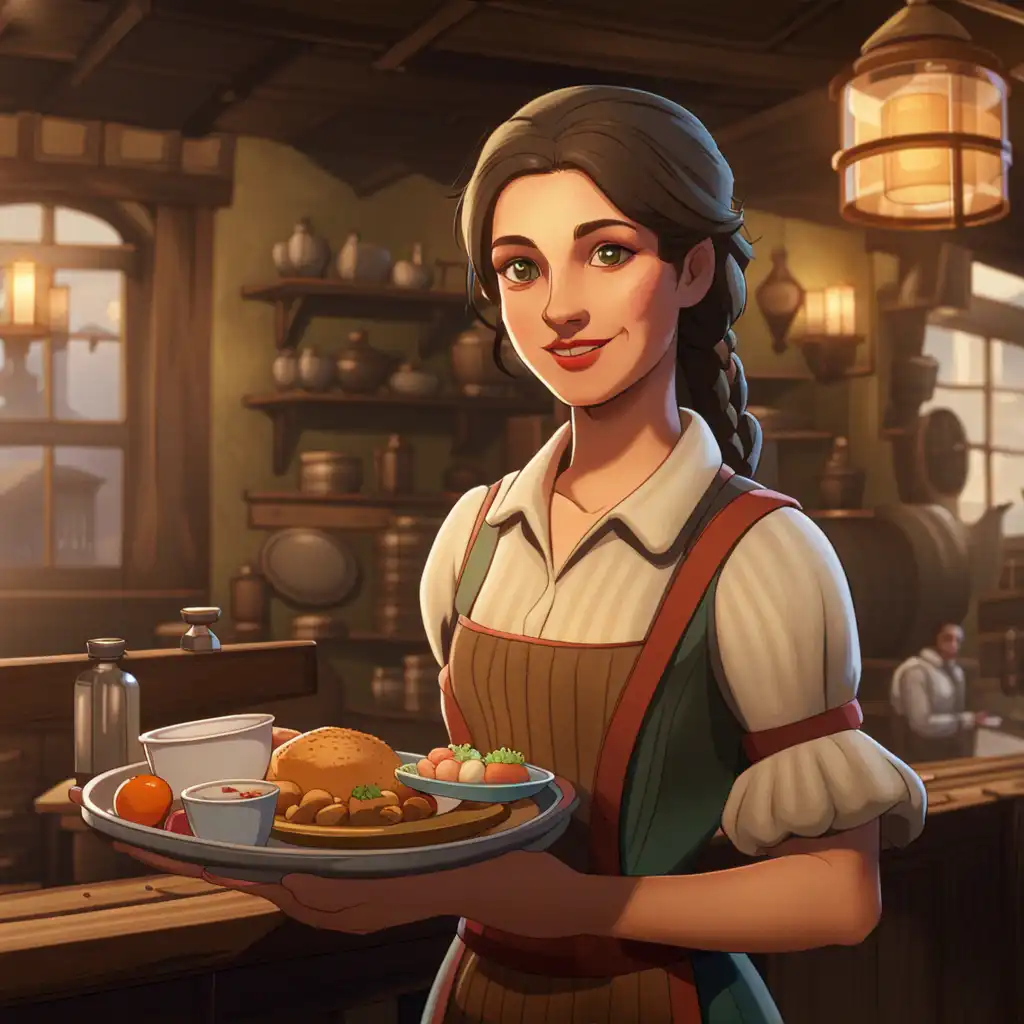
A young girl or a young woman
The wench served us our lunch in the local inn.
wench
wentʃ
読み込み中…
wentʃ
A young girl or a young woman
The wench served us our lunch in the local inn.

音声を読み込めませんでした。しばらくしてからもう一度お試しください。
"Wench" is an old-fashioned word that was used to refer to a young woman or a girl. However, it is now considered an offensive term, especially when used to refer to a woman in a derogatory manner. Therefore, it is best to avoid using this word and instead use more respectful language.
Dame typically refers to a respected, mature woman, such as a lady or a mother figure. It is generally considered polite and respectful to use dame when addressing someone in a formal context or a person of authority.
Dame is a term of respect for an older woman, while wench is an informal term that is typically used to refer to a younger woman in a more casual context.
単語を開く: Dame →Female is a neutral term used to describe the gender of any mammal, including humans. It is a polite and respectful way to identify someone's gender.
Female is a neutral and respectful term while wench is a derogatory and disrespectful term.
単語を開く: Female →Girl refers to a young female, typically under the age of 18. It is a neutral and polite term that can be used in any setting.
単語を開く: Girl →Lady is used to refer to a woman who is polite, refined, and well-mannered. It is a respectful term and is often used when addressing or referring to a woman who is held in high esteem, such as a queen, a mother or the wife of a dignitary.
Lady is a term used to show respect and admiration for a woman, while wench is a derogatory term used to degrade women.
単語を開く: Lady →Both lass and wench are words used to refer to a young woman, but there are some differences in their connotations and usage.
Lass is generally a term of affection and respect. It is commonly used in Scottish and Northern English dialects, and often used by older people referring to younger females.
For example, "I saw a lovely lass at the market today."
It can also be used to address a girl or woman in a friendly or informal way, similar to "mate" or "buddy." For example, "Alright, lass? How's it going?"
単語を開く: Lass →Both maiden and wench are often used to refer to young women, but they have different connotations.
Maiden usually means a young, unmarried woman. It implies purity and innocence, and can be used to show respect. It is commonly used in literature and fantasy to describe young heroines.
Maiden is a more respectful and formal term for a young woman, while wench has negative connotations and is best avoided.
単語を開く: Maiden →Miss is a term used for a young, unmarried woman or a title given to a female teacher. It is considered polite and respectful.
単語を開く: Miss →Wench is generally considered a derogatory term and is often used to refer to a young woman in a way that is dismissive or objectifying.
Woman, on the other hand, is a neutral term that refers to an adult female human being. It is always more appropriate to use the term woman when referring to a female individual, whether as a generalization or when speaking to or about a specific person.
単語を開く: Woman →Sarah-Jayne Blakemore:...
YouTube で見る ↗Well, if Fortune be a woman, she's a good wench for this gear.
Cheetahs - World's...
YouTube で見る ↗For a change, lady luck seemed to be smiling on me. Then again, maybe the fickle wench was just lulling me into a false sense of security while she reached for a rock.