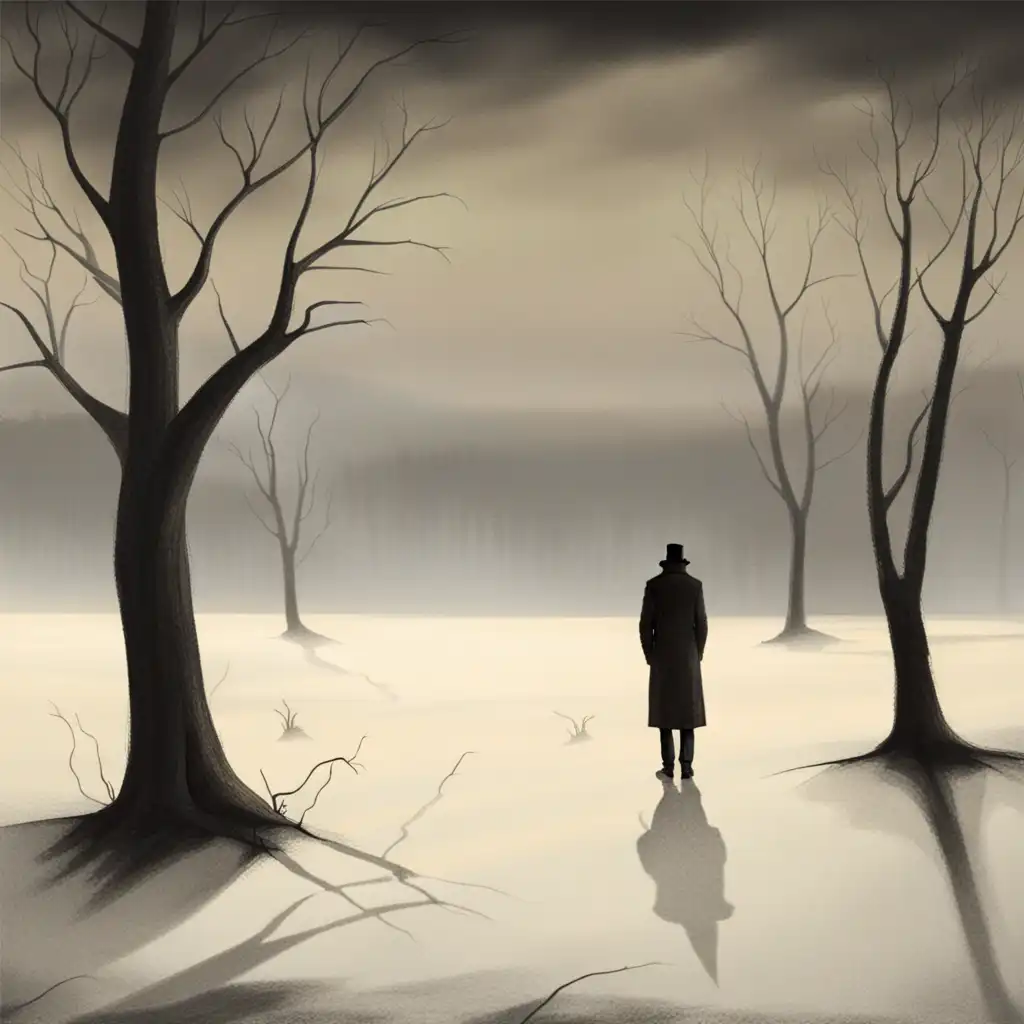
dreariness
noun dreariness
ˈdrɪrinəs
The feeling of being sad, dull, and not interesting
The dreariness of the winters in this country can be depressing
dreariness
ˈdrɪrinəs
Đang tải…
ˈdrɪrinəs
The feeling of being sad, dull, and not interesting
The dreariness of the winters in this country can be depressing
Không tải được âm thanh. Vui lòng thử lại sau.
Dreariness is a word that describes something that is dull, gloomy, and boring. It can be used to describe a place, a situation, or a person's mood. For example, if you go to a run-down and uninteresting place, you could say that the dreariness of the environment made you feel sad or bored. Similarly, if you are stuck in a monotonous and uninspiring job, you could say that the dreariness of your work brings you down. In essence, dreariness describes a feeling of boredom, dullness, or lack of stimulation in something or someone.
Bleak means lacking in warmth, joy, or hope, and often refers to something that is cold, bare or desolate in appearance.
In summary, while both words refer to something that is dull or lacking in vitality, bleak tends to denote a physical appearance or emotional state that is bleak or hopeless, while dreariness refers more to a general feeling of monotony or lack of excitement.
Mở từ: Bleak →Boredom refers to feeling uninterested or unoccupied, like when you're doing something you don't enjoy or have nothing to do.
Boredom is more about a lack of engagement or challenge in a task, while dreariness is more about the atmosphere or mood of a situation.
Boredom might apply to watching a tedious lecture or waiting in a long line, while dreariness might apply to a rainy, gray day or a job with repetitive, soul-crushing tasks.
Mở từ: Boredom →Desolation refers to a state of emptiness, loneliness, or abandonment. It suggests a place or situation that is barren, lifeless, and devoid of any activity or joy.
Desolation is applicable when describing a place or situation that is uninhabitable, while dreariness is applicable when describing a mood or feeling of boredom or monotony.
Mở từ: Desolation →Dreariness refers to a feeling of gloominess or sadness, while dull means lacking in excitement or interest. Dreariness is applicable when describing a dreary and depressing atmosphere or mood, while dull describes something that is boring and uninteresting.
For example, a rainy and cloudy day can be described as dreary, while a boring lecture can be called dull.
Mở từ: Dull →Gloominess refers to a feeling of darkness or sadness.
Dreariness is more of a lack of excitement or activity, while gloominess is more of a feeling of darkness or sadness. Both words describe negative emotions or circumstances, but in slightly different ways.
Mở từ: Gloominess →Dreariness refers to a feeling of sadness, gloominess or dullness, while monotony is about repetition and lack of variety.
Dreariness can be applied to a situation or atmosphere that is depressing, dull or lifeless. Monotony is applicable to a routine or activity that is unchanging, repetitive and tedious.
In simpler terms, dreariness is a feeling while monotony is an experience.
Mở từ: Monotony →Same means not different, identical, or unchanged.
Dreariness describes a negative feeling or atmosphere, while same describes a lack of difference or change.
Mở từ: Same →It is usually applied to things that seem dark and gloomy, like gray skies or a run-down building. Tedium refers to a feeling of boredom or tediousness.
It is usually applied to things that seem dull and uninteresting, like a repetitive task or a long lecture. Both words describe negative feelings, but dreariness is more about the atmosphere and mood, whereas tedium is more about the task or activity itself.
Mở từ: Tedium →July 2. A beautiful day for Labrador. Went ashore and killed nothing, but was pleased with what I saw. The country is so grandly wild and desolate that I am charmed by its wonderful dreariness.