
bifurcate
verb bifurcate
ˈbaɪfərkeɪt
To divide or to split into two branches or parts.
The road bifurcates ahead into two different paths.
bifurcate
ˈbaɪfərkeɪt
Đang tải…
ˈbaɪfərkeɪt
To divide or to split into two branches or parts.
The road bifurcates ahead into two different paths.

ˈbaɪfərkeɪt
In biology, when something such as a river, road, or plant bifurcates or is bifurcated, it divides into two parts.
The stem of the plant bifurcates into two distinct branches.
ˈbaɪfərkeɪt
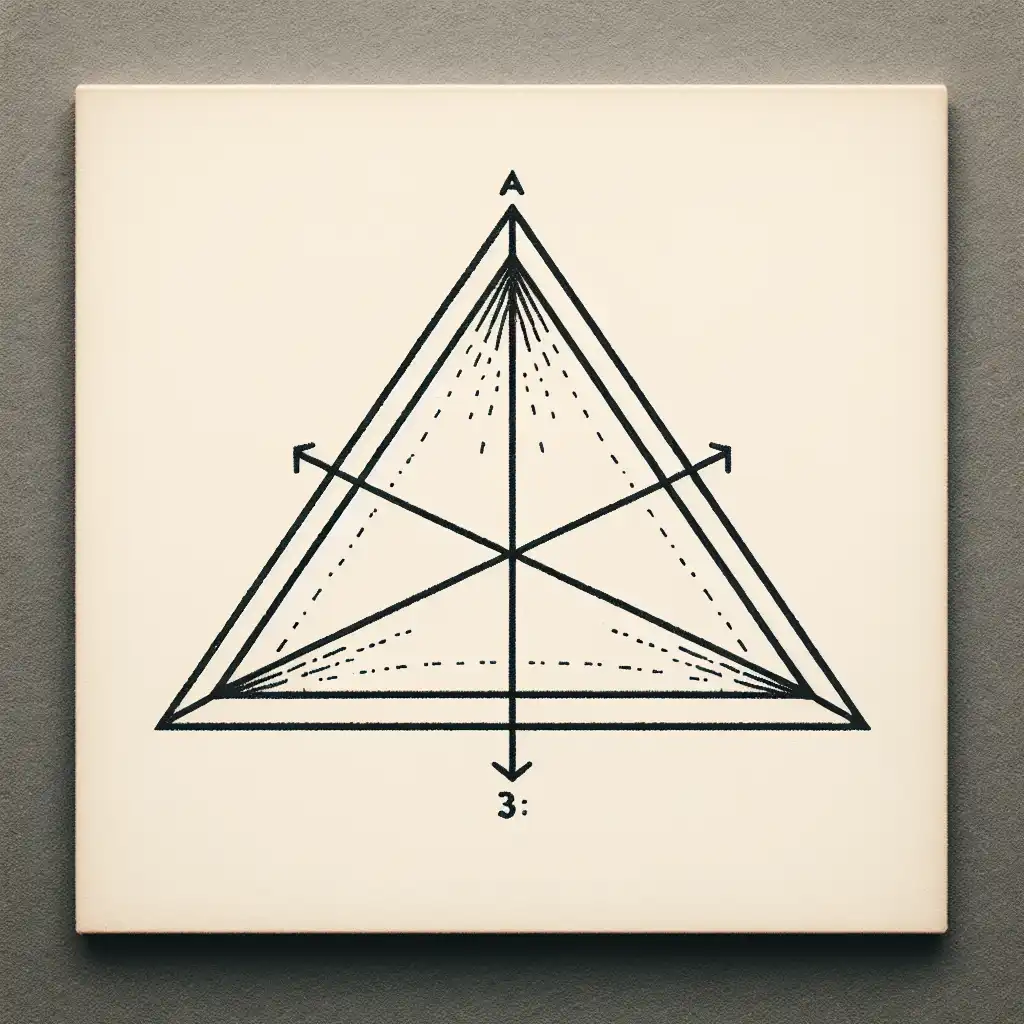
In mathematics, to divide an area, group, or thing into two parts.
In this geometry problem, we need to bifurcate the triangle into two equal areas.

ˈbaɪfərkeɪt
Separated or divided into two branches or parts.
The bifurcate tree was an impressive sight.
Không tải được âm thanh. Vui lòng thử lại sau.
The word 'bifurcate' means to divide something into two branches or parts. It is usually used in a technical or scientific context, such as in biology or engineering. For example, a river or a tree might bifurcate, splitting into two separate branches. This word is not commonly used in everyday conversation, but you may encounter it in academic or professional settings.
Bifurcate and branch off both refer to a division or splitting of something.
Bifurcate is typically used to describe a Y-shaped or two-pronged split in which two separate paths or branches are created.
Branch off is more commonly used to describe a single entity that splits into smaller parts, usually in more than two directions.
For example, a tree might branch off into many smaller branches in various directions.
Bifurcate tends to refer to a more distinct, binary split, while branch off suggests a more nuanced, multi-faceted division.
Mở từ: Branch off →Both bifurcate and divide mean to separate or split something into two or more parts, but they are used in slightly different contexts.
Bifurcate is also often used in scientific or technical contexts to describe a more precise form of dividing, such as in biology when describing a nerve that splits into two smaller nerves.
Divide can be used more broadly to describe any kind of separation or splitting, not just in terms of paths or directions.
For example, you might divide a pizza into slices or divide chores among family members. Divide often connotes a more equal or even split, while bifurcate suggests a more asymmetrical or distinct separation.
Mở từ: Divide →Bifurcate means to split something into two parts, usually with each part going in a different direction. Fork means to divide into two or more branches.
Bifurcate is used more in academic or technical contexts, while fork is used more in everyday language. For example, a river can bifurcate into two separate streams, while a road can fork into two lanes or directions.
Mở từ: Fork →Bifurcate and split both mean to divide into two parts, but bifurcate implies a division into two branches or prongs while split suggests a division into two pieces or halves.
For example, a tree can bifurcate into two branches while a piece of wood can split in half. Bifurcate is more appropriate for things that have branches or forks like rivers, roads, or nerves.
Split is more appropriate for things that can be divided in two like logs, clothes, or teams.
Mở từ: Split →The future of humanity is going to bifurcate in two directions: Either it's going to become multiplanetary, or it's going to remain confined to one planet and eventually there's going to be an extinction event.
You just can't bifurcate bitcoin currency from the technology. Bitcoin will always need a monetary base.