plebeian
noun plebeian
pləˈbiːən
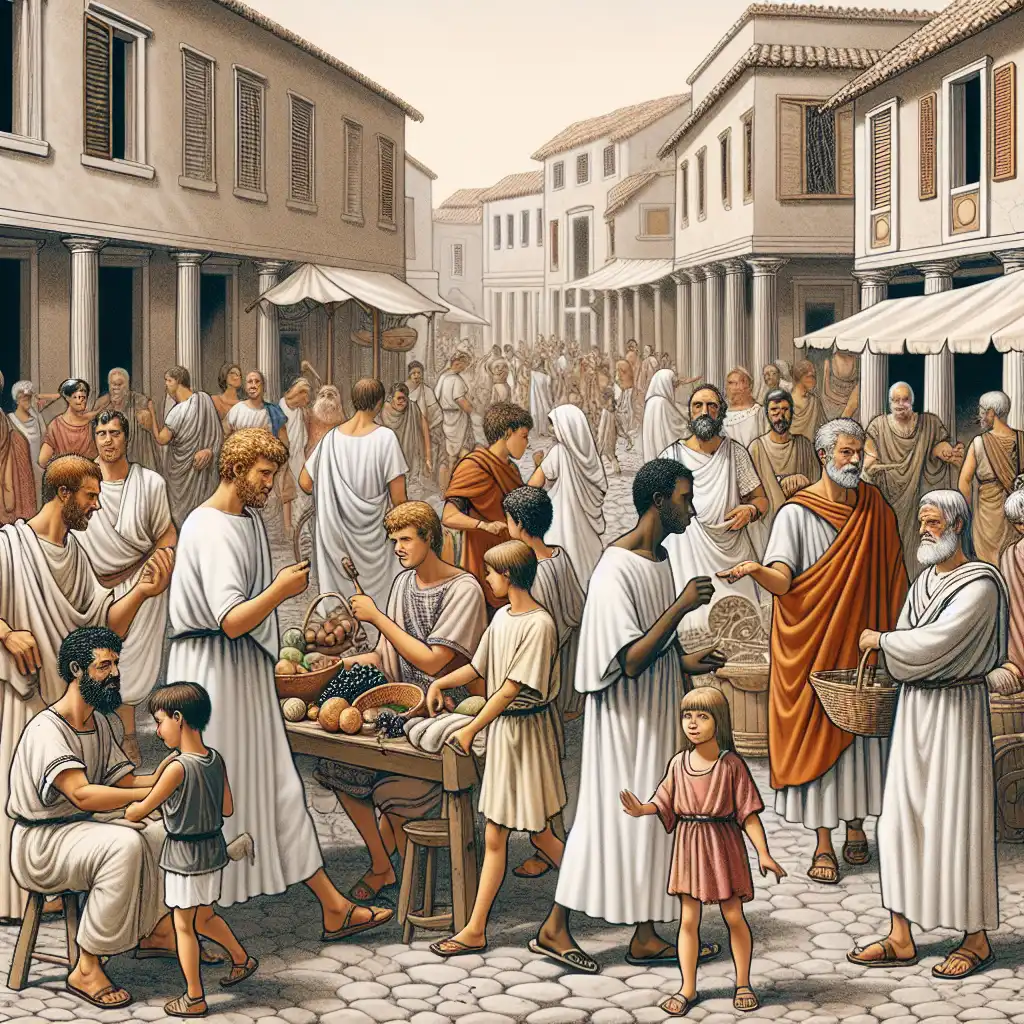
A common person in the society, not noble
In ancient Rome, plebeians were the common folks while the senators were the upper class.
plebeian
pləˈbiːən
लोड हो रहा है…
pləˈbiːən
A common person in the society, not noble
In ancient Rome, plebeians were the common folks while the senators were the upper class.

pləˈbiːən
Of or belonging to the common people, ordinary
Her plebeian taste in fashion was apparent in her simple clothing.
ऑडियो लोड नहीं हो सका। कृपया बाद में फिर कोशिश करें।
The word 'plebeian' is used to describe someone who is common or ordinary, and not from a wealthy or upper-class family. It can also refer to things that are considered low or basic, rather than sophisticated or refined. This word can be used in discussions about social class or culture, or when talking about politics or history.
Both common and plebeian refer to something that is not considered fancy or high-class.
However, common typically refers to something that is widely available or frequently occurring, whereas plebeian often carries a negative connotation and refers to something that is considered low or vulgar.
For example, a common food might be something that is easily accessible, like bread, while a plebeian food might be something that is looked down upon by those with more refined tastes, like hot dogs.
Common is a more neutral term while plebeian is usually used in a negative way to look down on something or someone.
शब्द खोलें: Common →Peasant refers to someone who works on a farm or in agriculture to make a living. They typically live in rural areas and are poor.
Peasant is applicable to someone who works on a farm or agriculture, while plebeian is applicable to someone who is not of noble birth, regardless of their occupation or social class.
शब्द खोलें: Peasant →Proletarian refers to the working class, particularly those who work in factories or industries that require manual labor.
However, plebeian has a historical context and is not often used in contemporary discussions, while proletarian is still commonly used today to describe the working class.
शब्द खोलें: Proletarian →Vulgar describes something that is lacking in taste or refinement.
It can refer to anything that is offensive or crude. For example, you might describe a crude joke as vulgar because it's inappropriate and offensive.
Plebeian refers to something that is common or ordinary, while vulgar refers to something that is lacking in taste or refinement.
शब्द खोलें: Vulgar →The most important in the history of nations and individuals was once the most trivial, and vice versa. The plebeian, who is called today the 'man in the street,' can never see and understand the significance of the hidden seed of things, which in time must develop or die.
When you're a plebeian you want success, and when you're successful you want to be a plebeian again.
The usual picture of Socrates is of an ugly little plebeian who inspired a handsome young nobleman to write long dialogues on large topics.
I have to say that filming 'The Night Manager' was not just amazing but also very daunting at first. I used to describe myself as the token plebeian surrounded by all your national treasures. All that glittering talent in one place; I knew Hugh from Fry and Laurie videos that my grandpa used to watch, and Tom Hollander's 'Rev' is hilarious.
The concept that flourished during the most glorious periods of republican Rome and that appeared in the Twelve Tables of the Law as one of the first, though as yet imperfect, affirmations of the rights of man, inspired the struggle between patricians and plebeians.
Icy and earthy, Helen Mirren is a rare, regal presence in a movie age that values the plebeian over the patrician and mass over class. Lauded with an Oscar and an Emmy for playing both Queen Elizabeths, Mirren has matched her cool aristocracy with a boldness of performance and display.