plasticity
noun plasticity
plæˈstɪsəti
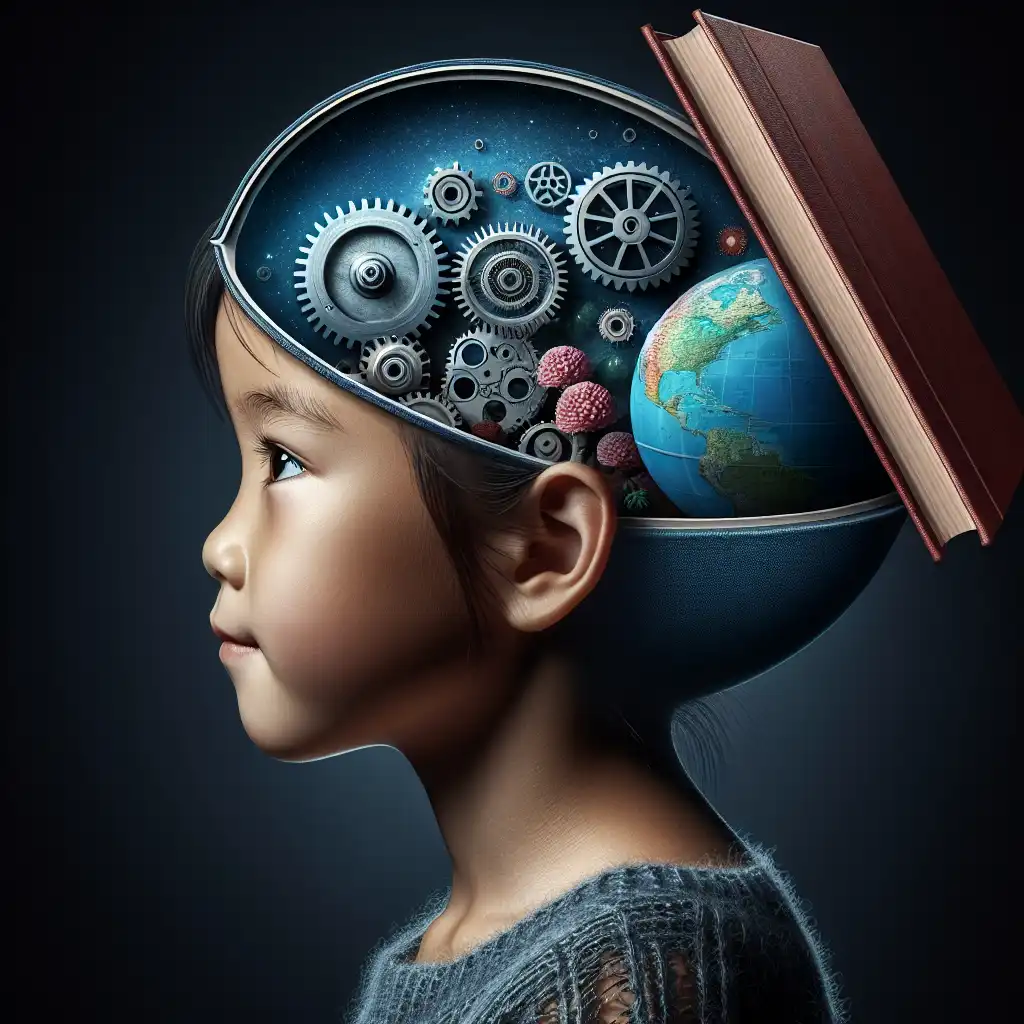
Ability to change and adapt according to need or environment.
The plasticity of the young brain allows it to learn languages easily.
plasticity
plæˈstɪsəti
Đang tải…
plæˈstɪsəti
Ability to change and adapt according to need or environment.
The plasticity of the young brain allows it to learn languages easily.

plæˈstɪsəti
The quality of being easily shaped or molded.
The artist praised the plasticity of the clay he used to make sculptures.
plæˈstɪsəti
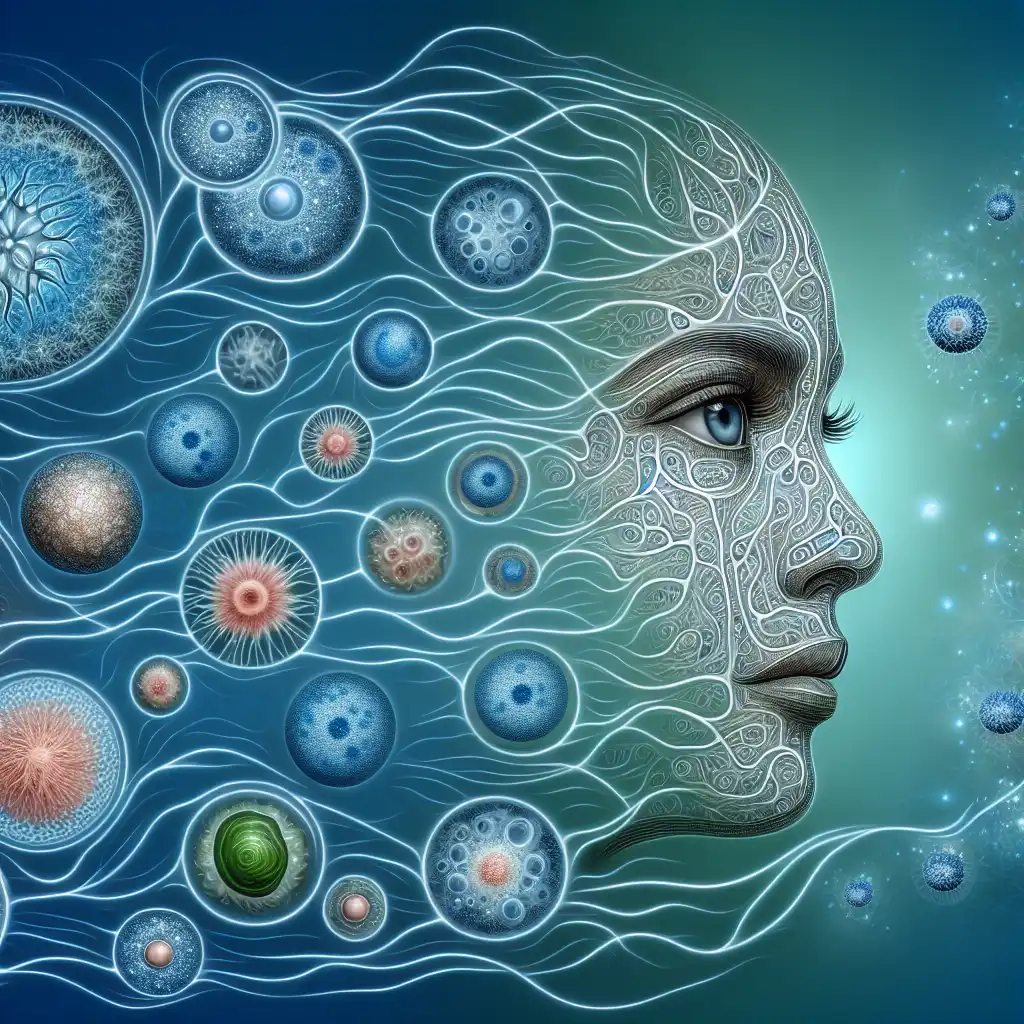
In science, it's the ability of organisms or cells to change or adapt structurally or functionally.
Stem cells are noted for their plasticity in developing into a wide range of other cell types.
Không tải được âm thanh. Vui lòng thử lại sau.
Plasticity means the ability to change or be shaped easily without breaking. This term is often used in science and biology to describe how certain materials can be molded, formed or reshaped. In the brain, plasticity refers to the brain's ability to learn new things and adapt to changes. For example, when someone learns a new skill, it is because their brain is changing and becoming more "plastic" to adapt to the new knowledge. In general, plasticity can be used to describe anything that can be easily shaped or molded into different forms.
Adaptability and plasticity are two words that refer to the ability to change or adjust to new situations.
Adaptability refers to a person's ability to adjust to new situations, circumstances, or environments. It is the ability to change oneself to fit into a new environment, rather than the environment changing to fit the person.
Both adaptability and plasticity are useful traits to have. Adaptability helps people navigate change and transition smoothly, while plasticity allows for growth and improvement based on new experiences.
Mở từ: Adaptability →Elasticity and plasticity are two concepts that describe how materials deform or change shape when they are subjected to stress or force.
Elasticity refers to the ability of a material to return to its original shape after being stretched or compressed. Plasticity refers to the ability of a material to permanently deform or change shape when it is subjected to stress.
Both elasticity and plasticity have different applications in different fields. Elasticity is important in engineering and construction, where materials need to be able to withstand stress without breaking or permanently deforming.
Mở từ: Elasticity →Flexibility refers to the ability of something to be bent, stretched or changed temporarily without breaking. For example, a rubber band is flexible because it can be stretched and then return to its original shape.
Flexibility is applicable in situations where a temporary change is needed, such as stretching before exercising or bending a straw to drink from it.
Mở từ: Flexibility →Malleability refers to the ability of a material to be hammered or beaten into thin sheets without breaking or shattering.
Malleability is the ability of a material to be flattened or thinned out, while plasticity is the ability of a material to be molded or shaped.
Mở từ: Malleability →Resilience refers to the ability of an organism or system to recover or bounce back from a disturbance or stress.
Plasticity is applicable in situations where change or adaptation is necessary, while resilience is necessary in situations where recovery is needed.
Plasticity might be useful in situations like a company adapting to new market demands, while resilience might be useful in situations like rebuilding after a natural disaster.
Plasticity is the ability to be flexible and adaptable, while resilience is the ability to recover and bounce back from challenges.
Mở từ: Resilience →Supple refers to something that is flexible, able to bend or stretch easily without breaking.
Plasticity refers to the ability to reshape something without damaging it, while supple refers to something that is flexible and able to bend or stretch easily.
Mở từ: Supple →Versatile refers to the ability to adapt or be used in many different ways.
It is often used to describe people or objects that can perform a range of tasks or functions. For example, a Swiss Army Knife is versatile because it has many different tools that can be used for various purposes.
Plasticity refers to the ability to change, while versatile refers to the ability to adapt or be used in many different ways.
Plasticity is often used in reference to the brain or materials, while versatile is often used in reference to people or objects.
Mở từ: Versatile →Aphasia: The disorder...
Xem trên YouTube ↗We'd be really screwed if we had to start our life over again as children with our brains right now, because I think we lose the plasticity and flexibility.
Michael Merzenich:...
Xem trên YouTube ↗I think the plasticity of the novel is its greatest challenge. There are no rules; there is no necessary form. You can know what you want it to be, or do, and still not know how to write it. There are endless possibilities, infinite choices. What voice should it be in? What events to start with? What characters will be part of it?
Paralyzed Rats Walk...
Xem trên YouTube ↗The same plasticity that allows us to form a reading circuit to begin with, and short-circuit the development of deep reading if we allow it, also allows us to learn how to duplicate deep reading in a new environment. We cannot go backwards. As children move more toward an immersion in digital media, we have to figure out ways to read deeply there.
Your brain on video...
Xem trên YouTube ↗I just really love the cartoon form. I love the plasticity of it.
What You Can Do to...
Xem trên YouTube ↗I searched for years I found no love. I'm sure that love will never be a product of plasticity.
Optical illusions show...
Xem trên YouTube ↗Man is unique not because he does science, and his is unique not because he does art, but because science and art equally are expressions of his marvelous plasticity of mind.
Michael Levin: The...
Xem trên YouTube ↗The most direct evidence of the wonderful plasticity and elasticity of red corpuscles is obtained when they are watched in a current, where they can be caught against a projecting edge and bent by the pressure of the current flowing past them.
Your brain on video...
Xem trên YouTube ↗Alison Gopnik: What do...
Xem trên YouTube ↗Grégoire Courtine: The...
Xem trên YouTube ↗