junker
noun junker
ˈdʒʌŋkər
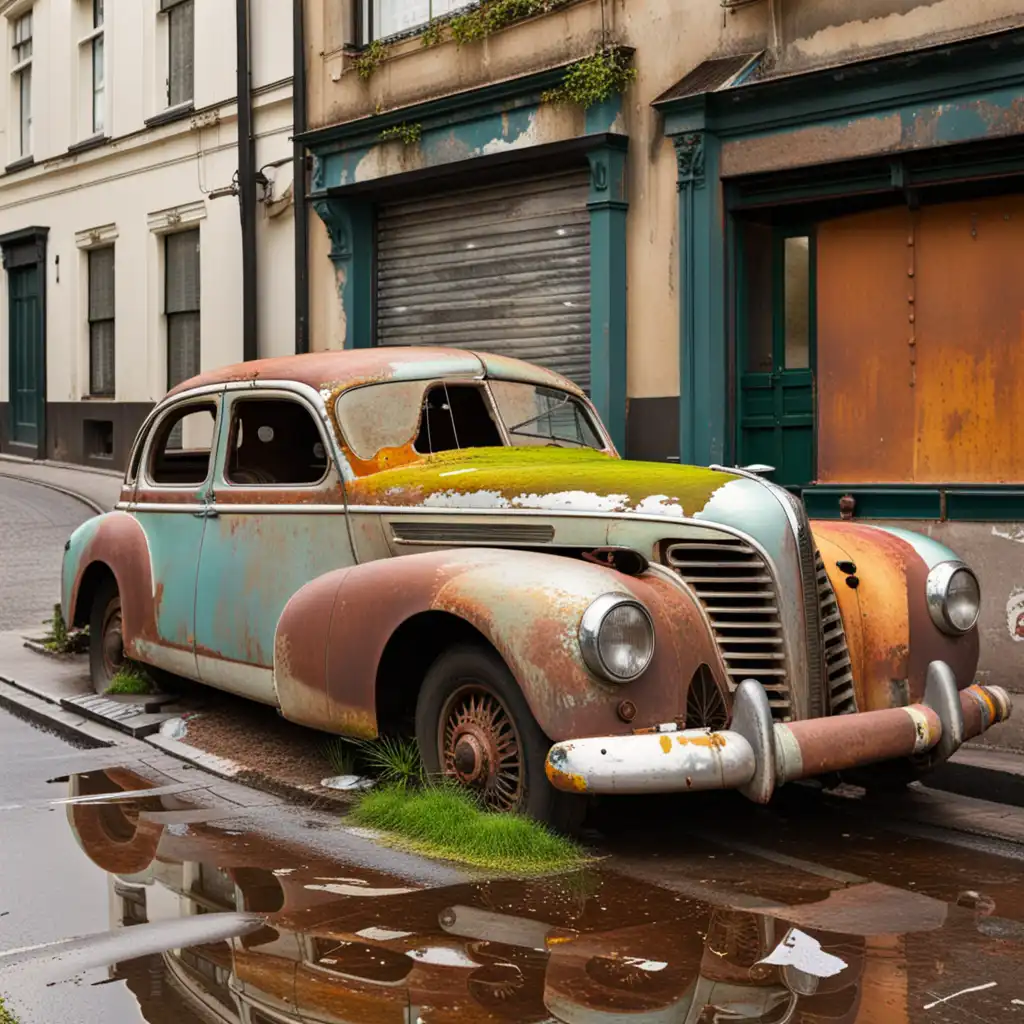
A car in poor condition and often old
Frank drove around in a rusty junker for years.
junker
ˈdʒʌŋkər
読み込み中…
ˈdʒʌŋkər
A car in poor condition and often old
Frank drove around in a rusty junker for years.

ˈdʒʌŋkər
A noble or landowner in Prussia, Germany
The growing middle class was causing a shift in power, threatening the Junkers' social status.
音声を読み込めませんでした。しばらくしてからもう一度お試しください。
The word 'junker' is not a common word in everyday English. It is usually used to refer to a type of old German nobleman or a military officer. In modern English, it can also refer to a person who collects or deals with old and useless objects or machinery. However, it is not recommended to use this word in most everyday conversations, as it may not be understood by many people.
Scavenger, on the other hand, generally refers to any animal or person who scavenges or searches for and consumes leftover or discarded food or resources.
A junker is a person who collects old equipment for scrap or restoration purposes, while scavenger refers to someone or something that searches for and consumes leftover resources.
単語を開く: Scavenger →Scrubber refers to a tool or machine that is used to clean or remove dirt or impurities from a surface. For example, a floor scrubber might be used to clean a dirty floor, or a facial scrubber might be used to remove dead skin cells from the face.
単語を開く: Scrubber →Waster refers to something that is useless, having no value or purpose at all. This can include things like rubbish, junk mail, or old newspapers.
Junker applies to things that have some remaining value or potential use, while waster is used for objects that are completely useless or disposable.
単語を開く: Waster →Atlantic Territories...
YouTube で見る ↗