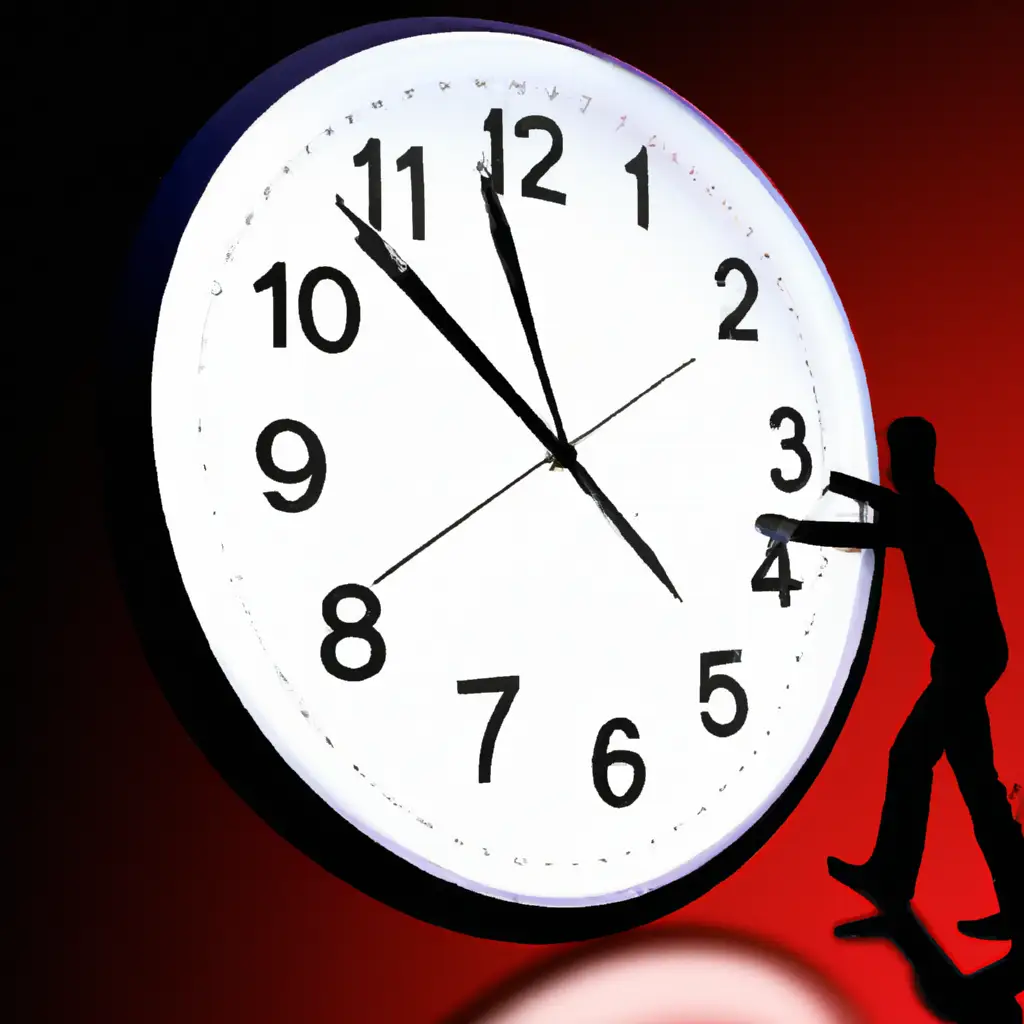
lapse
noun lapse
læps
A short period of time in which something becomes worse or something is not done
In a moment of lapse, she forgot her keys inside the car
lapse
læps
Chargement…
læps
A short period of time in which something becomes worse or something is not done
In a moment of lapse, she forgot her keys inside the car

læps
An end of something that was previously available
After the lapse of few days, she realized her mistake

læps
To end, typically gradually or by being unnoticed
His attention lapsed and he missed the important point in the discussion
læps
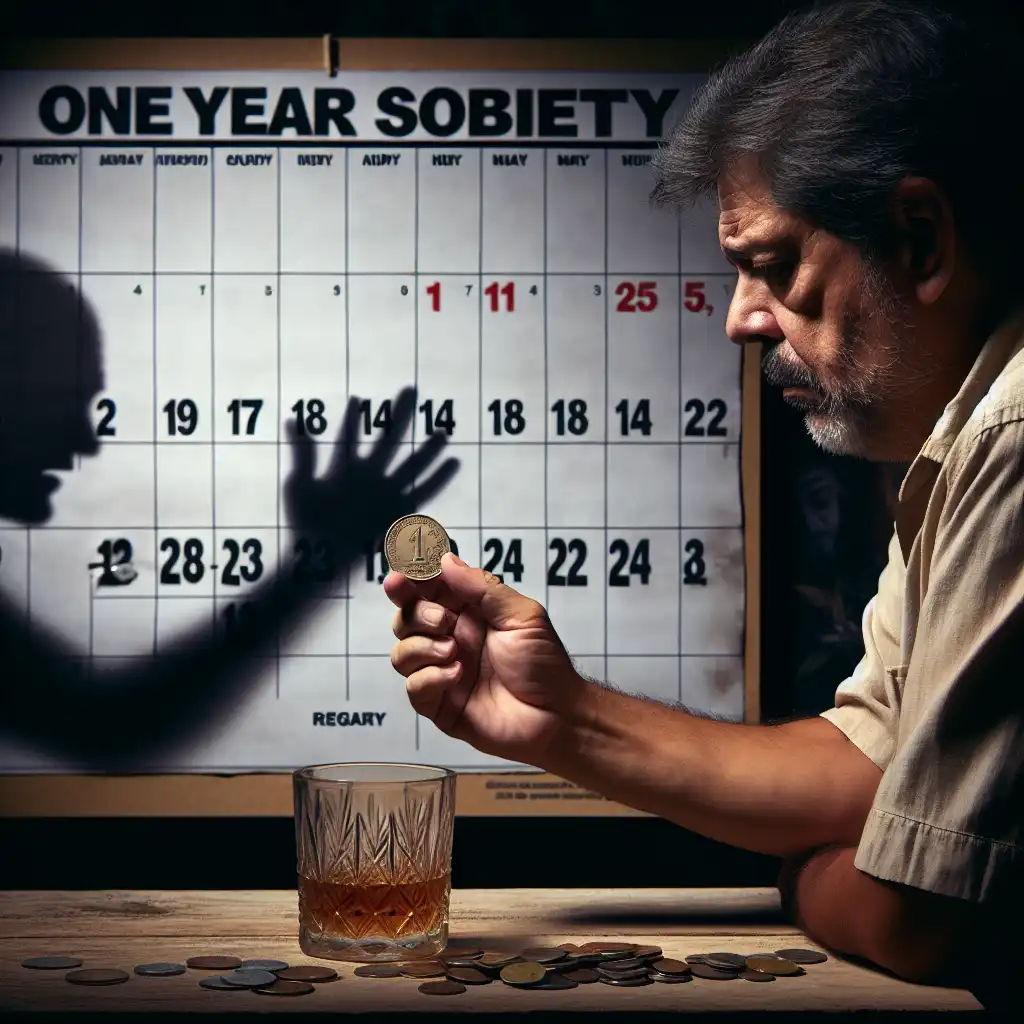
To go back to an older and often worse condition
After being sober for one year, he lapsed back into drinking
Impossible de charger l’audio. Réessayez plus tard.
The word 'lapse' can be used to describe a mistake or failure to do something that should have been done. For example, if you forget to pay a bill on time, it can be called a lapse. It can also refer to a period of time where something is not done or where someone is not in the right state of mind. For instance, if someone is not concentrating properly while driving, it can be said that they are experiencing a lapse in judgment. Overall, 'lapse' is used to describe a situation where someone or something falls short of what is expected or required.
Blunder refers to a mistake or error that is made because of carelessness, recklessness, or ignorance. It's typically used to describe a mistake that could have been avoided with more attention to detail or better judgment.
For example, accidentally hitting reply-all on an email meant for only one person can be considered a blunder.
Blunder implies a more serious error, while lapse usually indicates a minor mistake.
Ouvrir le mot: Blunder →An error is a mistake that is made unintentionally.
An error can occur while performing a task that requires a certain level of skill or knowledge, such as writing an essay or performing surgery.
An error implies a lack of knowledge or expertise, while a lapse implies a lack of attention.
Ouvrir le mot: Error →Failure means not being able to accomplish something that was intended or desired, usually due to a lack of ability or effort.
Lapse means a temporary failure or mistake in judgment. It is applicable when referring to a slip-up, error or mistake that is usually out of character or unintentional.
For example, if a student fails an exam, that would be a failure.
Ouvrir le mot: Failure →Forgetful means having a poor memory and often forgetting things. It is a characteristic of a person who has difficulty remembering things, such as names, dates, and appointments.
For example, if someone forgets to bring their homework to school, they might be described as forgetful.
Lapse means a temporary failure or a slip in memory. It refers to a momentary forgetfulness or inattention that impairs the normal functioning of a person.
Overall, forgetfulness is a trait of a person, while a lapse is a temporary failure. Forgetfulness occurs frequently, while a lapse happens occasionally.
Ouvrir le mot: Forgetful →A mistake is an error or fault caused by a wrong decision or an incorrect action taken by a person. Unlike lapses, mistakes can be intentional or unintentional, but they usually result from a lack of knowledge, misunderstanding, poor judgement or carelessness.
For example, submitting the wrong assignment or forgetting to study for an exam could be considered a mistake.
A lapse typically involves a brief moment of forgetfulness or inattention, whereas a mistake is a broader term that refers to broader misjudgements or errors in action or decision-making.
Ouvrir le mot: Mistake →Lapse refers to a situation where someone accidentally forgets to do something or makes a mistake, whereas neglect refers to a situation where someone fails to do something on purpose or doesn't take care of something or someone properly.
However, if you refuse to take your dog for a walk or feed it regularly, it is neglect.
Lapse can occur due to human error, whereas neglect means not putting enough care and attention into something or someone that requires it.
Ouvrir le mot: Neglect →Omission refers to intentionally leaving something out or neglecting to do something. For instance, if you leave an important detail out of a report you are writing, that is an omission.
In simpler terms, lapse is accidental while omission is purposeful. Lapse is applicable when someone forgets or makes a mistake because of carelessness, while omission is used when someone intentionally leaves something out or neglects to do something.
Ouvrir le mot: Omission →Slip refers to a mistake or error that is accidental or unintentional, like if someone accidentally makes a typo in an email or forgets to button their shirt all the way.
In general, we use the word lapse when we're talking about something that was deliberate or should have been remembered, while slip is used for something that was more accidental or unintentional.
Ouvrir le mot: Slip →might be able to film this so the clock was ticking winter is reaching down from the cold world above the guys came up utterly exhausted and we set it to run for an eight hour eight hour time lapse and we knew we then had to go away and the next day uh come back to
Voir sur YouTube ↗The ban on assault weapons was a good and necessary law that was allowed to lapse through the influence of special interests.
Women's estrogens on the other hand, start fading in midlife during menopause, which is anything but symptom-free. We associate menopause with the ovaries, but when women say that they're having hot flashes, night sweats insomnia memory lapses depression anxiety,
Voir sur YouTube ↗Nobody wants to see someone's life ruined over a small-time lapse in judgment.
understand what happens in the deep ocean when a dolphin lays to rest prior to this no one has ever done time lapse on deep-sea marine mammals hopefully these cameras are going to be
Voir sur YouTube ↗The essence of true friendship is to make allowance for another's little lapses.
chipmunk cheeks Oh daydreaming most people think it's just idle reverie a lapse and attention but what if it's actually the habitual practice of imagining the practice of
Voir sur YouTube ↗Enigma is really an investment in peace of mind. I keep a lot of confidential information on my laptop. I'm usually very careful about keeping my laptop under close physical control but had an unfortunate lapse and left it on a plane. That could have cost me dearly if not for the Enigma.
exactly the same level of pain as the dog in the first box but it has no control over the circumstances generally the first dog can be relatively content the second dog lapses into complete depression the circumstances of our
Voir sur YouTube ↗Those who had demanded no more than an end to the bombing of North Vietnam and a commitment to negotiations saw their demands being realized, and lapsed into silence.
There is movement which is too slow for our eyes to detect, and time lapse makes us discover and broaden our perspective of life. We can see how organisms emerge and grow,
Voir sur YouTube ↗I'm a lapsed altar boy.
The second dog lapses into complete depression. The circumstances of our lives may actually matter less to our happiness than the sense of control we feel over our lives. It's an interesting question. We ask the question -- the whole debate in the Western world
Voir sur YouTube ↗I found my interest lapse in both acting and racing.
Now we turn on our time lapse. This camera was shooting every hour. Geologic process in action here. And everybody says well don't they advance in the winter time? No. It was retreating through the winter because it's an unhealthy glacier. Finally catches up to itself it advances.
Voir sur YouTube ↗I lapsed into rude.
Slime mold grows at about one centimeter an hour, so it's not really ideal for live viewing unless there's some form of really extreme meditation, but through the time lapse, I could observe some really interesting behaviors. For instance having fed on a nice pile of oats,
Voir sur YouTube ↗A lapse in judgment is not a crime.
is we have them take a series of attention tests. We track their attention at the beginning of some kind of high-stress interval, and then two months later we track them again, and we want to see if there's a difference. Is there any benefit of offering them mindfulness training? Can we protect against the lapses in attention
Voir sur YouTube ↗I'm a lapsed Catholic in the best sense of the word.