epicene
adjective epicene
ˈepɪsiːn
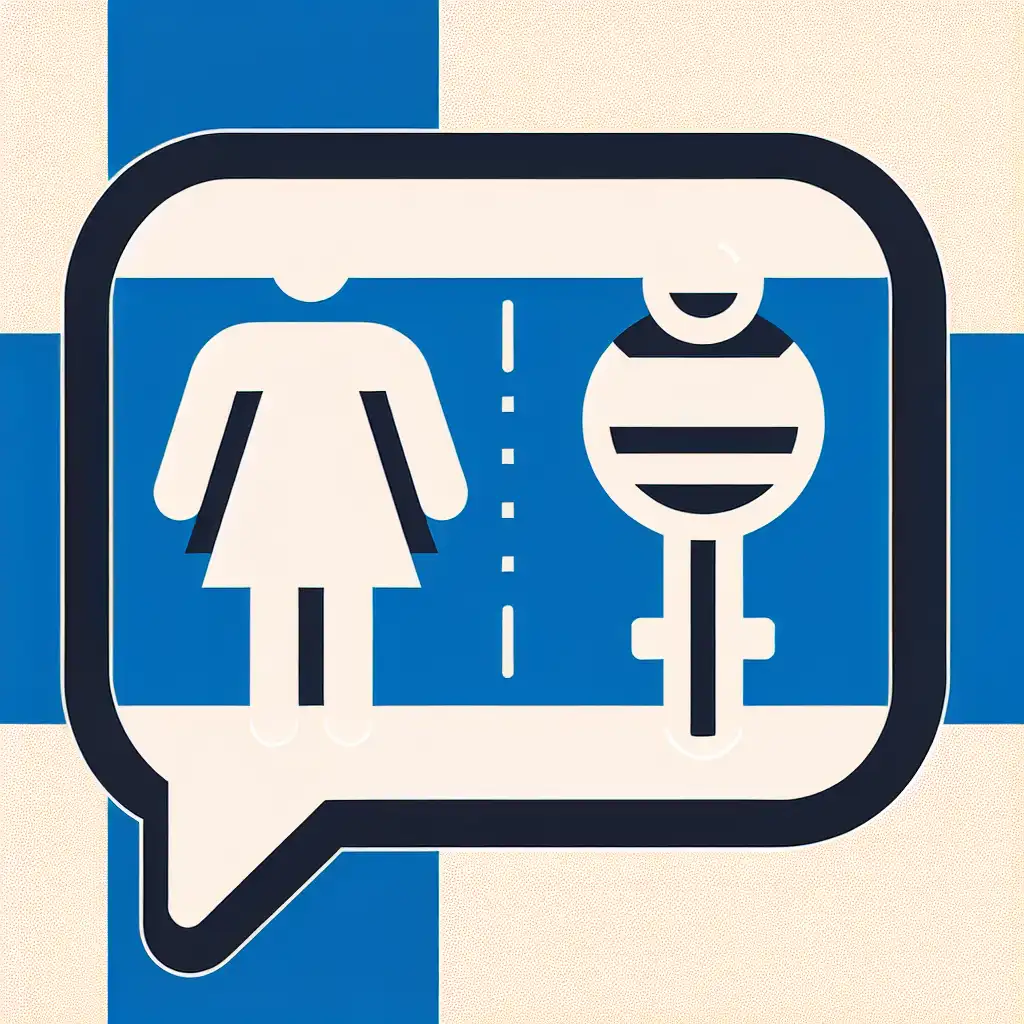
Relating to or denoting a noun that may refer to both male and female, or to a single gender.
In some languages, like Finnish, pronouns are epicene.
epicene
ˈepɪsiːn
読み込み中…
ˈepɪsiːn
Relating to or denoting a noun that may refer to both male and female, or to a single gender.
In some languages, like Finnish, pronouns are epicene.

ˈepɪsiːn
Having characteristics of both genders or no characteristics of either gender.
Alex presented themselves in an epicene manner, wearing clothing that could be seen as either masculine or feminine.

ˈepɪsiːn
A person or thing that possesses qualities of both genders or no gender.
Charlie, an epicene in her society, challenged the traditional gender roles.
音声を読み込めませんでした。しばらくしてからもう一度お試しください。
'Epicene' is a fancy way of describing things, people, or words that are not clearly male or female. For example, 'they' can be an epicene pronoun because it doesn't specify whether the person being referred to is a man or a woman. It can be used in formal or academic settings when discussing gender and language. However, it is not a commonly used word in everyday conversation.
Both androgynous and epicene describe a person or a style that doesn't fit traditional gender roles or has qualities of both genders.
Androgynous describes a person who has a mix of male and female characteristics, or someone who is neither stereotypically male or female.
Androgynous describes a person while epicene describes something that is gender-neutral or incorporates qualities from both genders.
単語を開く: Androgynous →Bisexual means a person is attracted to both male and female genders, while epicene means a person does not identify as either male or female.
Bisexual is applicable for describing sexual attraction towards both genders, while epicene is applicable for describing a non-binary gender identity.
単語を開く: Bisexual →