plinth
noun plinth
plɪnθ
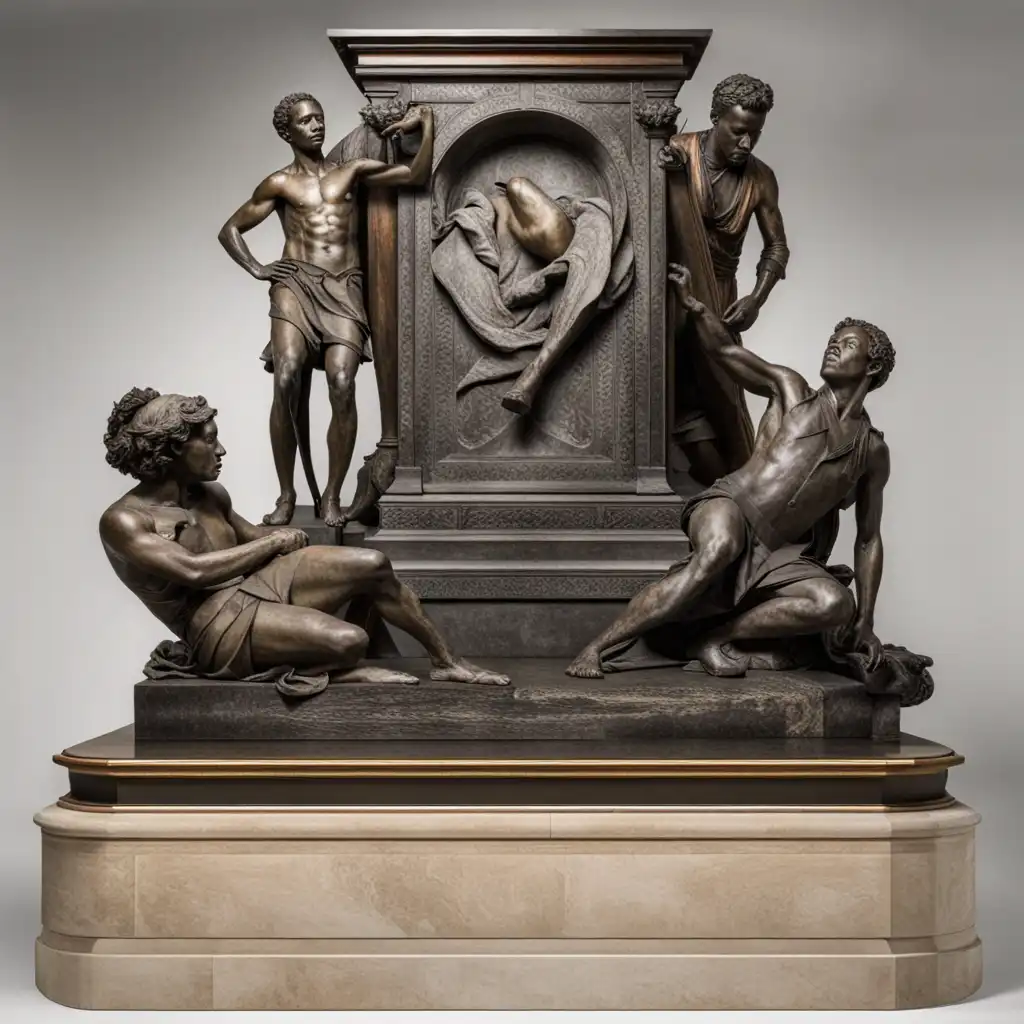
A heavy base supporting a statue or vase
The bronze sculpture was mounted on a stone plinth.
plinth
plɪnθ
लोड हो रहा है…
plɪnθ
A heavy base supporting a statue or vase
The bronze sculpture was mounted on a stone plinth.
plɪnθ
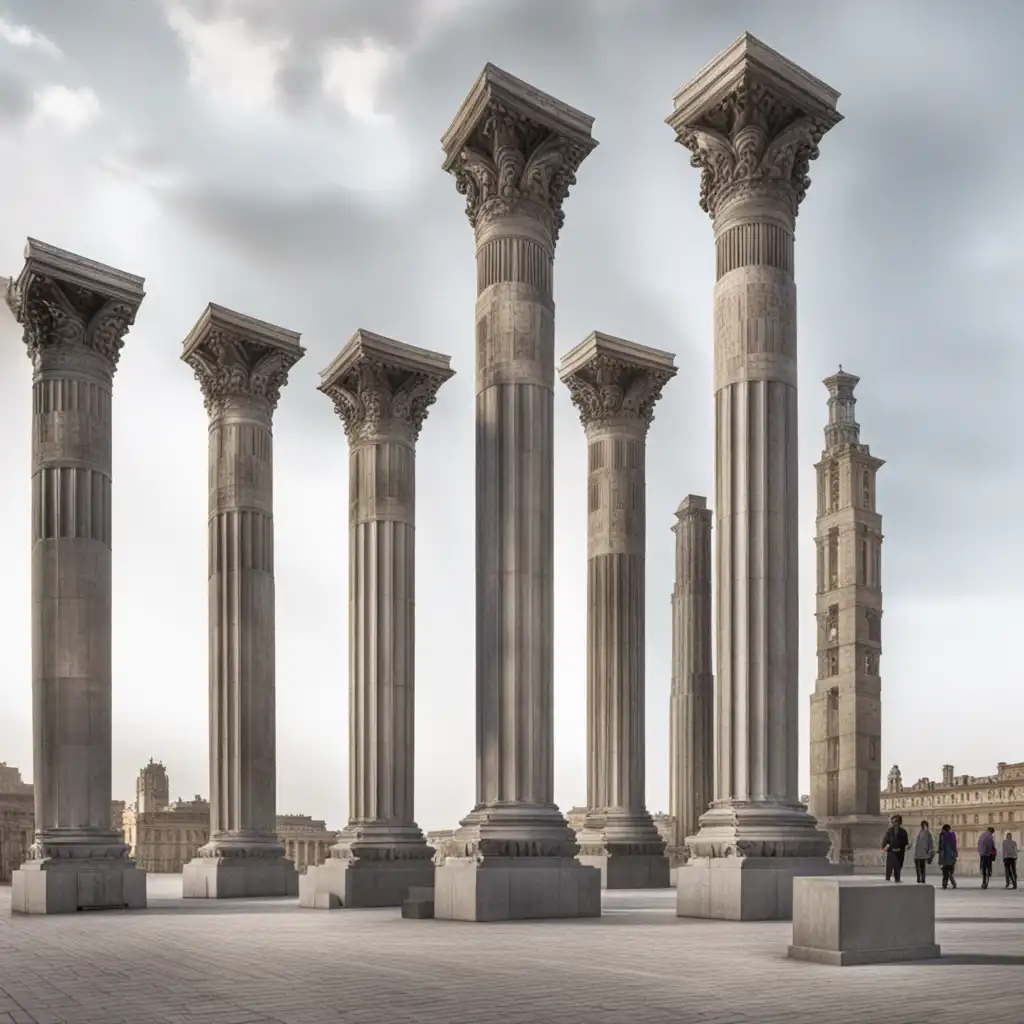
The lower square slab at the base of a column
The columns of the ancient building stood on large plinths.
ऑडियो लोड नहीं हो सका। कृपया बाद में फिर कोशिश करें।
A plinth is a raised platform or base that serves as a foundation for a statue, column, or other type of monument. It is usually made of stone, concrete, or wood and can be found in public areas like parks, public squares, or museums. The purpose of a plinth is to elevate and enhance the appearance of the object it supports, making it easier to see and admire. In everyday language, you might hear someone describe a statue as being "on a plinth" or refer to the "base" or "platform" that a particular object is standing on.
Base typically refers to the bottom support or foundation of an object or structure, like the base of a statue, a lamp, or a building.
A plinth refers to a specific type of base that's often used for decorative purposes, particularly for sculptures or monuments.
So while a base can refer to any kind of foundation or support, a plinth is a specific type of base used for decorative purposes, particularly for sculptures or monuments.
शब्द खोलें: Base →Foot generally refers to the lowest part of a structure or object on which it rests, such as the foot of a bed, the foot of a person, or the foot of a mountain.
A foot is a base that supports a structure or object, while a plinth is a base used for decorative or display purposes.
शब्द खोलें: Foot →Foundation refers to the part of a building or structure that is set below ground level and provides support for the rest of the structure.
Foundation is used for supporting the weight of a building or structure, while a plinth is used as a decorative base for artwork.
शब्द खोलें: Foundation →A pedestal is a support or base for statues, pillars, or other structures.
Pedestals can be made from a variety of materials, including stone, wood, or metal.
It is often wider and more stable than a pedestal, and it is commonly used to support large and heavy structures such as buildings or monuments.
A pedestal is a narrow and tall support used to elevate objects for display, while a plinth is a wider and more solid platform used to support heavy structures like buildings or monuments.
शब्द खोलें: Pedestal →A stand is a piece of furniture or equipment that is used to support or hold something up. This could include a plant stand, a music stand, or a TV stand.
Stands are usually made of wood, metal, or plastic and come in various sizes and shapes.
A plinth is a base used to elevate and display statues or other architectural features, while a stand is a piece of furniture or equipment used to support or hold something up.
शब्द खोलें: Stand →A substructure is a foundation or base that supports an entire structure. This includes the foundation of a building, bridge or any other large structure that requires a solid support.
The substructure is usually made of concrete or other strong materials and is designed to withstand weight and pressure.
A plinth is a decorative base used to elevate and support a single decorative element, while a substructure is a foundation that supports an entire structure.
शब्द खोलें: Substructure →A plinth is a solid base or platform that supports a statue or structure. It is a decorative feature that elevates the statue or structure and is often used for artistic or architectural purposes.
A support is any object or material that bears weight and helps to maintain the structural stability of an object.
A plinth is a decorative base used to elevate statues or structures, while a support is any component that bears weight and provides structural stability to a building or object.
शब्द खोलें: Support →Brain magic %\PIPE% Keith Barry
YouTube पर देखें ↗We once employed a girl in Texas to produce a fanzine, and after meeting her there she seemed fine. Then the letters started and they got strange and she began to claim we were an item. She also sent me a rhinestone cow bone sprayed silver and mounted on a plinth. Don't ask me why.
In New York, working at the foundry, I was making these little figures. I desperately would like to make big figures, but I just can't do it; my hands don't do it. We were talking about making bronze plinths, and then we made one, a square one. I wrote on it, then I put a little figure on top, and it just looked really good. It worked.