
segmentation
noun segmentation
ˌseɡmenˈteɪʃn
The process of dividing something into parts
The segmentation of the market into different age groups helped us target our products better.
segmentation
ˌseɡmenˈteɪʃn
加载中…
ˌseɡmenˈteɪʃn
The process of dividing something into parts
The segmentation of the market into different age groups helped us target our products better.

ˌseɡmenˈteɪʃn
In biology, the condition of being divided into segments
Segmentation occurs in the early stages of embryonic development.

ˌseɡmenˈteɪʃn
In computing, the division of data or memory into segments
Segmentation allows for better memory management in operating systems.
ˌseɡmenˈteɪʃn
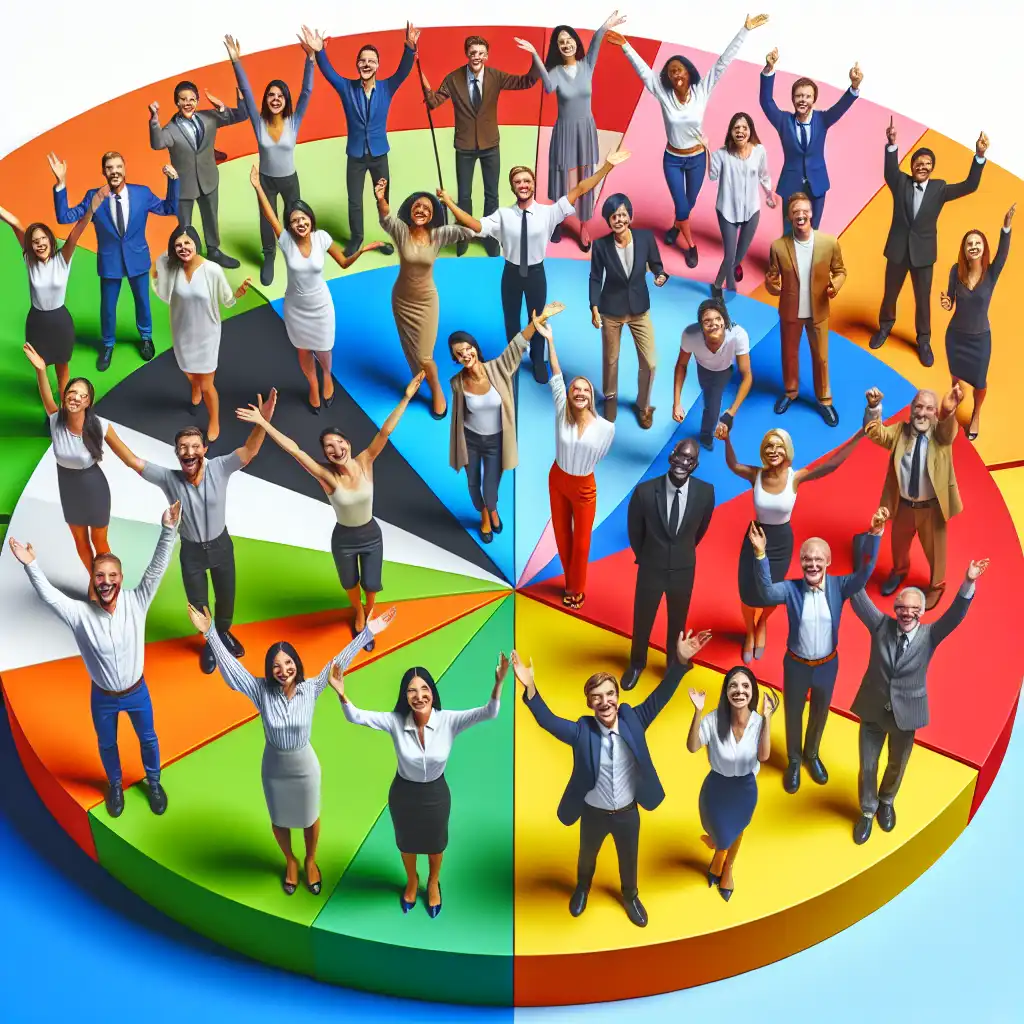
In marketing, the process of identifying and categorizing potential customers
Effective market segmentation leads to better marketing strategies.
ˌseɡmenˈteɪʃn
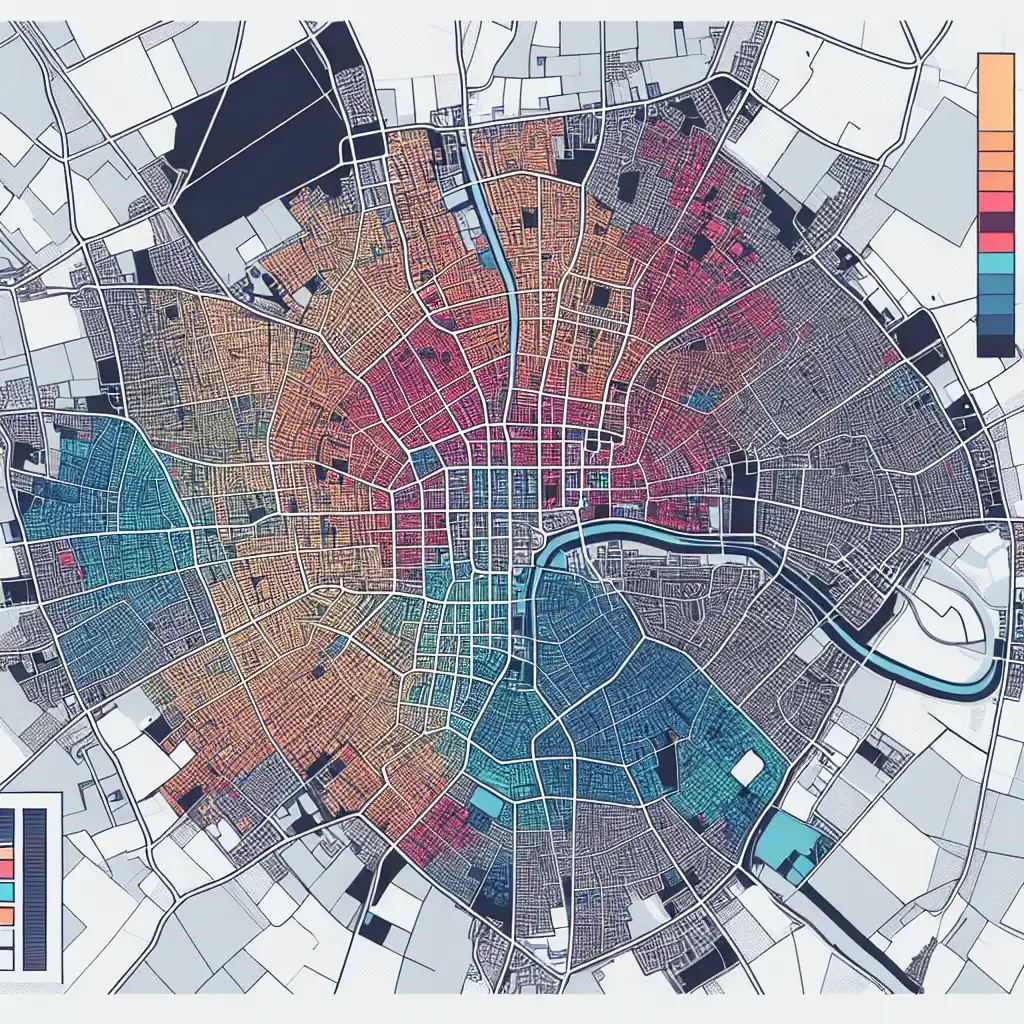
In geography, the division of an area into segments or zones
The city's segmentation into different districts aids in planning.
音频无法加载,请稍后再试。
Segmentation refers to the process of dividing something into smaller parts or sections. In business or marketing, segmentation might refer to dividing customers or markets into smaller groups with similar needs, interests, or characteristics. For example, a business might use segmentation to target specific groups of customers with tailored marketing messages or products. In linguistics, segmentation refers to breaking down words or sounds into smaller units for study or analysis. In general, segmentation is a common approach to breaking down complex systems or ideas into more manageable parts.
Categorization refers to grouping things together based on their common characteristics or properties. For example, we may categorize animals as mammals, reptiles or birds based on their physical characteristics, or we may categorize food items as fruits, vegetables or meats based on their nutritional properties.
Categorization is the act of organizing things into groups based on common characteristics, while segmentation is the act of dividing a larger group into smaller, more specific groups based on specific criteria.
打开单词: Categorization →Classification is the process of grouping things together based on their similarities or differences. For example, you can classify fruits based on their color, shape or taste.
Both of these terms are often used in the field of data analysis. In this context, classification is used to group data based on similarities and differences, while segmentation is used to divide data into smaller groups for further analysis.
Classification is used when you need to group things based on their characteristics, while segmentation is used to divide something into smaller parts for closer examination.
打开单词: Classification →Division refers to the process of separating something into smaller parts or groups. For example, a company may have different divisions for finance, marketing, and HR.
Division is used to organize something that already exists into smaller parts, while segmentation is used to create smaller groups out of a larger whole.
打开单词: Division →A fragment is a part of something that has broken off or separated from the whole.
For example, a broken piece of glass could be a fragment.
A fragment is a broken piece of something while segmentation is the process of dividing something into smaller parts.
打开单词: Fragment →Partition refers to dividing something into parts or sections whereas segmentation means dividing something into smaller pieces or segments.
For example, partitioning can be used when dividing a room into separate sections or when dividing a hard drive into separate sections to store data.
In simpler terms, partitioning is dividing something into larger parts or sections while segmentation is dividing something into smaller pieces or segments based on specific criteria.
打开单词: Partition →Separate means to divide or split something into distinct parts, often implying a physical or tangible separation. For example, you might separate laundry into darks and lights before washing them.
Segmentation is applicable when dealing with abstract or intangible things, such as markets or ideas, while separate is applicable when dealing with physical or tangible things.
打开单词: Separate →Stratification is the process of dividing a population or society into different layers based on factors like income, education, and social status.
For example, a sociologist might study how social stratification affects voting patterns in an election.
So, while segmentation is mainly used in marketing, stratification is a broader concept used in sociology and other fields.
打开单词: Stratification →Subdivision refers to dividing a larger area or piece of land into smaller sections. For example, a developer may subdivide a large piece of land into individual plots for residential homes.
Both segmentation and subdivision involve dividing something into smaller parts, but segmentation focuses on groups of people or things, while subdivision focuses on physical locations or pieces of land.
打开单词: Subdivision →The wonderful and...
在 YouTube 上观看 ↗Market segmentation s a natural result of the vast differences among people.
On spaghetti sauce -...
在 YouTube 上观看 ↗In flush times, a rising tide of consumption can compensate for less than optimal branding, positioning, pricing or segmentation.
The blockchain applications market is unravelling along a segmentation of activity that is spread along two sets of variables: private vs. public blockchains, and new vs. existing business models.
In our perform agenda, segmentation is one of our key strategic priorities. Segmentation is about deploying the right go-to-market channel to the right customers with the right pricing and the right cost to serve. And as a result, the segmentation strategy ensures that we generate profitable growth.