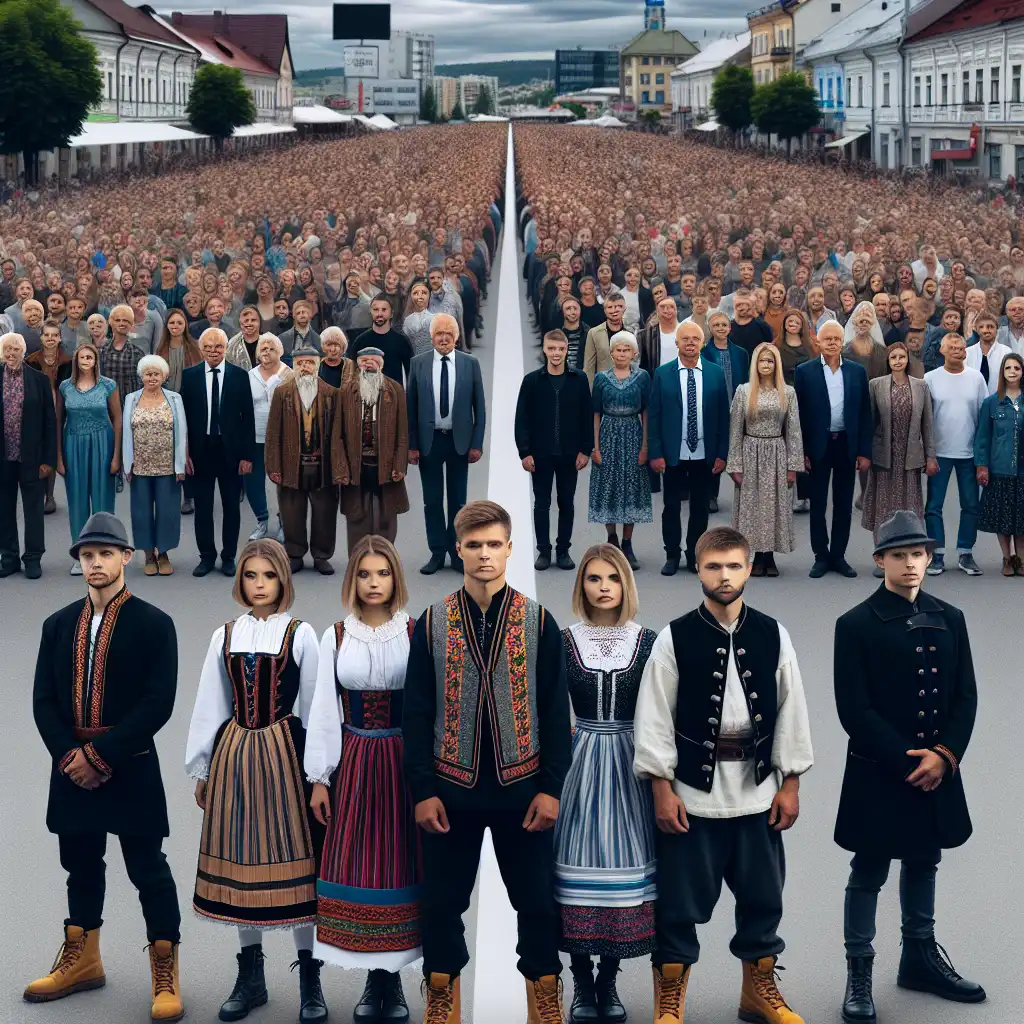
The word 'secessionist' is used to talk about a person or group of people who want to separate or break away from their country or government because they disagree with its policies or decisions. It is usually used in a political context, and can be used to describe movements or actions aimed at achieving separation or independence from a larger entity. For example, some people in Catalonia, Spain are secessionists, as they want to create an independent state separate from Spain.
Insurgent refers to a person or group that is rebelling against an established authority or government. Insurgents may use violent or non-violent means to advance their goals, which might include changing the existing political or social structure or gaining more freedom or independence.
Insurgent is a broader term than secessionist. Insurgents may have a wider range of goals, while secessionists are specifically seeking independence or autonomy.
Rebel refers to someone who rises up against an existing authority or government. This can apply to a group or individual engaging in violent or nonviolent actions in opposition to those in power.
A rebel may seek to overthrow the existing government or establish a new one.
Both terms can be used in political contexts, but they differ in their focus. Rebels may or may not be seeking independence from an existing government, while secessionists are specifically seeking to create a new independent entity.
A schismatic is someone who disagrees with the established rules or beliefs of a group or organization, and may try to break away or form a separate group.
So, in short, a schismatic is someone who disagrees with an organization's beliefs or rules, while a secessionist is someone who wants to break away from a larger group or government.
A separatist is someone who wants to create a new political entity within an existing nation. This may involve establishing a new state or province within the existing nation or seeking greater autonomy for a particular region or ethnic group.
Secessionism tends to be more radical and confrontational, while separatism can be more moderate and focused on achieving meaningful reforms within the existing political framework.