alabaster
noun alabaster
ˈæləbæstər
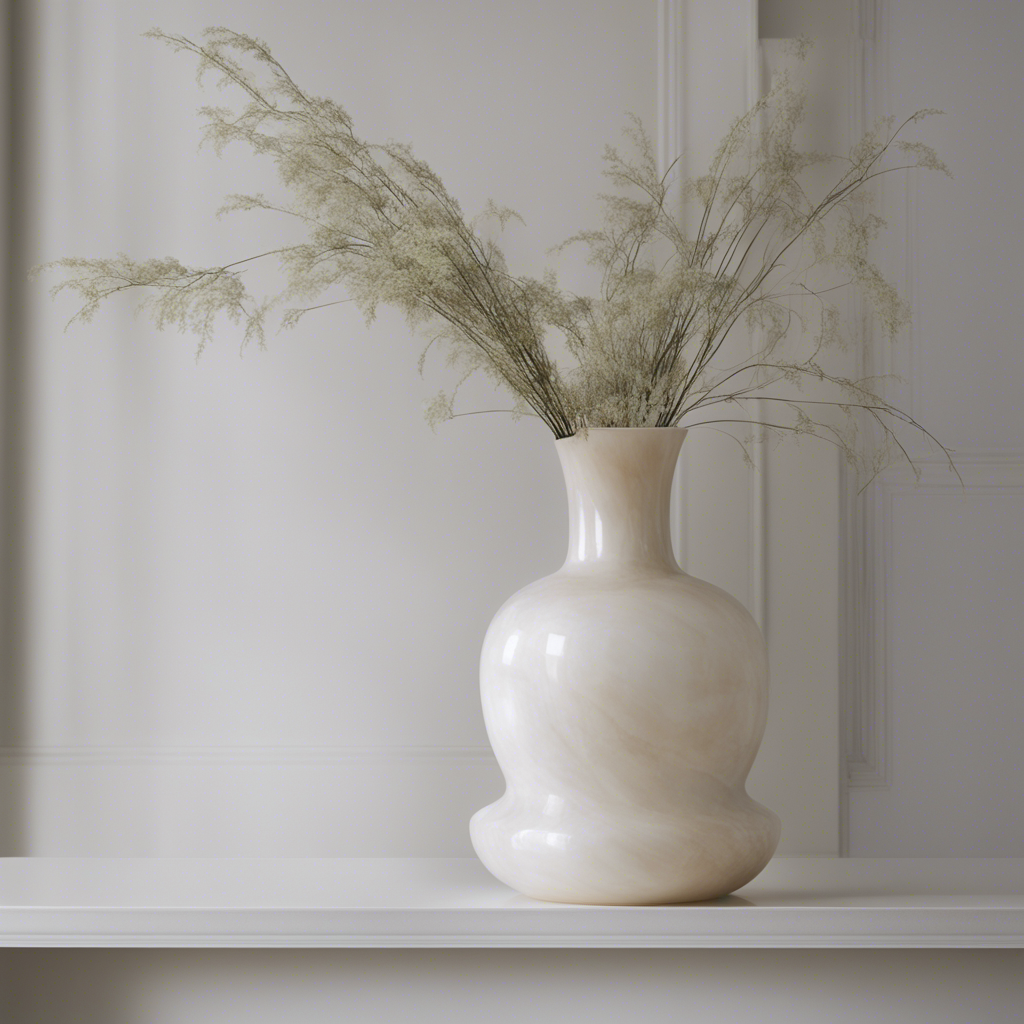
A type of very light, white or slightly tinted stone
A vase made out of alabaster was standing on a mantelpiece.
alabaster
ˈæləbæstər
読み込み中…
ˈæləbæstər
A type of very light, white or slightly tinted stone
A vase made out of alabaster was standing on a mantelpiece.
ˈæləbæstər
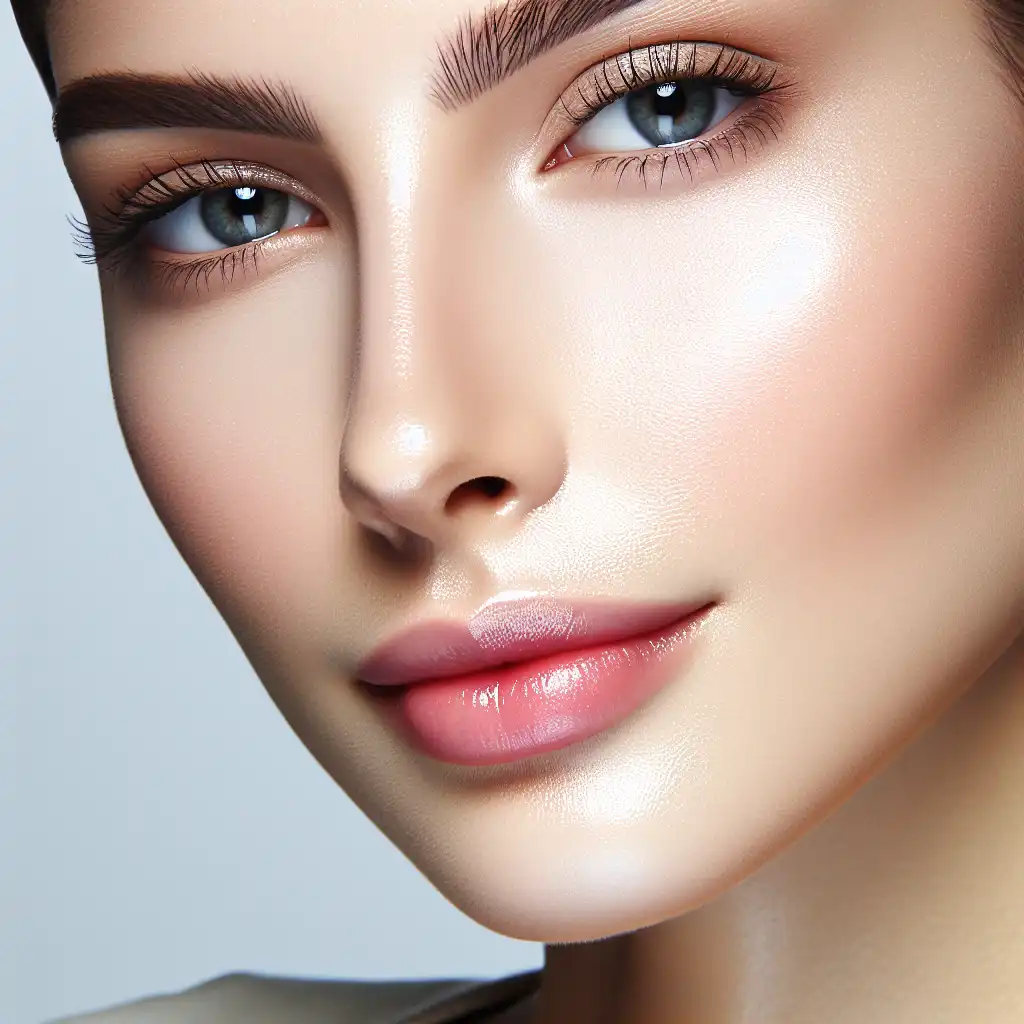
Describing something as being as smooth and pale as alabaster stone
She had alabaster skin, so smooth and flawless.
音声を読み込めませんでした。しばらくしてからもう一度お試しください。
Alabaster is a word used to describe a type of light-colored, translucent stone that is often used to make decorative sculptures, vases, or other ornamental objects. Alabaster can also be used to describe a pale, white or cream-colored complexion. To use the word 'alabaster' correctly, you might say "The sculpture was carved from alabaster," or "She had an alabaster complexion."
It is often used in sculptures or decorative objects. Bone is a hard, white material that makes up the skeleton of vertebrates.
It is found in the human body and animals as well. Alabaster is mainly applicable for decorative purposes while bones are important for the human body frame and support.
単語を開く: Bone →Both alabaster and chalky refer to something that is white and has a powdery texture, but there are subtle differences.
Chalky describes a material that is rough and dry, like actual chalk or a cheap, low-quality paint.
Alabaster is more refined and elegant, while chalky is more basic and simple. The choice of word depends on the context and the intended meaning.
単語を開く: Chalky →Alabaster and cream are two different colors. Alabaster is a shade of white that has a slight pink or yellow tint to it. Cream is a much warmer shade of white with a yellow tone.
Alabaster is often used in descriptions of sculptures, while cream is commonly used in descriptions of paint or interior design.
Alabaster is a cooler and more delicate color, while cream is warmer and more comforting.
単語を開く: Cream →Alabaster & Ivory are two different materials.
Ivory is a dense, hard material that is derived from the teeth and tusks of animals.
Both alabaster and ivory have been used for decorative purposes throughout history, but they have different properties and uses.
Alabaster is more delicate and fragile than ivory, making it suitable for decorative objects that won't be subject to wear and tear.
Ivory is more durable and can withstand more use, which is why it has been used for objects like billiards balls and piano keys.
In summary, while both alabaster and ivory have been used for decorative purposes, they are different materials with different properties and uses.
単語を開く: Ivory →Alabaster is a term used to describe a type of stone, while pearl is a term used to describe a type of gemstone formed by living organisms.
Pearl is a type of gemstone that is formed inside the shells of certain mollusks, such as oysters. They are prized for their luster and natural beauty and are often used to create jewelry.
Alabaster is a type of stone, while pearl is a type of gemstone formed by living organisms.
Alabaster is often used for carving or making decorative objects, while pearls are usually used for jewelry.
単語を開く: Pearl →Alabaster and porcelain are both materials used to make objects, but they have different properties and uses. Alabaster is a soft, translucent stone that can be carved into decorative objects such as lamps, vases, and figurines.
It is also used for sculpture and architectural elements like columns and countertops. Porcelain is a hard and durable type of ceramic that is fired at high temperatures to create smooth and glossy surfaces.
It is often used for tableware, bathroom fixtures, and decorative objects like figurines and tiles. Alabaster is a type of stone used for decoration and construction, while porcelain is a type of ceramic used for practical and decorative objects.
単語を開く: Porcelain →Alabaster and pure are both words that describe something that is free from impurities.
Pure is a more general term that can describe a wide range of things, including physical objects, emotions, thoughts, and actions.
Something that is pure is completely clean and free from any contaminants or negative qualities. For example, you might describe a fresh mountain stream as pure, or a person's intentions as 'pure of heart'.
In conclusion, while both alabaster and pure can describe things that are clean and free from impurities, alabaster is more specific to physical objects or appearances, and pure can be applied in a wider range of contexts.
単語を開く: Pure →Snowy describes things that are covered in snow or that have snow on them.
Alabaster is a color description that refers to a very light, opaque white, while snowy describes objects that are white because they are covered in snow.
単語を開く: Snowy →Alabaster is a type of white-colored mineral that is often used in sculpture and is known for its translucent quality. It usually has a slightly off-white hue, sometimes with a pink or yellow tint.
The word ‘alabaster' is often used to describe a pale, delicate shade of white.
On the other hand, ‘white’ is a color that describes a bright, clear color often found in snow, milk, or paper. Unlike alabaster, white does not have a translucency feature.
In simple terms, ‘alabaster’ is a type of white that has a soft, delicate quality and can refer to an object made from the mineral.
‘White’ is a general term for a clear, bright, and simple color that can be applied to a wide range of things.
単語を開く: White →How do you build a...
YouTube で見る ↗More than anything else, my mother wanted to be an actress - a famous actress - which in the 1950s was all about being young, sexy, and available. She was all that, and more. She had big blue eyes, alabaster skin, a heart-shaped face, a beautiful figure. She was just a knockout.