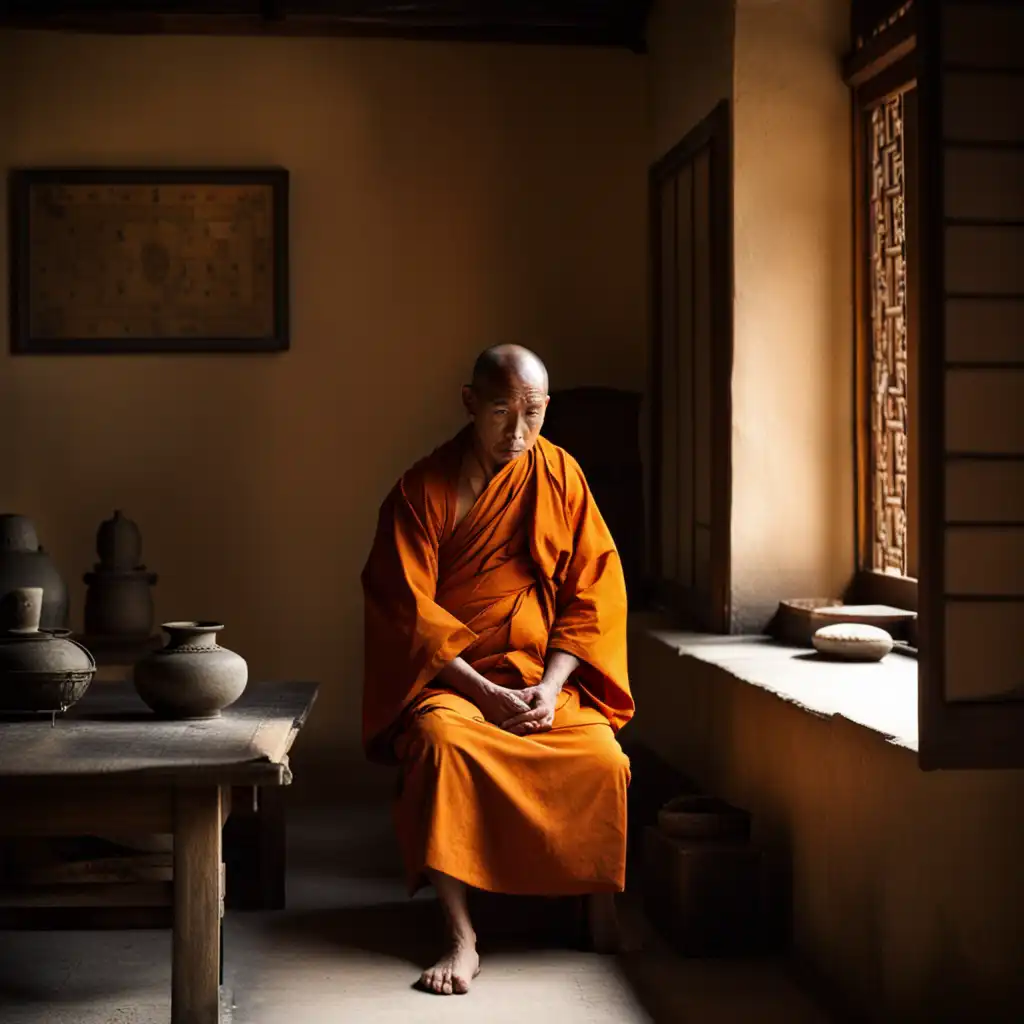
monkish
adjective monkish
ˈmʌŋkɪʃ
resembling or behaving like a monk, or monk-like habits
His austere and monkish lifestyle astonished most people who knew him.
monkish
ˈmʌŋkɪʃ
Đang tải…
ˈmʌŋkɪʃ
resembling or behaving like a monk, or monk-like habits
His austere and monkish lifestyle astonished most people who knew him.
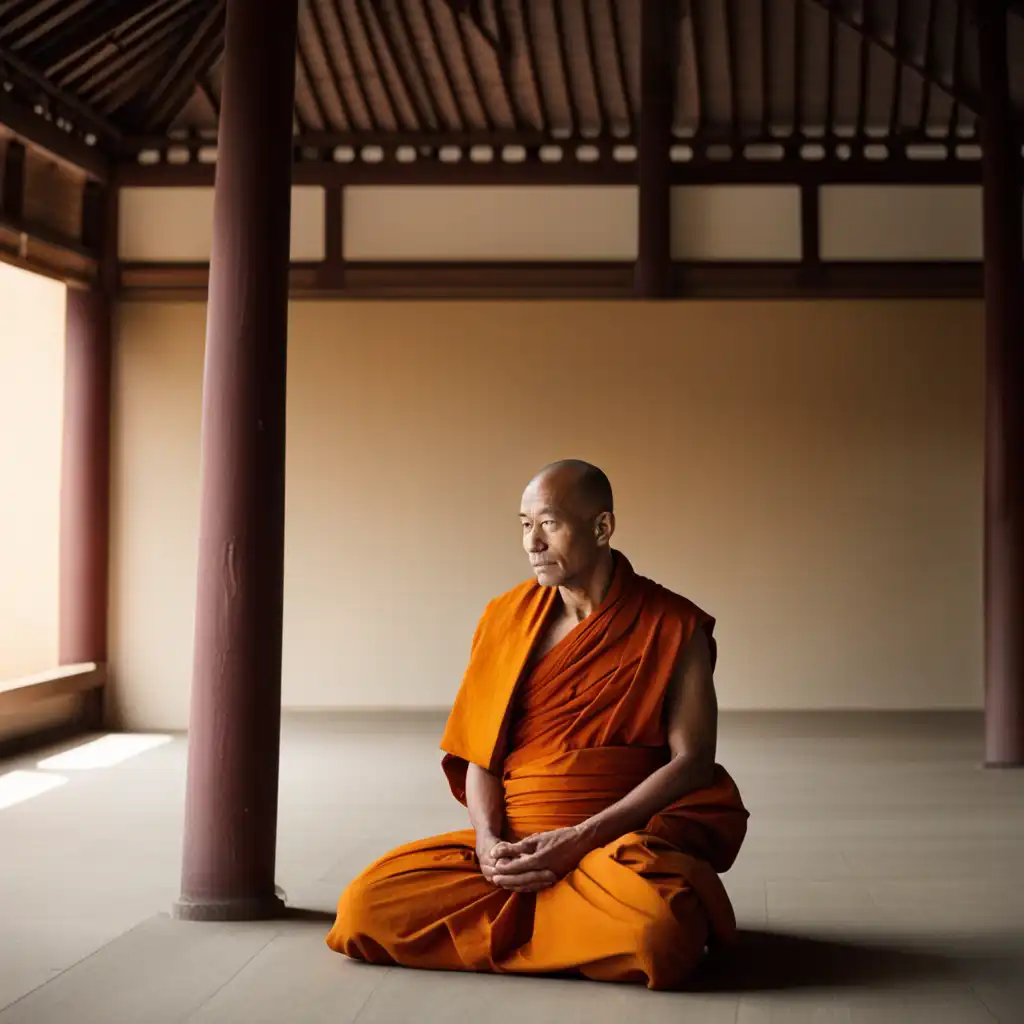
ˈmʌŋkɪʃ
Avoiding physical pleasure, especially as a form of religious devotion
He lived a monkish life, abstaining from physical pleasures and dedicating himself to prayer and meditation.
Không tải được âm thanh. Vui lòng thử lại sau.
The word 'monkish' means to be like a monk, who is a person who dedicates their life to religious devotion and spends most of their day in contemplation, prayer, and meditation. It can be used to describe someone who is very disciplined, quiet, and self-controlled, or something that has a simple and unadorned appearance. For example, you could say "She has a monkish lifestyle, spending most of her time studying and meditating" or "The building had a monkish atmosphere, with its plain walls and austere furnishings."
Ascetic refers to someone who practices self-discipline and restraint, often for religious or spiritual reasons.
An ascetic may live simply, without many material possessions, and may fast or abstain from certain pleasures.
In short, asceticism focuses on personal discipline and restraint, while monasticism involves living in a religious community and following a set of communal rules or vows.
Both words are generally applicable in religious contexts, but asceticism can be applied more broadly to any practice of self-discipline or self-denial.
Mở từ: Ascetic →Austere means very plain and without any unnecessary comforts or decorations, often used to describe a person's lifestyle or the design of a room or building.
Austere is applicable when describing something that is basic or lacking in luxury, while monkish is applicable when describing someone who is living a simple, isolated life.
Mở từ: Austere →Celibate means abstaining from sexual relations, while monkish refers to the lifestyle associated with monks, who typically live a life of celibacy and devotion to religious practices.
Celibate can apply to anyone who chooses to abstain from sexual activity regardless of their religious beliefs, while monkish typically relates to those who choose a religiously-based lifestyle centered on celibacy and spiritual devotion.
Mở từ: Celibate →Contemplative refers to someone who spends a lot of time thinking, reflecting and meditating. This can be applicable to anyone, regardless of their religious beliefs or profession.
For example, an artist or a writer may be contemplative while working on their craft.
Contemplative is a broader term that refers to someone who is deep in thought, while monkish specifically applies to someone who follows the lifestyle of a monk.
Mở từ: Contemplative →Devout means deeply religious or sincerely devoted to a particular faith or belief. It is applicable to anyone who has a strong belief in their religion and follows its principles.
Thus, devout is generally used for people who follow a religion, while monkish is used for people living a contemplative or ascetic lifestyle, similar to that of a monk.
Mở từ: Devout →Pious refers to someone who is deeply religious and devout. It is applicable when describing someone's religious beliefs or practices.
Pious describes a person's religious fervor or devotion, while monkish describes their lifestyle and level of detachment from worldly affairs.
Mở từ: Pious →Monkish refers to someone who lives like a monk, meaning they live a very simple and disciplined life. Religious refers to someone who believes in a particular religion and follows its practices and teachings.
Monkish is typically used to describe someone's behavior or lifestyle, while religious describes someone's beliefs and practices.
A person who is religious may not necessarily live a simple or disciplined life like a monk, but they follow the teachings and practices of their chosen religion.
Monkish relates to lifestyle and behavior, while religious relates to belief and practice.
Mở từ: Religious →Spiritual means relating to or embodying the spirit, which could be interpreted as something beyond the physical world or connected to a higher power.
Mở từ: Spiritual →Can Primates be Human...
Xem trên YouTube ↗I tend to be a bit of a hermit. A bit monkish. I like to tune out the context.