
flakiness
noun flakiness
ˈfleɪkinəs
The quality of being unpredictable or unreliable
Her friends were used to her flakiness and didn't take it personally when she would abruptly cancel plans.
flakiness
ˈfleɪkinəs
読み込み中…
ˈfleɪkinəs
The quality of being unpredictable or unreliable
Her friends were used to her flakiness and didn't take it personally when she would abruptly cancel plans.
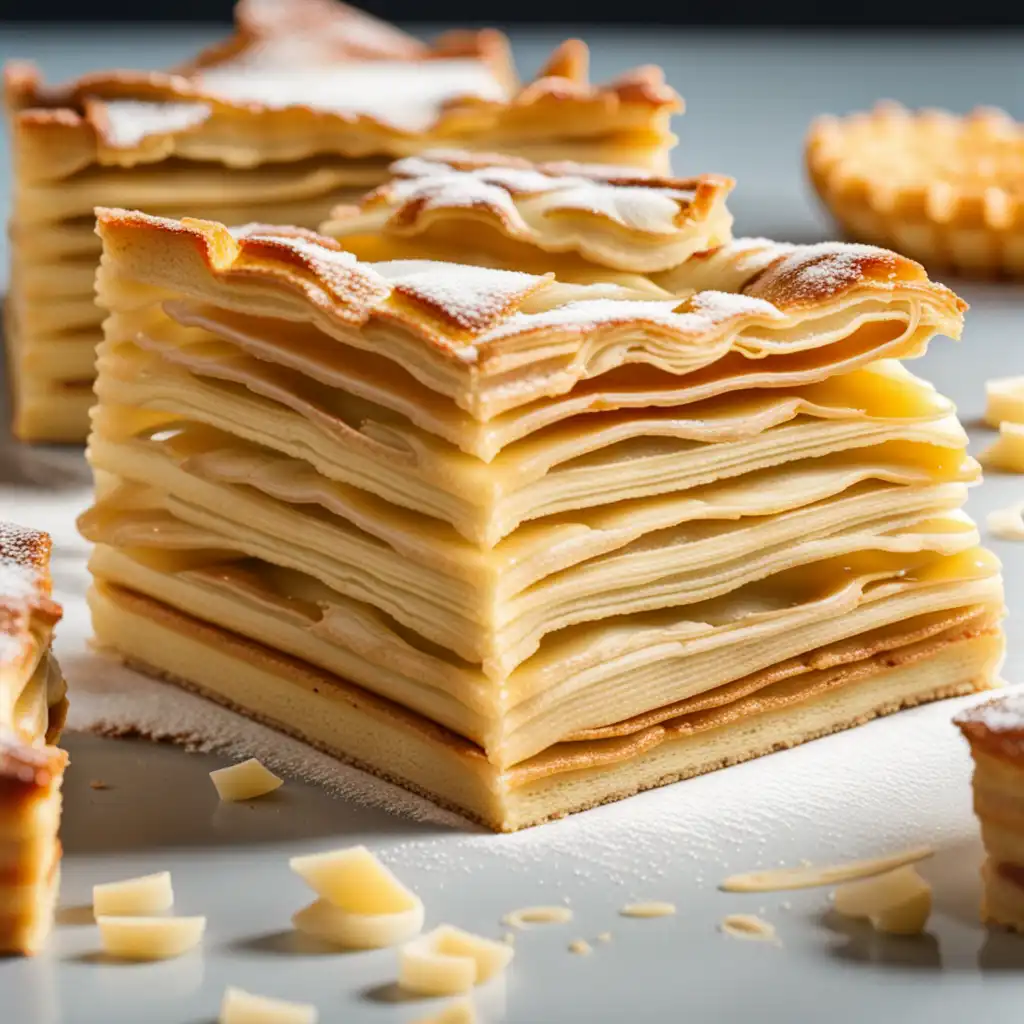
ˈfleɪkinəs
The characteristic of something being easily broken into small pieces or layers
The flakiness of a good pastry is what sets it apart from a mediocre one.

ˈfleɪkinəs
The condition of skin being dry and falling off in small, thin pieces
The patient's flakiness has decreased after using the prescribed ointment.

ˈfleɪkinəs
The state of not being firm or steady
The flakiness of the weather made it difficult to plan for the outdoor event.
音声を読み込めませんでした。しばらくしてからもう一度お試しください。
Flakiness is a word used to describe someone who is unreliable or inconsistent. It can be used to refer to someone who changes their plans at the last minute, forgets important appointments or commitments, or doesn't follow through on promises. The word is often used in a negative context and indicates a lack of trustworthiness or dependability. For example, if someone cancels plans with you frequently, you might say that they are being flaky.
Consistency refers to the quality of being constant, reliable, and steady. It implies that something or someone is dependable and can be counted on.
In practical terms, consistency is applicable when we want to achieve a goal or maintain a certain standard. For example, consistency in studying will help us achieve good grades.
Consistency in exercise will help us stay healthy and fit.
It can lead to broken promises, missed deadlines, and unreliable behavior. It is better to strive for consistency, which will help us build trust and reliability in our relationships and work.
単語を開く: Consistency →Fickle means to frequently change your mind or opinion about something, often without any good reason. For example, a person who is fickle might say they dislike something one day and then suddenly love it the next day.
Fickle describes a person's inclination to change their mind constantly, while flakiness describes a person's lack of reliability and consistency in their actions.
単語を開く: Fickle →Flakiness refers to inconsistency or unreliability, whereas instability refers to being unsteady or prone to change.
Instability often refers to things that are unsteady or prone to change over time. This could apply to physical objects like structures or equipment that are not sturdy or secure.
Overall, while both flakiness and instability suggest some degree of unreliability, flakiness tends to be associated with inconsistency or lack of dependability, while instability suggests a greater degree of volatility or unsteadiness over time.
単語を開く: Instability →Irresponsibility refers to a lack of accountability or care for one's own actions.
Flakiness is about inconsistency and unreliability, while irresponsibility is about neglect or carelessness. Both can be negative traits, but they apply to different situations.
単語を開く: Irresponsibility →Flakiness refers to inconsistency and unreliability in behavior, whereas predictability refers to consistency and reliability in behavior.
Predictability is applicable when someone's behavior is consistent and reliable, making it easier for others to trust and depend on them.
単語を開く: Predictability →Volatility refers to something that is unstable or unpredictable. It is commonly used when talking about the stock market, where prices can fluctuate rapidly and unexpectedly.
Flakiness refers to a lack of reliability or consistency, while volatility refers to unpredictability or instability.
単語を開く: Volatility →