entomb
verb entomb
ɪnˈtuːm
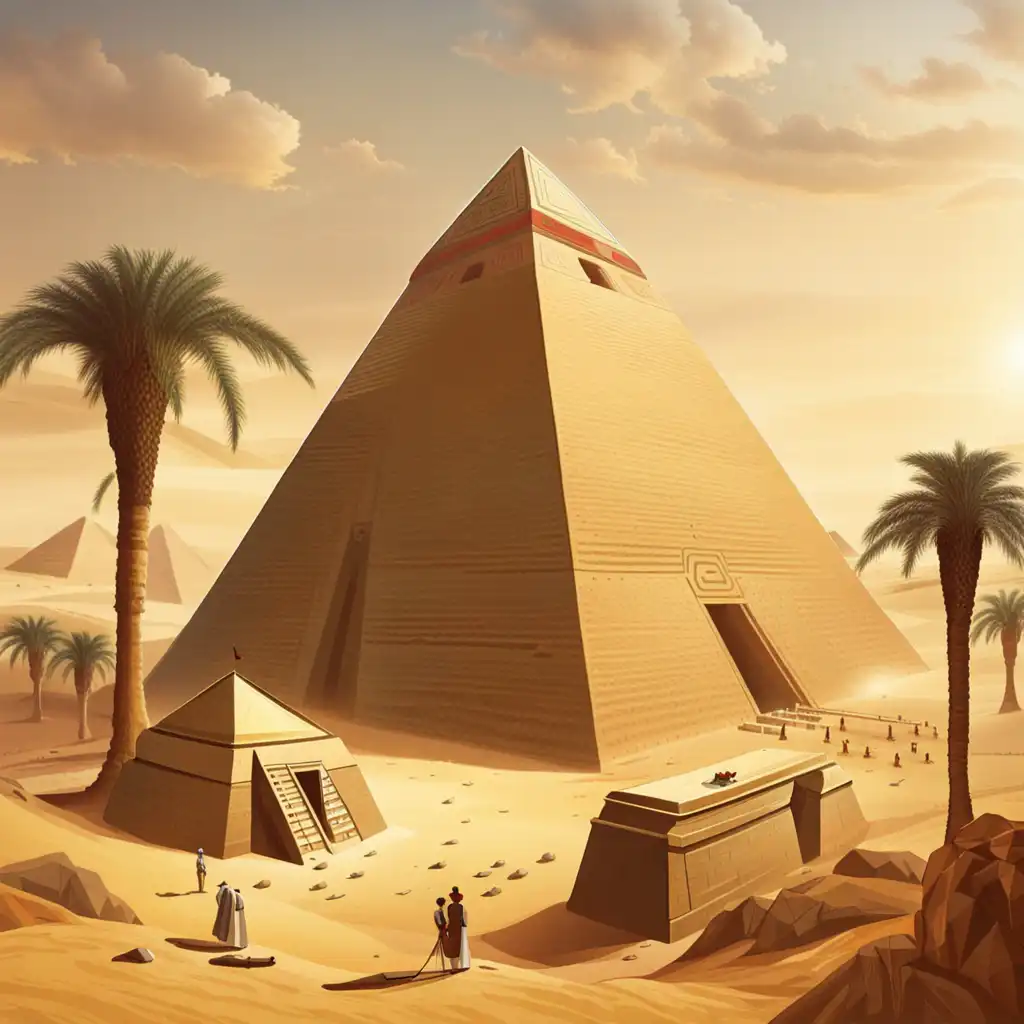
To put a dead body in a tomb or grave.
The pharaohs of ancient Egypt were entombed in pyramids.
entomb
ɪnˈtuːm
Loading…
ɪnˈtuːm
To put a dead body in a tomb or grave.
The pharaohs of ancient Egypt were entombed in pyramids.

ɪnˈtuːm
To trap or enclose something within a substance or space.
The sculpture was entombed in ice after the freeze.
Audio could not be loaded. Please try again later.
The word 'entomb' means to bury something or someone in a tomb, which is a place where dead bodies are laid to rest. This word is usually used when talking about funerals or burials, and is commonly associated with death and mourning. For example, we might say that a famous person was entombed in a grand mausoleum or that a family buried their loved one in a simple grave. It is a formal and serious word, and is not often used in casual conversations.
Bury means to place a dead body in the ground and cover it with earth, usually in a cemetery. It is applicable to traditional funeral customs.
Bury is used when a body is placed in the ground, and entomb is used when a body is placed above ground or in an enclosed space.
Open word: Bury →A coffin is a box used for burying a dead person.
It is typically made of wood and has a hinged lid so the body can be placed inside. Coffins are used in burials and funerals.
Entombing can be used in a wide range of funeral practices, but it typically refers to placing a body or remains into a more permanent resting place than a coffin.
A coffin is a box used for burying a dead person, while entombing refers to placing the body into a more permanent resting place, often in a tomb.
Open word: Coffin →Crypt refers to a room or chamber, usually located beneath a church or mausoleum, used to store the remains of deceased individuals.
Crypts are often used for religious or historical purposes and can be visited by the public.
So, in short, crypts are places where the remains of the dead are stored, while entombment refers to the act of burying or placing a dead body in a tomb or grave.
Open word: Crypt →Grave usually refers to a hole in the ground where a body is buried.
Entomb is used when referring to a more elaborate and formal process of burial, while grave can refer to any kind of burial, with or without a headstone or other markers.
Open word: Grave →Inter means to bury or place someone or something in a grave or tomb, typically in the ground. It is applicable when referring to burying something underground in a cemetery or other burial site.
The main difference between the two words is that entomb suggests a more enclosed burial, while inter suggests a burial in the ground.
Open word: Inter →Entomb means to bury or place a body in a tomb, while a mausoleum is a large, impressive building or structure where one or more people are buried or entombed.
A mausoleum is a fancy building designed specifically to house tombs or burial chambers.
Mausoleums can also have above-ground tombs, which means that people can be interred without being entombed.
Entomb refers to the act of placing a body in a tomb, while mausoleum refers to the building or structure that houses a tomb or burial chamber.
Open word: Mausoleum →Sepulchre is also used to refer to a burial site, but it is more specifically used to describe a large, elaborate tomb or burial chamber.
Entomb refers to burying someone in a tomb or grave, while sepulchre specifically refers to an elaborate tomb or burial chamber.
Open word: Sepulchre →Tomb refers to a structure built to hold the remains of a deceased person, often used interchangeably with "grave." Entomb, on the other hand, means to place a body or object in a tomb, often implying a certain level of ceremony or reverence.
In simpler terms, tomb refers to a place where a dead person is buried, while entomb means to bury or inter a body, often with a sense of importance or ritual.
Open word: Tomb →How My Mind Came Back to...
Watch on YouTube ↗The abuse dies in a day, but the denial slays the life of the people, and entombs the hope of the race.
Snowball Earth? %\PIPE%...
Watch on YouTube ↗Whether or not you believe that after three days of being dead and entombed, Jesus got up and walked out of his own accord, what you cannot argue about is the fervent belief of the followers that this happened.
Parasite tales: The...
Watch on YouTube ↗Enclosed by a sand berm four miles around and 160 feet high, the Baghdad Nuclear Research Facility entombs what remains of reactors bombed by Israel in 1981 and the United States in 1991. It has stored industrial and medical wastes, along with spent reactor fuel.
Building community in...
Watch on YouTube ↗