stimulus
noun stimulus
ˈstɪmjələs
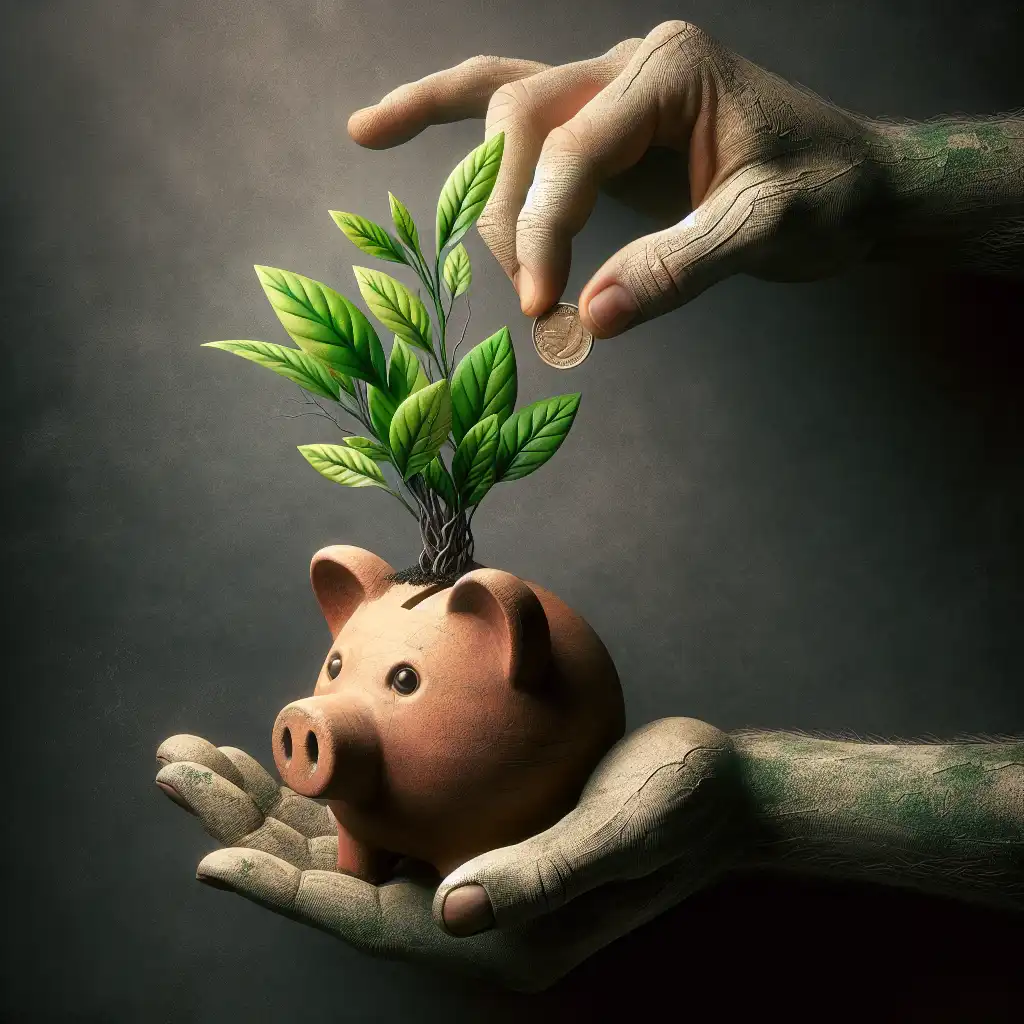
Something causing a reaction or a change
The government's tax cuts were a stimulus for economic growth.
stimulus
ˈstɪmjələs
Loading…
ˈstɪmjələs
Something causing a reaction or a change
The government's tax cuts were a stimulus for economic growth.

ˈstɪmjələs
An injection of money to help economy or business
The central bank may use monetary stimulus to boost the economy.

ˈstɪmjələs
Something that encourages activity or growth
The competition was a stimulus to her creativity.
ˈstɪmjələs
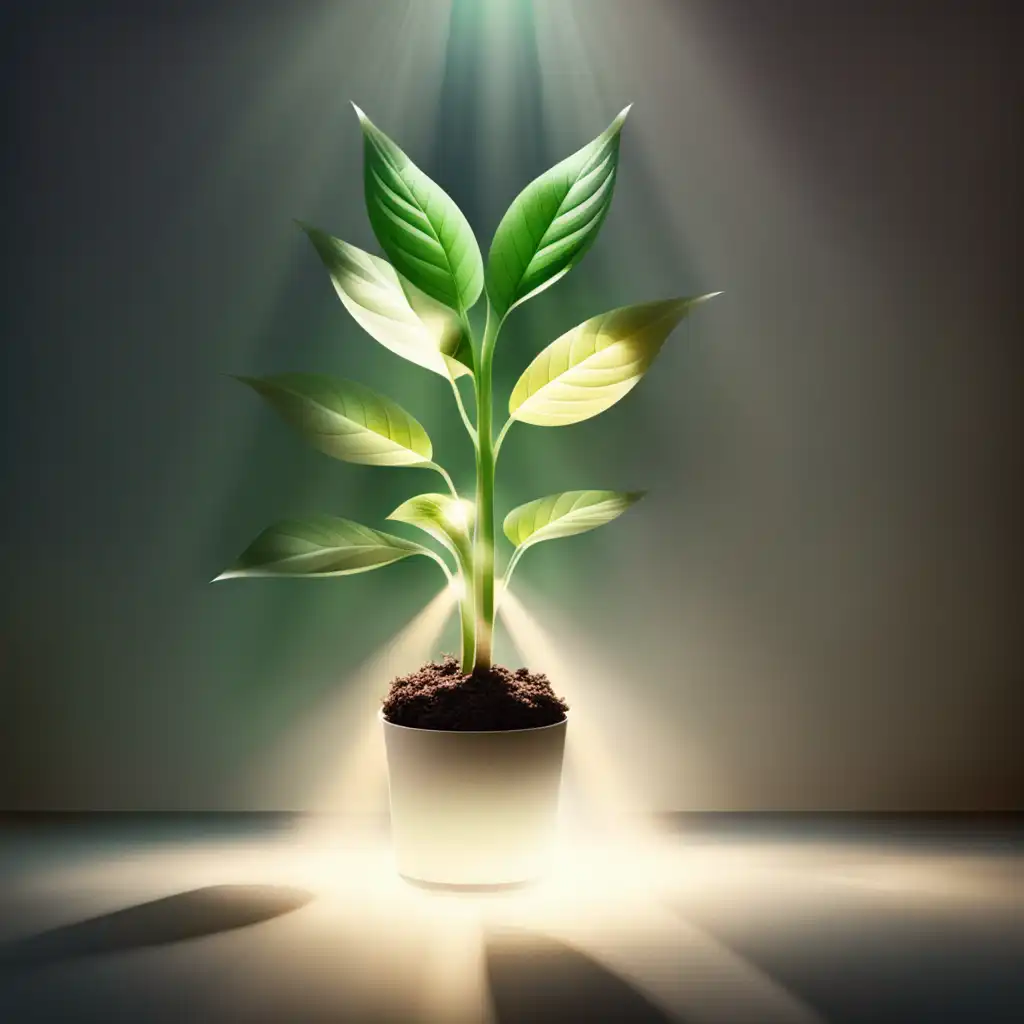
A signal given to a living organism to cause a response
The plant reacted to the stimulus of light.
Audio could not be loaded. Please try again later.
The word 'stimulus' is used to describe something that causes a response or reaction from a person or animal. It can be anything that triggers a reaction like a loud noise, a bright light, or even a good smell. In economics, 'stimulus' refers to government spending or tax cuts intended to boost economic activity. So, overall, the term 'stimulus' relates to a force that causes a change or action in someone or something, either physically or financially.
A catalyst is something that speeds up a chemical reaction without getting used up in the process. For example, an enzyme in our body acts as a catalyst and speeds up the digestion process.
While both are related to a reaction or response, a catalyst specifically refers to chemical reactions, while a stimulus can be broader and applied to any system or organism.
A catalyst speeds up the process, while a stimulus triggers a reaction.
Open word: Catalyst →Impetus and stimulus both refer to something that causes or motivates action or change.
However, impetus is more commonly used to describe a driving force that propels something forward or gives it momentum, while stimulus is used more generally to describe any kind of trigger or incentive.
For example, if someone says that getting a good grade on a test was the impetus for them to study harder, it means that achieving that particular goal gave them the momentum to continue working hard in school.
Impetus describes a more specific, powerful driving force, while stimulus is a broader term that can refer to any kind of incentive or trigger.
Open word: Impetus →An incentive is something that is offered to encourage or persuade someone to do something. It's like a reward or a prize that motivates a person to act in a certain way.
For example, a company might use incentives, like bonuses or promotions, to motivate employees to work harder.
In summary, incentives are rewards that encourage action, while stimuli are triggers that cause a reaction. Incentives are applicable in situations where motivation is needed, while stimuli are used to elicit a response or reaction.
Open word: Incentive →Incite means to encourage or provoke someone to do something usually negative or violent. Whereas, stimulus refers to something that causes a response or reaction, usually in a positive or neutral sense.
For example, loud music might be a stimulus for dancing, while hateful speech might incite violence. Incite is generally used in a negative way, while stimulus can be used in both positive and negative contexts.
Open word: Incite →Motivate means to encourage someone to do something.
It is used when you want to inspire someone to take action or achieve a goal. For example, a coach might motivate their team to work hard in order to win the game.
The main difference between motivate and stimulus is that motivate is used when talking about inspiring someone, while stimulus is used when talking about triggers or causes for a reaction.
Open word: Motivate →Propellant refers to anything that propels an object forward or makes it move faster. It is commonly used to describe the fuel used to power rockets or other vehicles.
Propellants contain chemicals that react to produce a powerful thrust and propel the vehicle forward.
In brief, propellant is related to the movement or speed of an object while stimulus is related to the response or reaction of an organism or system.
Open word: Propellant →Provocation refers to something that causes a negative or strong emotional response in someone, especially anger or offense.
Provocation is something negative that intentionally upsets someone, while a stimulus is something that triggers a positive reaction or response.
Open word: Provocation →Both spur and stimulus refer to something that causes an action or reaction.
However, spur typically means to encourage or prompt someone to take action, while stimulus refers to anything that causes a response or reaction in a person.
For example, a coach might use a spur to motivate their team to work harder by giving them a pep talk or providing a reward for their performance.
Spur is used more in the context of motivation and encouragement, while stimulus describes any kind of external factor that affects a person's behavior or emotions.
Open word: Spur →A trigger is something that sets off a negative or unwanted response in someone who has experienced something traumatic or upsetting.
For example, if someone has been involved in a car accident, the sound of a car horn may serve as a trigger and cause them to experience anxiety or panic.
We use the word trigger to describe a specific type of stimulus that elicits an immediate and intense response, especially in individuals who have experienced trauma or significant emotional distress.
Open word: Trigger →And even sea slugs flinch when they know they're about to receive a noxious stimulus. That means they have some memory of physical sensations. We still have a lot to learn about animal pain. As our knowledge grows, it may one day allow us to live in a world where we don't cause pain needlessly.
Watch on YouTube ↗I supported the stimulus package.
they also found signs that sundews do not curl up when touched with a gentle breaststroke or by small stones suggesting they are able to distinguish between stimuli and even save their carnivorous energy solely for prey but with 25 percent of the world's
Watch on YouTube ↗I get anxiety and distressed from external stimuli quite easily, so if I'm in a constant state of self-protection, it's exhausting.
It's very much like they brought into this world the reflex that orients them to people but it has no traction. It's almost as if that stimulus -- you -- you're not exerting influence on what happens as they navigate their daily lives.
Watch on YouTube ↗Everything changes as a mother. Yes, work has changed. The projects that I choose are even more important to me now. The world he's growing up in and the kind of stimulus that is out there; they are so precious and I'd do anything to protect him.
little ice park brings in about five million dollars of additional revenue to the town every winter so it's a really great economic stimulus so I think there's a really cool story there and I'm like cool so he sent me a bunch of pictures he's you know things he wanted to see and he said the week I'm going to
Watch on YouTube ↗Any that is why I think any kind of a stimulus package is going to have to help people who are without work, without a job, help them have health insurance.
this enabled me to actually watch them moving from being completely awake to being completely unaware of all those noxious and terrifying stimuli that come in from the external world now watching brains dissolve and reassemble
Watch on YouTube ↗In day-to-day life, you have stimulus to behave unethically, but in the long term, it always pays off to be ethical.
individual ants do interact with one another through touch sound and chemical signals. These stimuli accomplish many things from serving as an alarm to other ants if one is killed, to signaling when a queen is nearing the end of her reproductive life.
Watch on YouTube ↗If you look at the most meaningful science fiction, it didn't come from watching other films. We seem to be in a place now where filmmakers make films based on other films because that's where the stimuli and influence comes from.
our sensory experience of the world would be an undifferentiated mass rather than the discrete objects we actually apprehend. For science the task is to find where this network lies, how it is formed and how it interacts with external stimuli. For philosophy the challenge is to rethink
Watch on YouTube ↗Defeat should never be a source of discouragement but rather a fresh stimulus.
it's wider in your visual field than the parts above and below. And this is remarkable, because it's a remarkably simple stimulus. It's just a bunch of straight lines. Why should one of the most complicated objects in the universe be unable to render this incredibly simple image?
Watch on YouTube ↗Pausing between stimulus and response allows you to show up in your life.
the experience of pain and a biological process called nociception. Nociception is part of the nervous system’s protective response to harmful or potentially harmful stimuli. Sensors in specialized nerve endings detect mechanical thermal and chemical threats.
Watch on YouTube ↗Introverts probably have a higher degree of sensitivity to outside stimulus and tend to back off. In your quiet shyness as a child, you end up with an accumulation of thoughts and ideas, building up big, imaginative worlds. You have to get it all out somehow, so it goes into your work.
There's lots of supernormal stimuli for sexiness. And there's even supernormal stimuli for cuteness. Here’s a pretty good example. It’s important that we love babies and that we not be put off by say messy diapers. So babies have to attract our affection and our nurturing and they do.
Watch on YouTube ↗When I sing, I think mostly about the music. But I know that, through singing, my body shows everything that I am. I am a very passionate man and I suffer a lot and have a lot of joy also. In my opinion, it is very important for me to find this stimulus and motivation for singing.