
equalization
noun equalization
ˌiːkwələˈzeɪʃn
The act of making things equal or the state of being equal
Due to the government's policy of equalization, all schools in the country now have the same amount of resources.
equalization
ˌiːkwələˈzeɪʃn
Chargement…
ˌiːkwələˈzeɪʃn
The act of making things equal or the state of being equal
Due to the government's policy of equalization, all schools in the country now have the same amount of resources.
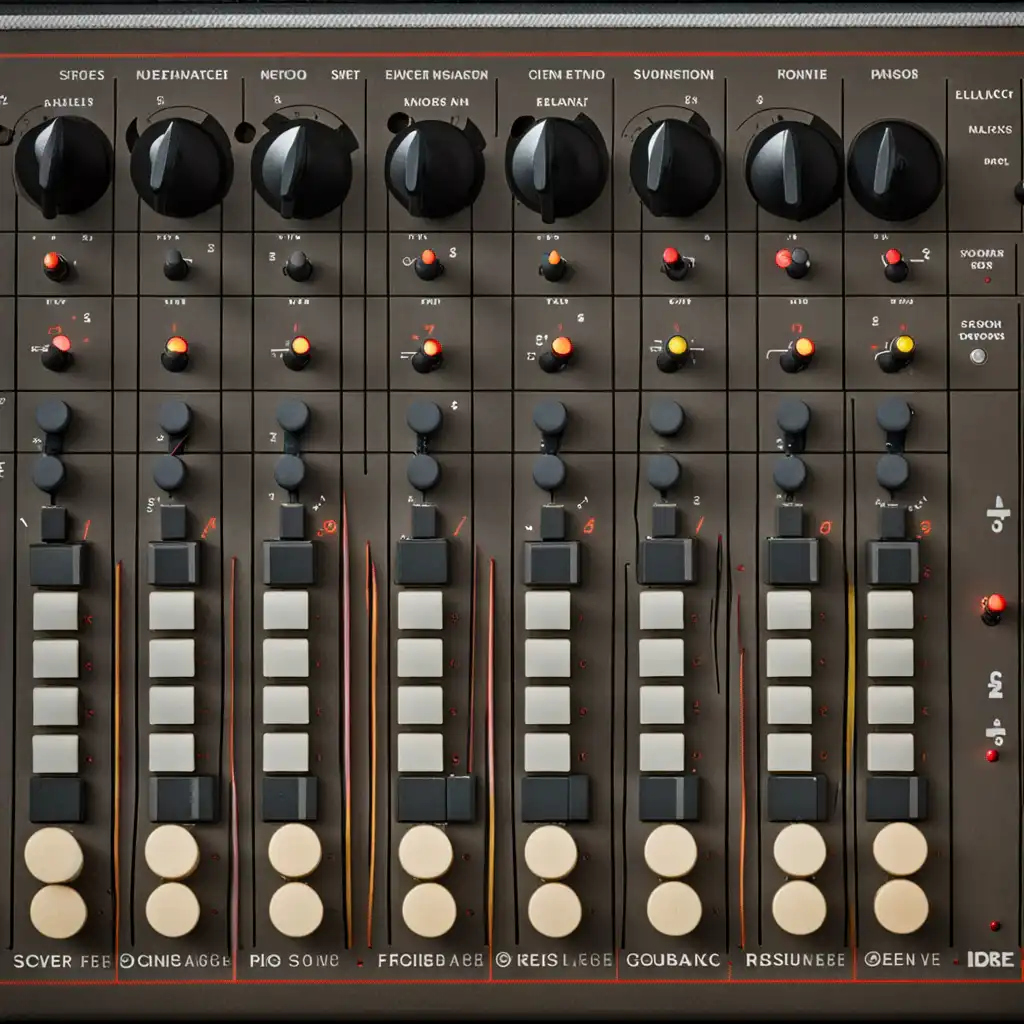
ˌiːkwələˈzeɪʃn
The process of altering or compensating to achieve some form of balance
In audio production, equalization is necessary to balance all the different sound frequencies.
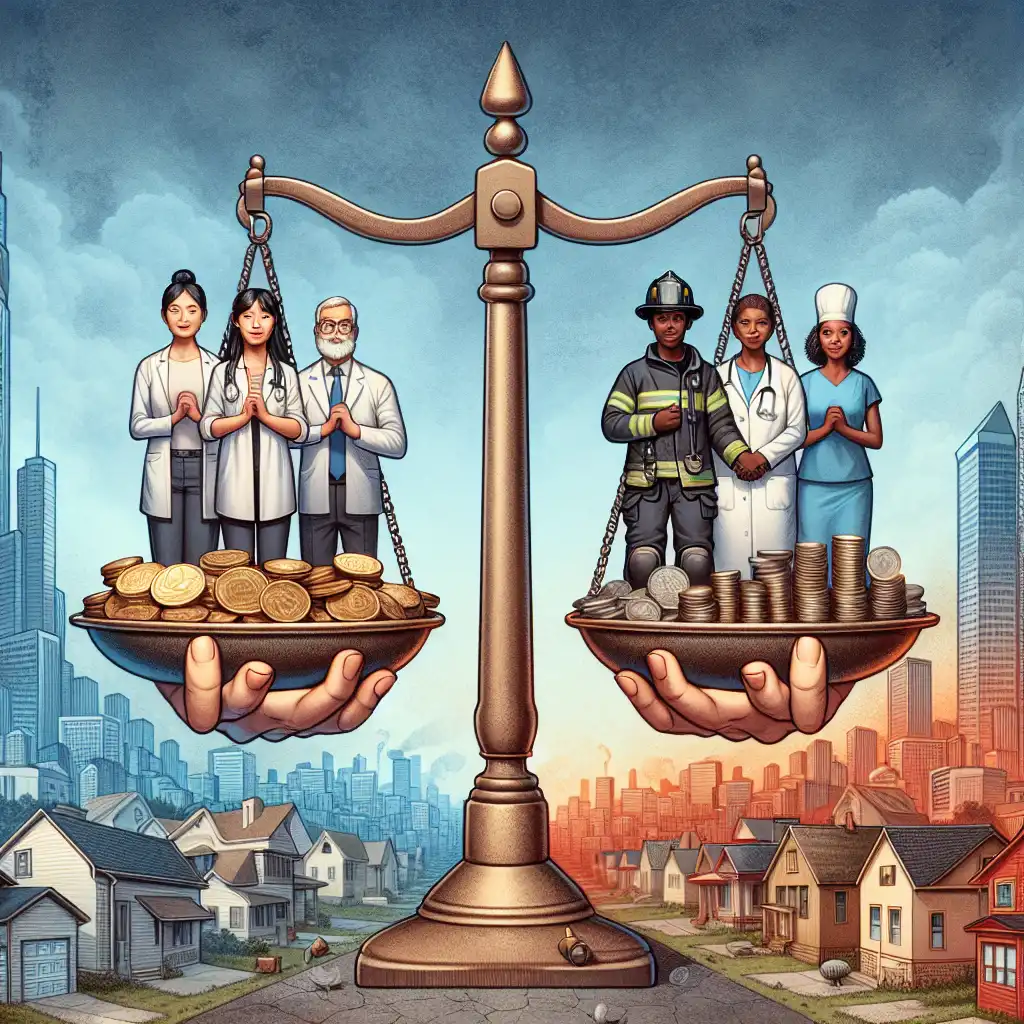
ˌiːkwələˈzeɪʃn
The practice of distributing wealth or opportunities equally across a society
The country's equalization program aims to reduce the gap between the wealthy and the poor.
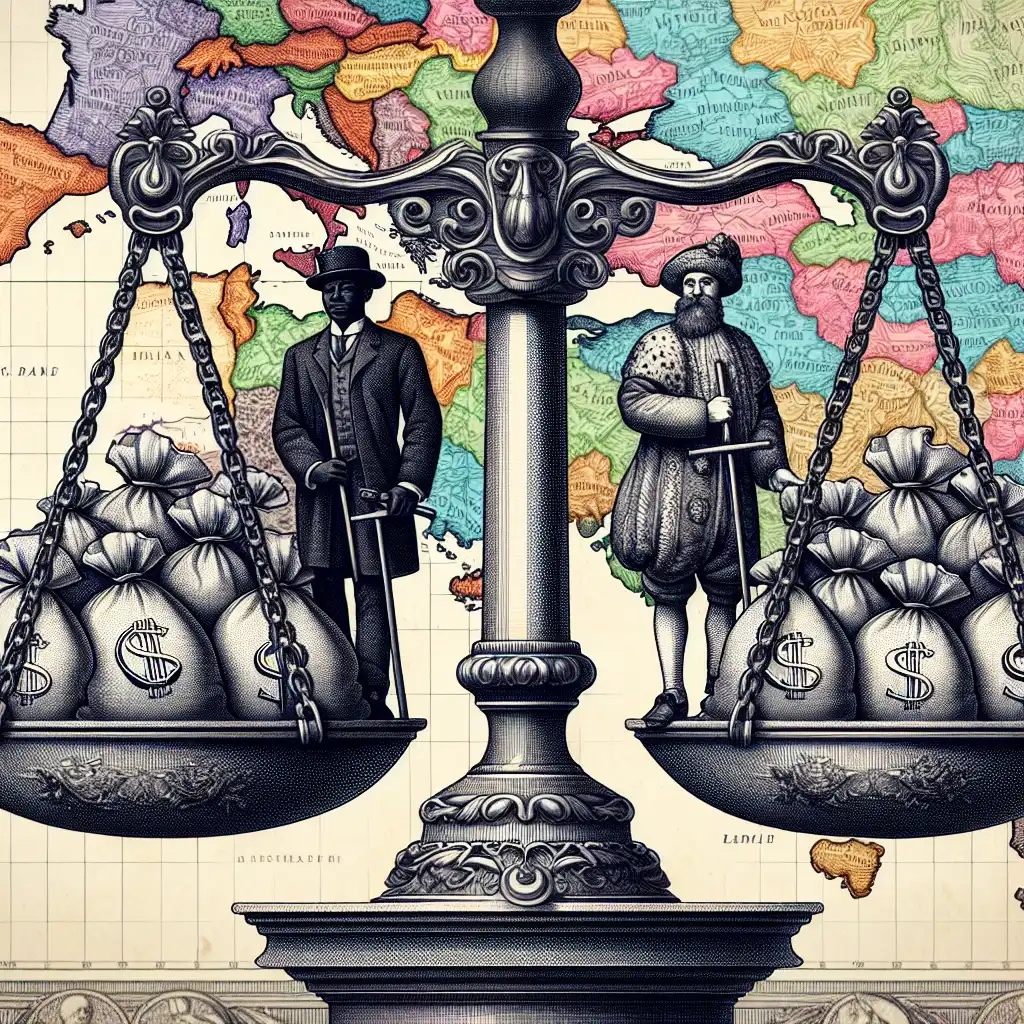
ˌiːkwələˈzeɪʃn
The process of equalizing tax burdens across jurisdictions
Federal equalization payments help to balance the fiscal capacity of different provinces.
Impossible de charger l’audio. Réessayez plus tard.
The word "equalization" refers to the process of making things equal or fair. It can be used in different contexts, such as in sports when a team is given an advantage to compensate for their opponent's strength, or in music when adjusting the sound levels of different instruments to create a balanced sound. In general, it is used when there is a need to level out any differences or inequalities to make things more fair or even.
Balance refers to the state of being stable, even, or equal.
It can refer to physical balance, like when one stands on one foot, or it can refer to financial balance, where income and expenses are equal.
Balance is applicable in situations where things need to be equal or stable to prevent negative consequences.
Equalization refers to the process of making things equal or achieving balance. For example, equalization payments between provinces in Canada are made to ensure that everyone has equal access to government programs and services.
Balance refers to a state of being, while equalization refers to an action or process to achieve balance.
Ouvrir le mot: Balance →Compensation refers to providing money, benefits, or other forms of payment as a result of a loss, injury, or work done.
In simpler terms, compensation relates to payment for work done or damages suffered while equalization relates to ensuring that things are fair and equal for everyone involved.
Compensation is applicable in employment settings while equalization is applicable in situations where resources need to be divided fairly.
Ouvrir le mot: Compensation →Equilibrium refers to a state of balance where opposing forces or influences are in a state of balance.
It is often used in the context of physical or chemical systems, where things are in a state of balance. For example, in a chemical reaction, equilibrium is reached when the forward and backward reactions occur at the same rate and the concentrations of reactants and products remain constant.
Equalization is about making things equal or balanced, while equilibrium is about a state of balance where opposing forces or influences are in a state of balance.
Ouvrir le mot: Equilibrium →Evenness refers to consistency or uniformity in terms of quality or appearance.
Equalization is about balancing out inequalities, while evenness is about achieving uniformity or consistency.
Ouvrir le mot: Evenness →Equalization is the process of adjusting different frequencies of sound to have the same level of volume. Level refers to the overall volume or amplitude of sound.
By using an equalizer, you can adjust the levels of each frequency so that it blends well together and sounds balanced.
Level is applicable in situations where you need to adjust the overall loudness of sound. For example, on a speaker or stereo system, you can adjust the level of the volume to make it louder or softer.
Equalization is used for specific frequency adjustments, while level is used for overall volume adjustments.
Ouvrir le mot: Level →Neutralization refers to the process of making something neutral or getting rid of a certain quality or effect. This term is often used in chemistry to describe how an acid and a base can neutralize each other and cancel out their properties.
Thus, equalization is applicable when trying to balance differences or enhance specific qualities, while neutralization is applicable when trying to neutralize or cancel out certain properties or effects.
Ouvrir le mot: Neutralization →Equalization and rectification are terms used in electrical engineering.
Rectification refers to the process of converting an alternating current (AC) signal to direct current (DC) by removing the negative part of the waveform.
This is often done using a diode, which essentially acts as a one-way valve for electricity. Rectification is commonly used in power supplies and audio amplifiers to convert AC voltage into DC voltage.
Equalization adjusts the balance of different frequencies in a signal, while rectification converts AC voltage to DC voltage.
Ouvrir le mot: Rectification →Equalization and standardization are two different concepts used in different contexts.
Standardization refers to the process of setting a standard or establishing a uniformity in something. It is primarily used in the context of products or services, where the goal is to ensure consistency and quality.
Equalization is applicable in contexts where there is a need for equal distribution of resources and opportunities, while standardization is applicable in contexts where there is a need for consistent quality and uniformity in products or services.
Ouvrir le mot: Standardization →In a government whose distinguishing characteristic should be a diffusion and equalization of its benefits and burdens the advantage of individuals will be augmented at the expense of the community at large.
As for the American child's classic problem - too much mother, too little father - that would be cured by an equalization of parental responsibility.
The global equalization of wages and the exponential growth in technology has created a job-killing machine that's only going to get worse.
I have seen the face of this country change in 25 years or 30 years. I have seen a equalization begin to develop - in inheritance laws, tax laws, laws for favoring trade unions, protecting them, and so forth. All these are social changes.
If the condition of Government stands still, it just makes no sense and must die, so, therefore, the improvement within that democracy must be the greater and greater equalization of rights and opportunities to the people as those people grow up.