occupancy
noun occupancy
ˈɑːkjəpənsi
The condition of using a place, such as a seat or room, or being occupied.
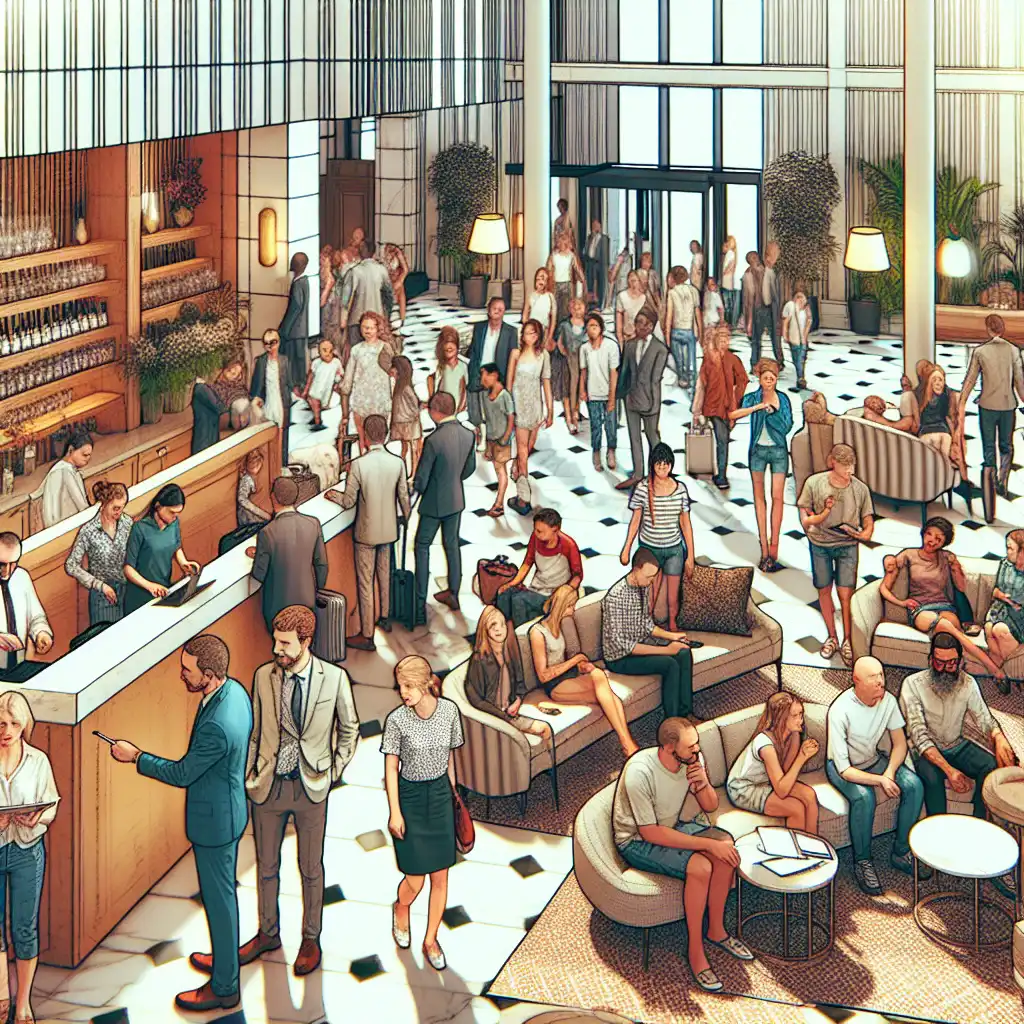
The hotel has a high occupancy rate during the summer months.
occupancy
ˈɑːkjəpənsi
読み込み中…
ˈɑːkjəpənsi
The condition of using a place, such as a seat or room, or being occupied.
The hotel has a high occupancy rate during the summer months.
ˈɑːkjəpənsi
The time period during which a place or position is occupied.
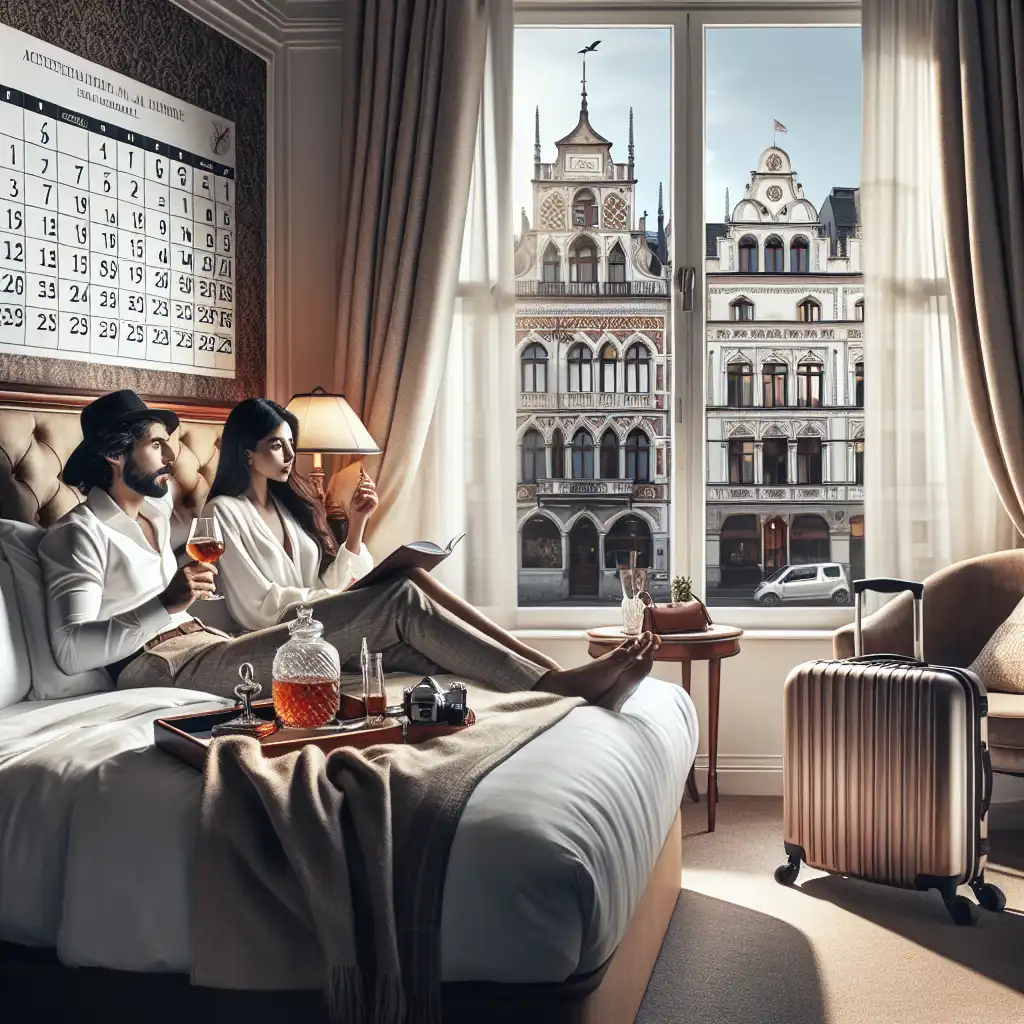
The average occupancy of a hotel room is 2.5 days.

ˈɑːkjəpənsi
The number of people that are in a building or room.
The maximum occupancy of the conference room is 50.

ˈɑːkjəpənsi
The act of moving into a property and living there, often in relation to the right to do so.
The date of occupancy is the day the tenant agreed to move in and start paying rent.
音声を読み込めませんでした。しばらくしてからもう一度お試しください。
The word 'occupancy' is commonly used in the context of real estate or property management, to refer to the number of people living or working in a building or space. It is a way of measuring how many people are using a particular property at any given time. For example, if a hotel has an occupancy rate of 80%, that means that 80% of its rooms are currently being used by guests. In general, 'occupancy' is a technical term that is used by professionals in the real estate industry or by those who need to track and manage the use of buildings and spaces.
Habitation refers to a place where people live or dwell, such as a house or apartment. It suggests that the space is suitable for human habitation, including having the necessary amenities to sustain life, like electricity, water, and heat.
For example, a cave might be occupied, but it's not a suitable habitation for humans. An apartment is both a habitation and a place of occupancy because it is intended for human habitation and is being lived in by someone.
In other words, habitation refers to the physical space or dwelling, whereas occupancy refers to the act of living in a space.
単語を開く: Habitation →Occupancy usually refers to the state of being in a place, such as a building or a room, while occupation usually refers to a person's job or profession.
If you ask someone about their occupation, you're asking what job they have.
単語を開く: Occupation →Occupancy refers to the act of physically occupying a space or property, while possession refers to having control or ownership of something.
For example, a person can occupy a hotel room for a night, but they do not have possession of the room as it belongs to the hotel.
A homeowner has possession of their house and can occupy it.
In legal contexts, possession often implies ownership and control over a property or object, while occupancy may refer to temporary or leased use of a space.
単語を開く: Possession →Residency refers specifically to living in a certain place as a permanent or long-term resident. For example, someone may have occupancy of an office during the day but residency in their home at night.
Occupancy is applicable in various settings, such as businesses, hotels, and vacation homes, while residency is typically associated with individual people living in homes or apartments.
単語を開く: Residency →Tenancy refers to a legal agreement between a landlord and a tenant for the use of a specific property or space. The tenant has exclusive possession of the property for a set period, and in return, pays rent to the landlord.
Occupancy refers to physically being in a space, while tenancy refers to having a legal right to use or rent that space.
Occupancy is a broader term that can refer to both temporary and permanent use of a property, while tenancy is a more specific legal arrangement.
単語を開く: Tenancy →A theory of everything %\PIPE%...
YouTube で見る ↗The lands granted were in the occupancy of savages and situated in a wilderness, of which the government had never taken possession, and of which it could not with its own citizens ever have taken possession.
Safari Live - Day 210 %\PIPE%...
YouTube で見る ↗A forest - the word dates back to the Norman occupancy, when it meant an area set aside for England's violent new masters to hunt boar and deer - is necessarily larger than a wood. It belonged to the king and was a fit place for his recreation.
Lyft Line came out of the vision that we've had from the beginning, which is how do we get the most affordable ride to everyone? Eighty percent of seats at all times on the road are empty. In Los Angeles, average car occupancy is 1.1, and if it were 1.3, there would be no traffic.