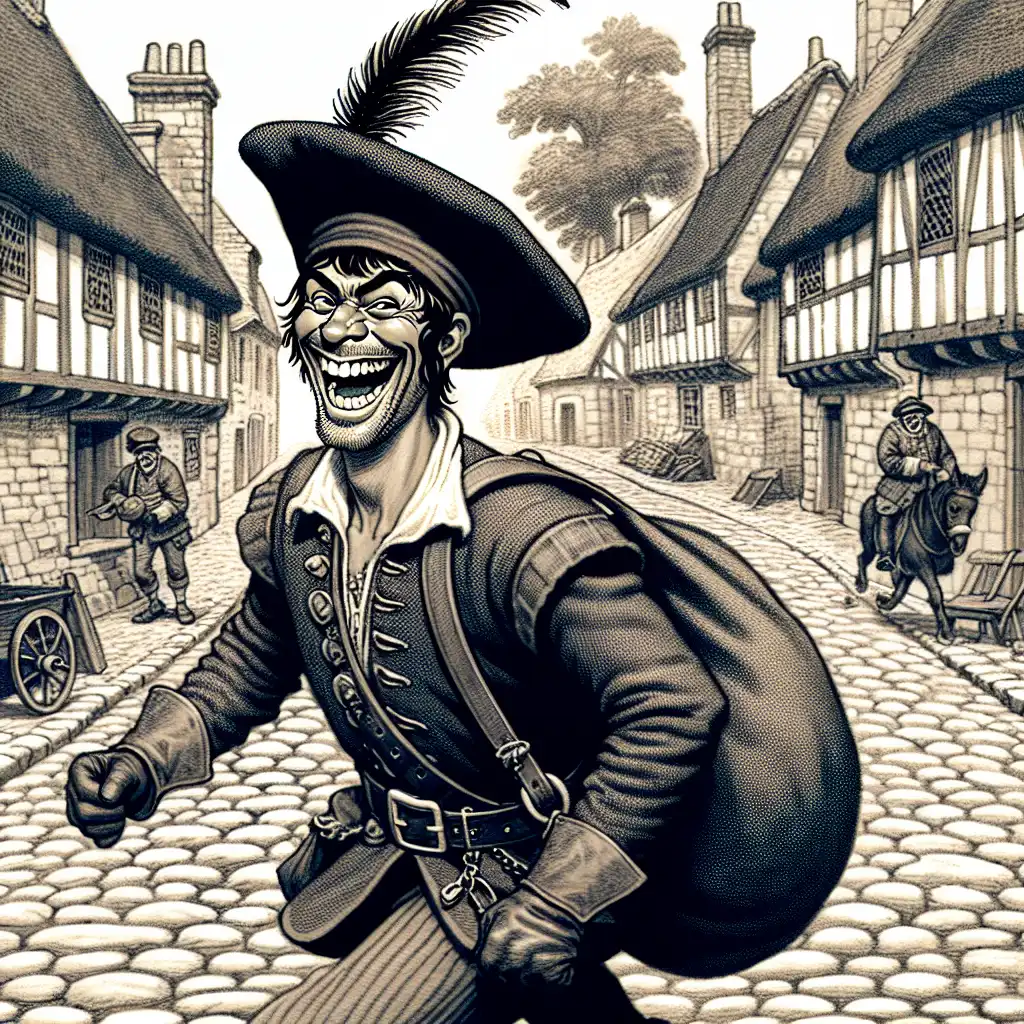
The word 'picaresque' is usually used to describe a type of story or novel that has a character who is a rogue or a trickster. These types of stories often involve the character going on adventures and getting into trouble. They are usually humorous and entertaining, but can also have a serious side. The word can also be used to describe a person who is a bit of a rogue or who tends to get into trouble.
Adventurous refers to someone who seeks out new experiences and enjoys taking risks.
It can be applied to a person or a situation, such as an adventurous traveler or an adventurous night out.
In simpler terms, being adventurous means you like to try new things and take risks, while picaresque refers to a type of story that follows a rogue character in a gritty world.
Cunning refers to someone who is clever and sly in a way that is usually seen as deceitful or dishonest. For example, a cunning thief may steal something without getting caught because they tricked the owner or security.
So, while cunning refers specifically to a person's behavior, picaresque refers to a type of storytelling that focuses on a particular type of character's journey.
Deceitful means dishonest or not telling the truth.
So, while deceitful refers to someone's behavior, picaresque describes a type of story or character that is adventurous and sometimes mischievous.
For example, a salesman who tricks people into buying a faulty product would be described as deceitful. A story about a charming thief who outwits his enemies could be described as picaresque.
Mischievous refers to behavior that is playful but also mildly naughty or troublesome.
Mischievous is a term used to describe playful behavior that is not intended to cause harm, while picaresque is a term used to describe a genre of literature or art that focuses on the adventures of a cunning and sometimes dishonest protagonist.
Both picaresque and rascal describe a mischievous or dishonest person. The main difference is that picaresque is specifically related to a type of novel or storytelling that follows the adventures of a roguish hero who often lives on the margins of society.
In contrast, rascal is a more general term that can be applied to anyone who behaves in a dishonest or mischievous manner.
Picaresque is applicable in literary contexts, while rascal can be used more broadly to describe someone's behavior or character.
Roguish simply describes someone who is dishonest or unreliable, often for personal gain. It is a more negative term, suggesting that the person is morally questionable and perhaps even dangerous.
Picaresque is a literary term describing a type of story or character that is adventurous and entertaining, while roguish is a more negative term for someone who is deceitful or untrustworthy.
Picaresque and swashbuckling both describe adventurous tales, but the nuances between them are different.
Swashbuckling, on the other hand, refers to exciting stories featuring daring and flamboyant characters engaging in sword-fighting, ship battles, and other forms of physical combat.
In essence, picaresque stories are about cunning and wit, while swashbuckling stories are about physical prowess and bravery.
One of my favourite kinds of movie is the American picaresque, in which the characters make their way across the country, learning about life against the gorgeous backdrops of that vast land.
A turning point in the public's perception of the building art came with the publication of Frank Lloyd Wright's 'An Autobiography' of 1932, a picaresque narrative that captivated many who hadn't the slightest inkling of what architects actually did.