
eschew
verb eschew
ɪsˈtʃuː
To avoid doing or using something on purpose
In order to stay healthy, he eschews alcohol and fast food.
eschew
ɪsˈtʃuː
Đang tải…
ɪsˈtʃuː
To avoid doing or using something on purpose
In order to stay healthy, he eschews alcohol and fast food.
ɪsˈtʃuː
To choose not to do something as a form of protest or expression
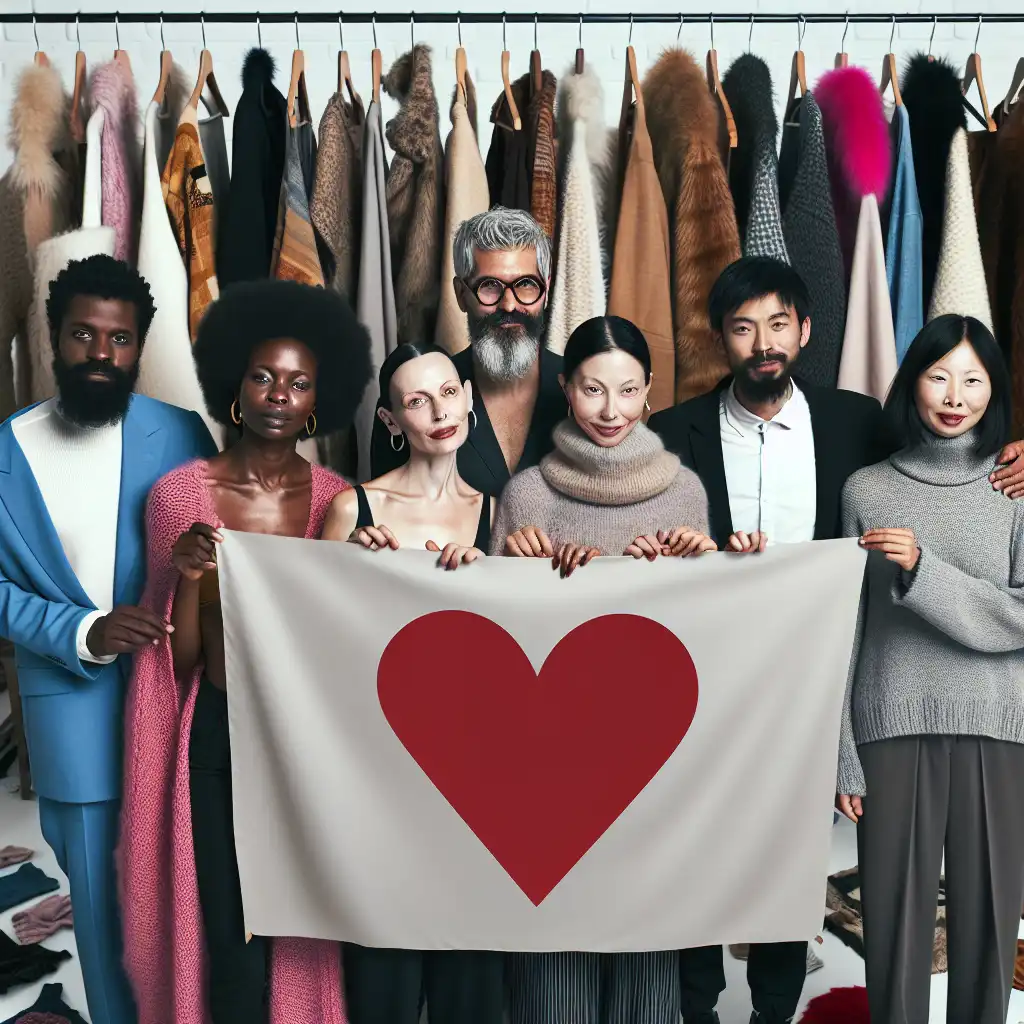
They eschew the use of fur in their fashion designs as a protest against animal cruelty.
Không tải được âm thanh. Vui lòng thử lại sau.
The word 'eschew' means to avoid or stay away from something on purpose. It is used in formal writing or speech when we want to express a deliberate decision to steer clear of something or someone. For example, you might say "I prefer to eschew unhealthy food" to convey the idea that you intentionally avoid eating foods that are bad for your health. Similarly, when you say "I eschew gossiping" you mean that you avoid engaging in conversations that involve talking about others behind their backs.
Avoid and eschew both refer to steering clear of something, but they have different nuances.
Avoid usually implies that you are actively staying away from a situation or thing because you don't want to experience it.
For example, you might avoid eating spicy food because you don't like the taste or the way it makes you feel.
Eschew implies that you are consciously rejecting and avoiding something that you believe is morally or ethically wrong.
Avoid means to stay away from something because you don't want to deal with it, while eschew means to avoid something because you believe it is wrong.
Mở từ: Avoid →Elude means to escape or avoid something or someone, often by being clever or skillful. For example, "The thief eluded the police by hiding in a warehouse.".
Elude means to escape or avoid something or someone, while eschew means to intentionally avoid or reject something.
Mở từ: Elude →Evade means to avoid something by trickery or by not facing it directly.
It is often used in the context of avoiding responsibilities or obligations. For example, you might try to evade paying a bill by lying about having already paid it.
Eschew means to avoid something intentionally due to moral or social reasons, while evade means to avoid something through trickery or by not facing it directly.
Mở từ: Evade →Eschew and give up are two different words that are used in different contexts.
Give up means to abandon or surrender something that we once had or desired.
It can be used in different contexts such as giving up a bad habit, giving up on a project, or giving up on a relationship.
Eschew is used when someone deliberately avoids something while give up is used when someone abandons something that they previously had or desired.
Mở từ: Give up →Reject, on the other hand, means to dismiss or refuse something outright. For example, someone might reject a job offer because they found a better opportunity elsewhere.
Eschew is used when talking about actively avoiding something you know is harmful or undesirable, while reject is used when talking about refusing something that is offered to you or presented as an option.
Mở từ: Reject →Renounce means to formally declare that you are giving up something.
Eschew means to avoid something while renounce means to give up something. Eschew is applicable when someone wants to stay away from something they deem harmful, while renounce is applicable when someone decides to give up something they previously accepted.
Mở từ: Renounce →Both eschew and shun mean to avoid, but there is a slight difference in their meaning and usage.
Shun means to deliberately ignore or reject someone or something. It implies a strong feeling of dislike or disapproval towards someone or something.
For example, "The town shunned him after he was caught stealing."
So, while eschew is used when you want to avoid something because it is harmful or goes against your beliefs, shun is used when you want to ignore or reject someone or something because of dislike or disapproval.
Mở từ: Shun →Nina Jablonski breaks...
Xem trên YouTube ↗I have a holistic need to work and to have huge ties of love in my life. I can't imagine eschewing one for the other.
Breaking the illusion of...
Xem trên YouTube ↗If we turn our back on the world's most vulnerable people, we're eschewing the values our country was founded on.
Man Carves Churches into...
Xem trên YouTube ↗Choosing to mother your kids full-time may seem to some the easy choice, eschewing as it does the stresses and strains of the workplace, but one of the continuing frustrations for women is the lack of respect they get for taking on the responsibility for domestic life, whether they're also working outside the home or not.
I myself eschew all stimulants. I also practically abstain from meat.
I don't think I've ever really been a science fiction writer. I'm closer to a fantasist, speculative fiction, whatever, but labels are ultimately derogatory, and I eschew them as best I can.
Wine writers have been around for almost as long as there has been wine, but in the past, generally speaking, most wine writing was uncritical and emphasized wine as a romantic, historic beverage. Criticism and comparative tastings were eschewed for fear of offending the trade, which most writers depended upon for survival.
Cats and their owners are on a private, exclusive loop of affection. Thus cats have become symbolic of a community eschewed and a hyper-engagement with oneself. They represent the profound danger of growing so independent in New York that it's not merely that you don't need anyone - it's that you don't know how to need anyone.
I don't eschew autobiographical writing, but I'm not interested in mine to be so straightforward. The things that tend to move me the most are often those that I have to figure out its meaning for myself. The human being's ability to make a metaphor to describe a human experience is just really cool.
It used to be the one or the other, right? You were the 'bad girl' or the 'good girl' or the 'bad mother' or 'the good mother,' 'the horrible businesswoman who eschewed her children' or 'the earth mother who was happy to be at home baking pies,' all of that stuff that we sort of knew was a lie.
The way we're attached to our phones these days, they buzz and twitch in our pockets, and we have to look and see if it was a text, a voicemail, or an e-mail. We're almost like lab rats. I tried to eschew the whole cell phone theory until I had kids; then, I had to be reachable at all times.