operetta
noun operetta
ˌɑːpəˈretə
A short light musical play with speaking, singing, and dancing parts.
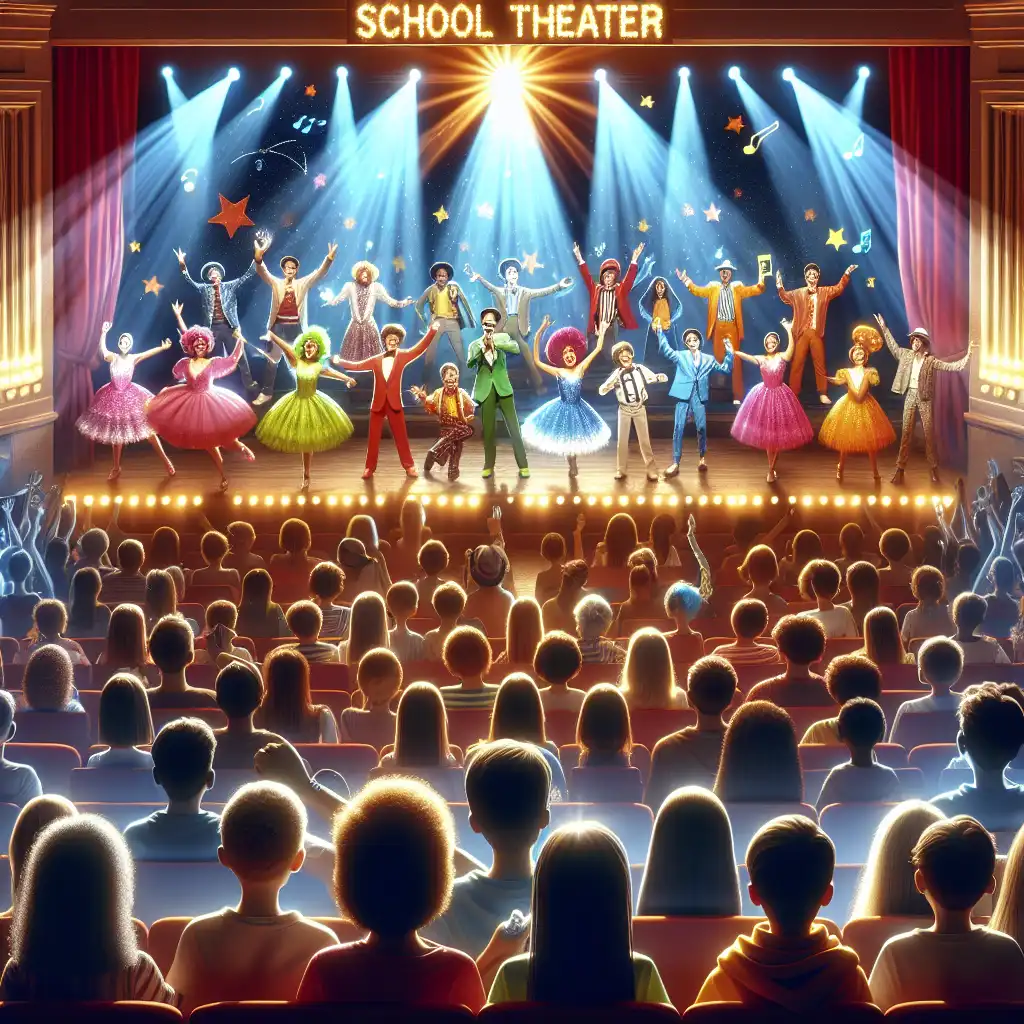
They rehearsed for weeks to present the operetta at the annual school event.
operetta
ˌɑːpəˈretə
読み込み中…
ˌɑːpəˈretə
A short light musical play with speaking, singing, and dancing parts.
They rehearsed for weeks to present the operetta at the annual school event.
音声を読み込めませんでした。しばらくしてからもう一度お試しください。
Operetta is a type of musical theater that is a bit lighter than a full opera. It usually has spoken dialogue, not just singing, and features a mix of comedic and romantic elements. It was popular in the 19th and early 20th centuries and is still performed today. You might hear the word in discussions of musical theater history or if you're planning to attend a performance of an operetta.
An operetta is simply a small and gay opera.
A lot of '20s musicals were a hodgepodge of melodrama, mixed with operetta and romance, and then some sense of modernism and some sense of irreverence.
My mom was sort of involved in amateur dramatics like Gilbert and Sullivan operetta, and played the violin. My dad played banjo and piano and sang as well, so there was all this music in my childhood.
Snow White' was really hip for its time. Walt Disney was basically using Sigmund Romberg and operetta in the telling of the story, and through animation - that was revolutionary.
I was studying music in college. I was singing, I was doing operas and Gilbert and Sullivan operettas, and then I was offered a job as the music director of the Bigfork Summer Playhouse, in Bigfork, Montana.
I was a huge theater nerd when I was younger, so I was in a bunch of school musicals - Working,' South Pacific,' Fiddler on the Roof,' a very weird little operetta called Charlotte Sweet,' Nine,' The Wiz.
Musical theater is an American genre. It started really, in America, as a combination of jazz and operetta; most of the great musical theater writers in the golden era are American. I think that to do a musical is a very American thing to me.
European operetta and German singspiel provided the American musical its combination of spoken dialogue and song; the inclusion of dance traced a lineage to French baroque opera. But what a difference!