Audio could not be loaded. Please try again later.
How to use
'Categorization' means grouping or sorting things into different categories based on certain criteria or characteristics. For example, you can categorize fruits based on their color, taste, or size. It can be used in various situations such as organizing information, classifying items or products, managing data, or even solving problems. Categorization helps in making things more organized and making it easier to understand or locate specific things.
Arrangement refers to the way things are put in order or organized. For example, arranging books on a shelf by author's last name or arranging clothes in a closet by color.
Arrangement is about order and organization, while categorization is about grouping things based on similarities.
Categorization and classification both involve sorting things into groups, but there is a subtle difference between them.
Classification involves sorting things into specific categories based on predefined criteria or rules. For example, a library might classify its books based on their subject matter, using the Dewey Decimal system.
While both terms can be used in a variety of contexts, categorization is more flexible and open-ended, while classification typically involves a more structured and predefined system.
Categorization is used when grouping things together based on similarities, and classification is used when sorting things into specific predefined categories.
Codification is the process of organizing information or knowledge into a structured system using codes or symbols. For example, a library uses the Dewey Decimal System to codify and organize books by their subject matter.
Codification is applicable when we need to organize and store information or knowledge in a systematic way. It is useful for ensuring consistency and easy retrieval of information.
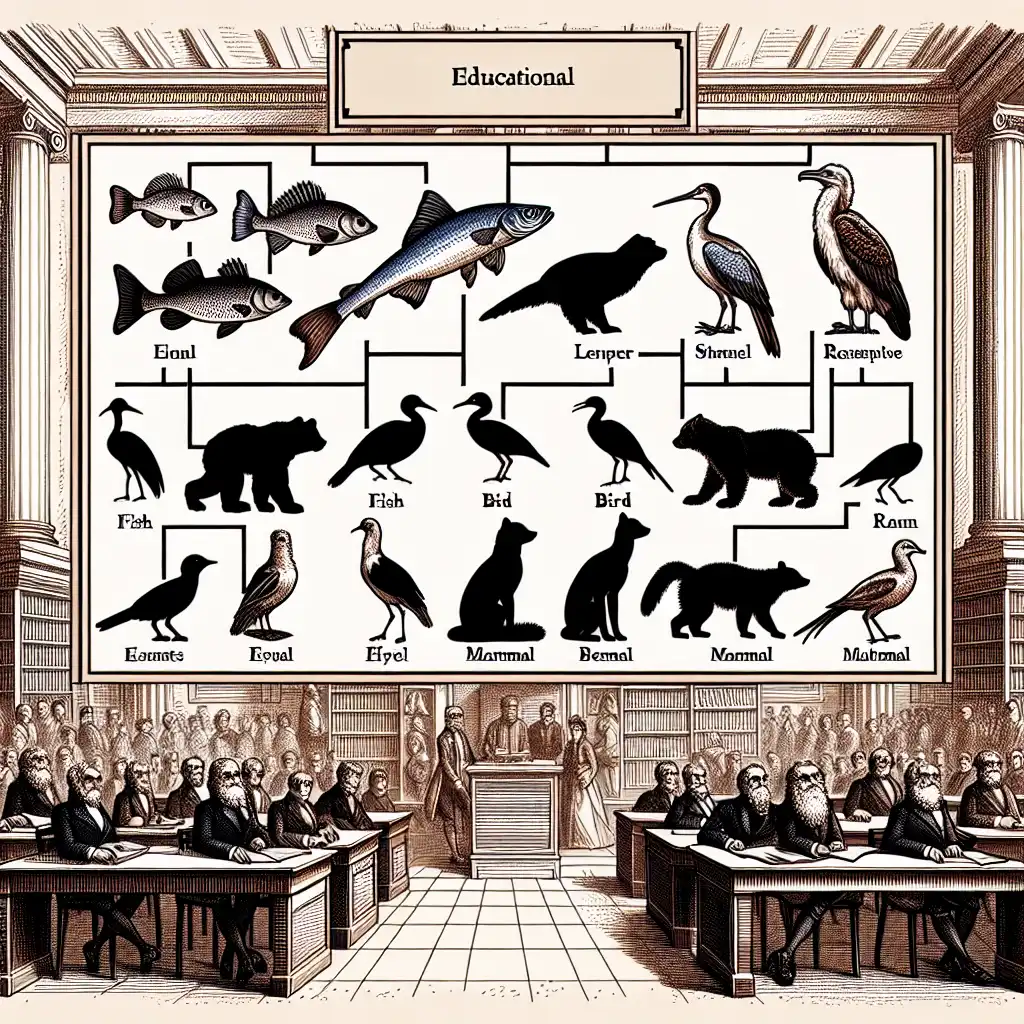
Categorization is the process of sorting things into specific groups based on their characteristics or attributes. For example, if you were categorizing animals, you might group them based on whether they are mammals, reptiles, or birds.
A group is a collection of individuals or things that have something in common.
Groups can be formed for different reasons, such as shared interests, goals, or identities.
For example, a group of students might form a study group to help each other prepare for an exam.
While categorization is more focused on the process of sorting things into distinct groups, groups are the end result of this process.
Both categorization and grouping can be applied in various contexts, from scientific research to social interactions.
Labeling means attaching a tag or name to a particular item. Labeling usually involves assigning a name or a description to an object in order to identify or differentiate it from others.
For example, labeling different types of bottles with their contents like shampoo, conditioner or lotion.
Categorization is about grouping things together based on commonalities, while labeling is about identifying individual items based on their unique characteristics.
Organization refers to arranging things in a structured or orderly way. It involves setting up systems or methods for managing and arranging things efficiently.
Categorization is more focused on how we classify things, while organization is more focused on how we manage and arrange things.
Sort means arranging things in a particular order, usually based on a common feature, such as size, color or shape. For example, sorting a pile of books by author's last name or sorting a deck of cards by suit.
Categorization is useful when you want to create bigger picture groups and understand relationships between items, while sorting is useful for organizing and finding specific items based on their shared feature.
Systematization is the process of arranging things into a structured system or framework. It involves creating a set of rules and procedures that govern how things are organized and managed.
Systematization is applicable in situations where we want to create order and structure by establishing a set of rules and procedures for managing complex systems.
Taxonomy refers to the scientific classification of organisms. It involves organizing living things into groups based on their shared characteristics and evolutionary history.
Taxonomy is usually used in the field of biology to help understand the relationships between different species, and to develop a system for naming and identifying them.
Categorization is used to group things together based on similarities or shared traits, while taxonomy is used in biology to classify living organisms based on their characteristics and evolutionary history.
I loathe categorization. I cherish my independence, and I treasure chivalry. I live just fine with ambiguity, and I welcome a good quarrel about all things designed or grown - except for when men misnomer 'confident' with 'poised' and 'passionate' with 'feisty.' I work hard.
The work of black creatives seems to always get undermined in one way or another, and that's what this new generation is actively changing by speaking up. We aren't accepting group categorization and group classifications to describe our work anymore - it just leads to group dismissal.
Measurement and categorization are, of course, fundamental to any scientific endeavor, but the implications of being able to identify psychopaths are as much practical as academic. To put it simply, if we can't spot them, we are doomed to be their victims, both as individuals and as a society.
We think the right categorization for digital devices is something you hold in your hand, a mobile-type product, and something you sit two feet away from.