vampirism
noun vampirism
ˈvæmpaɪərɪzəm
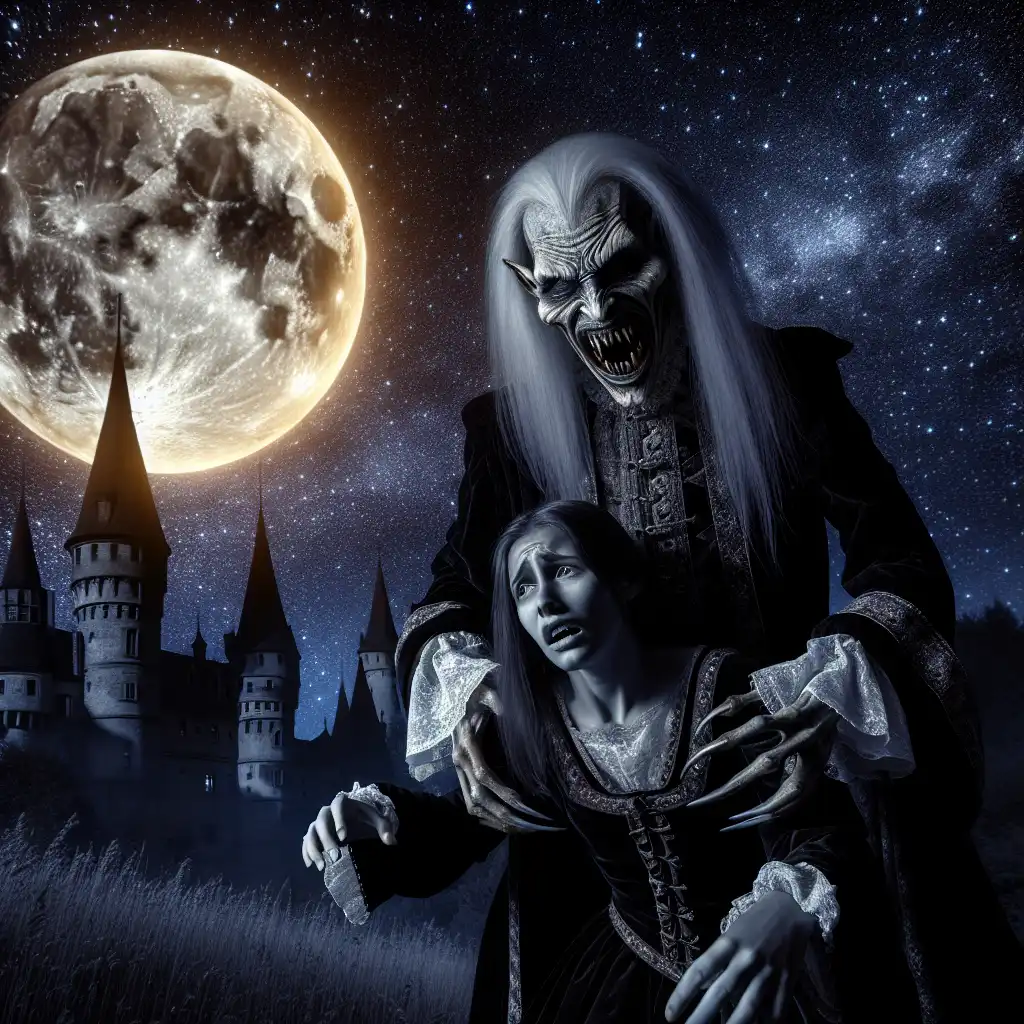
The condition or act of surviving by drinking other creatures' blood.
He studied the myths of vampirism in different cultures.
vampirism
ˈvæmpaɪərɪzəm
Cargando…
ˈvæmpaɪərɪzəm
The condition or act of surviving by drinking other creatures' blood.
He studied the myths of vampirism in different cultures.
ˈvæmpaɪərɪzəm
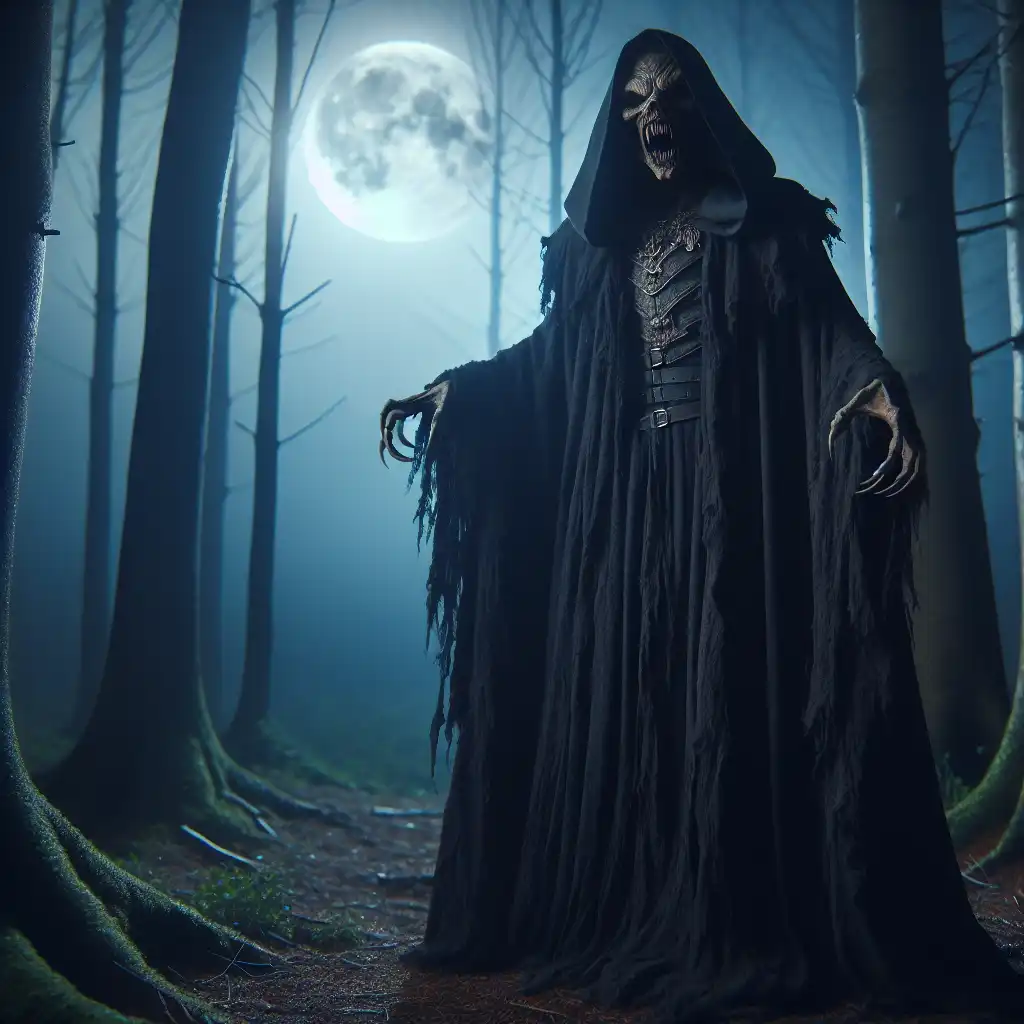
A myth or folklore about blood-sucking creatures, often referred to as vampires.
She enjoyed reading stories of vampirism and horror.
ˈvæmpaɪərɪzəm
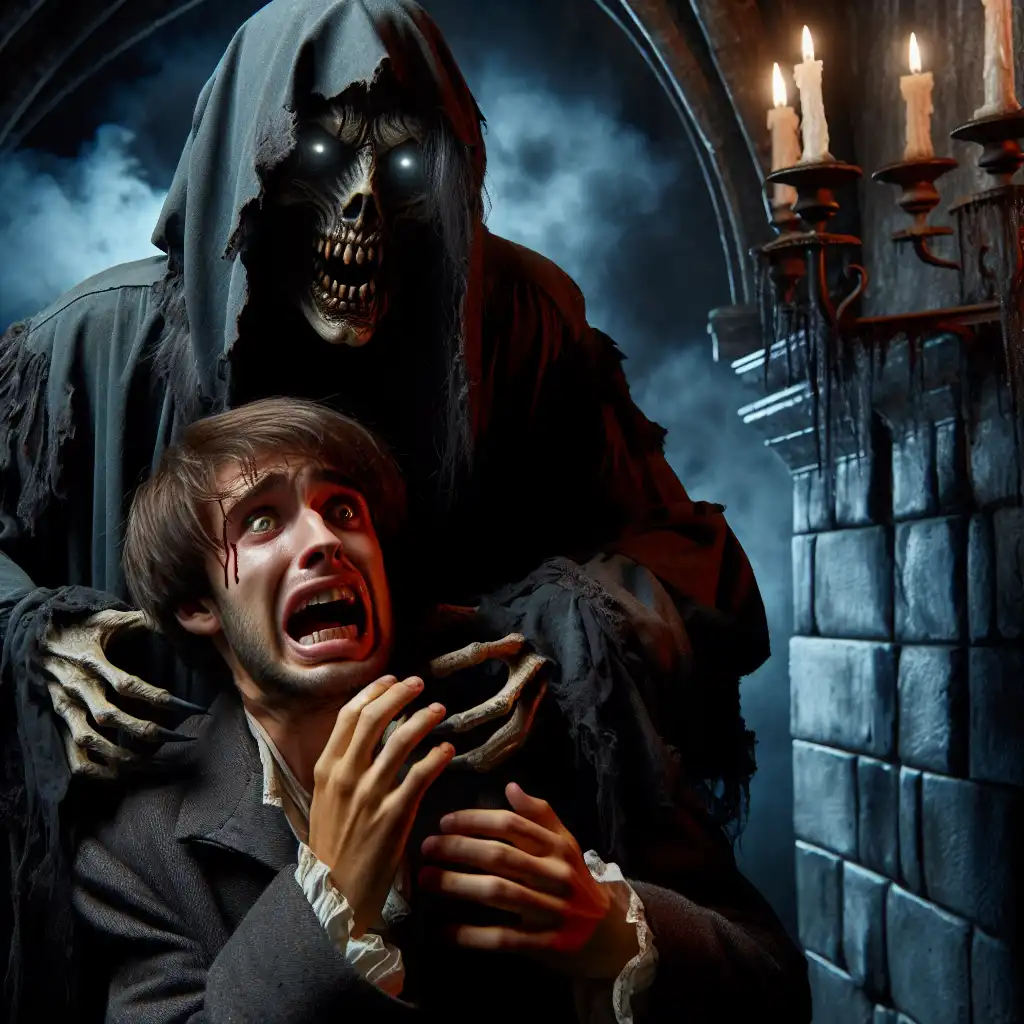
The desire or obsession to drink blood, often linked to certain psychological conditions.
In rare cases, vampirism can be a symptom of certain psychological disorders.
ˈvæmpaɪərɪzəm
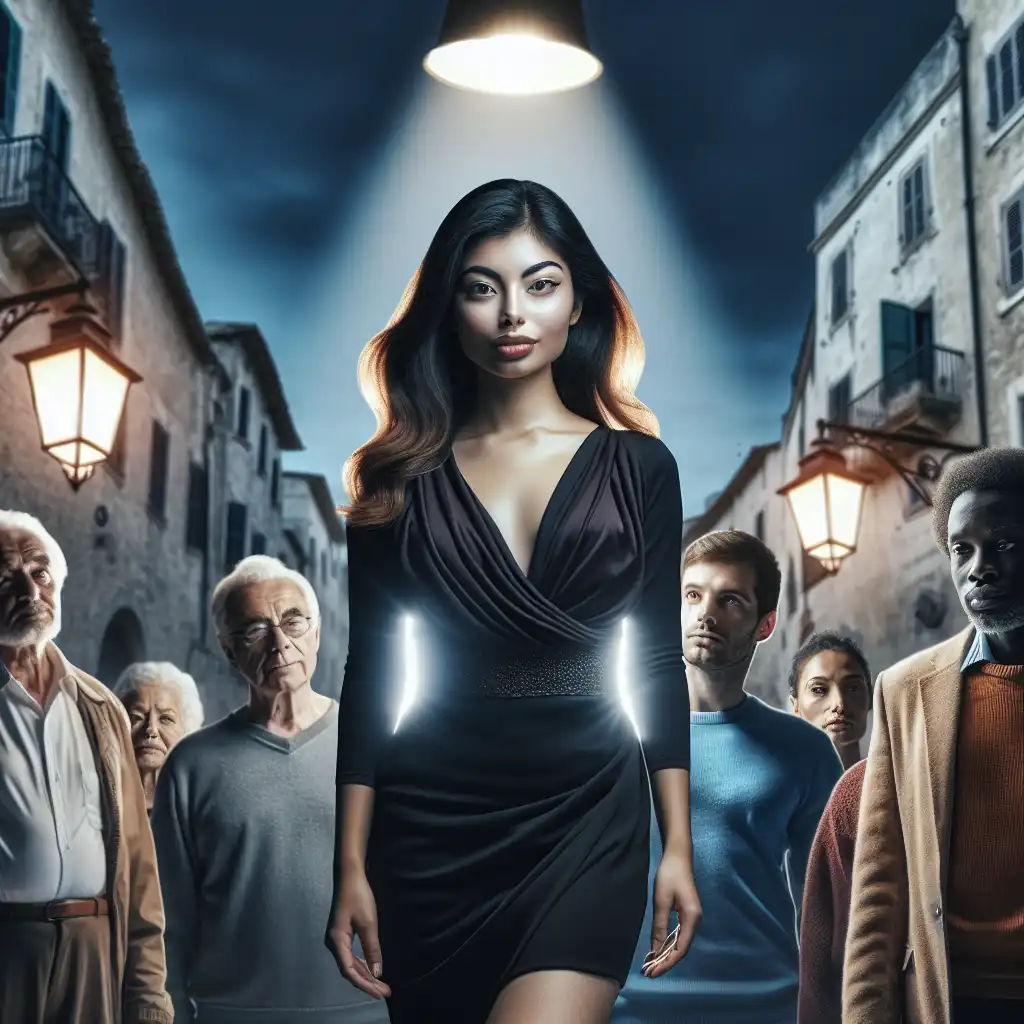
The act of exploiting or taking advantage of others, akin to the mythical vampire who drains the life of its victims.
Her selfishness and constant need for attention was a form of emotional vampirism.
No se pudo cargar el audio. Inténtalo de nuevo más tarde.
Vampirism is a word used to describe the characteristics or behavior of vampires, mythical creatures that feed on blood. It can also be used to describe a person's tendency to drain others emotionally or take advantage of them. In everyday language, it is not often used, except in the context of discussing vampire fiction or supernatural stories.
Cannibalism is the act of one person or animal consuming the flesh or internal organs of another person or animal of the same species.
In other words, cannibalism is a real and illegal act of consuming another person's flesh while vampirism is a fictional concept of beings that feed on blood.
Cannibalism is applicable in discussions of cultural or legal practices while vampirism is applicable in discussions of fantasy or horror fiction.
Abrir palabra: Cannibalism →Predate means to exist or occur before something else.
Predate is a general term to describe something that came before, while vampirism is a specific term that refers to the fictional concept of vampires.
Abrir palabra: Predate →What makes tuberculosis...
Ver en YouTube ↗The vampire movies I embraced as a kid used vampirism as a metaphor that expressed deep sadness and a lot of human qualities.
Vampirism is like celebrity now. Vampires are these eternally young, thin, sexy apparitions of perpetual nightlife and absolutely nothing like their folkloric European boogeyman predecessors. We don't even make our vampires sleep in coffins anymore, or the ground.
I don't live in L.A. on purpose because I don't wanna be immersed in that. I have to have a real life, with real people, in order to inform what I'm doing; otherwise, it just becomes the snake eating its own tail. Vampirism.
There are two levels of vampirism: one is the regular vampire, which is just like it has always been; and then there's the super vampires, which are a new breed we've created.
Originals' is a show that is not about struggling as a vampire but reveling in it. It's about embracing vampirism.
Death is the one predator we can't escape. But vampires have found the loophole so many of us crave. I think that's the allure of vampirism.
When you consider the concept of vampirism, it is inherently part of a Western culture.
Vampirism, for me, was a way to live in fantasy and have superpowers, but not just in a really perfect, happy, everything is great way. It's superpowers with a cost. It's having to be the villain, and what do you do about that.
It's only in modern times that we have come to glorify vampirism.