demiurge
noun demiurge
ˈdemiɜːrdʒ
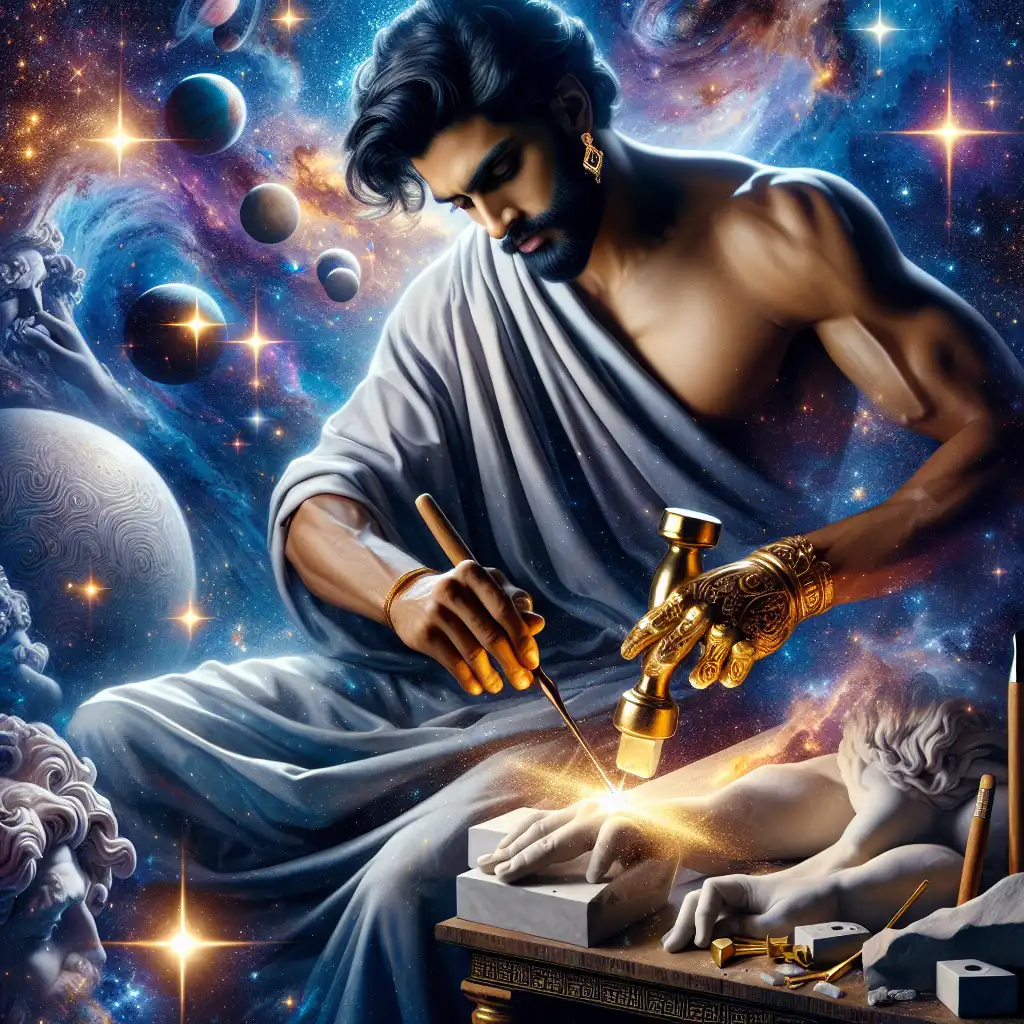
A being responsible for the creation of the universe, in particular.
In Platonic philosophy, the Demiurge is a divine craftsman who shaped the universe.
demiurge
ˈdemiɜːrdʒ
Đang tải…
ˈdemiɜːrdʒ
A being responsible for the creation of the universe, in particular.
In Platonic philosophy, the Demiurge is a divine craftsman who shaped the universe.
ˈdemiɜːrdʒ
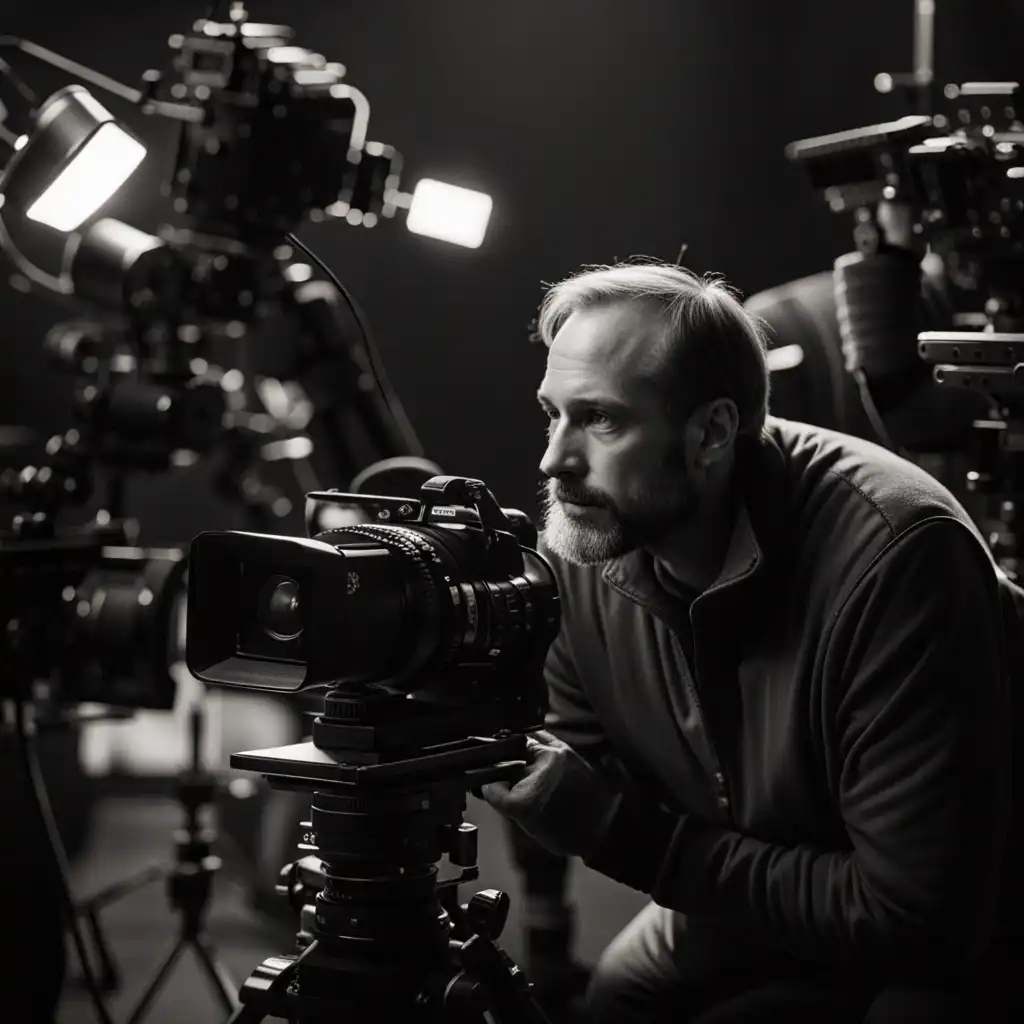
A powerful creative force or personality.
The director was the demiurge behind the film's success, driving the project with his creativity and clear vision.
Không tải được âm thanh. Vui lòng thử lại sau.
The word 'demiurge' is typically used in philosophy and theology to refer to a creator or god-like being who is responsible for the creation of the world or universe. It is often used in academic or intellectual discussions and may not be commonly used in everyday language.
Architect is a person who designs and plans buildings, structures or systems. This can range from homes to skyscrapers to computer networks.
Being an architect requires a high level of technical expertise and creativity. Architects work closely with clients, engineers, and construction workers to ensure that their designs are both functional and aesthetically pleasing.
Architect applies to the field of design and construction, whereas demiurge applies to the concept of a deity or god-like creator.
Mở từ: Architect →Construct refers to something that is built or created, often by a person or a group of people.
Construct refers to something that is built or created, while demiurge refers to a divine creator. Construct is applicable in a wide range of contexts, from construction projects to theoretical frameworks, while demiurge is more limited to discussions of religion and philosophy.
Mở từ: Construct →Craftsman refers to someone who makes things with their hands using a specific skill or craft. They often have a specific trade such as a carpenter or blacksmith.
A craftsman is someone who creates physical objects through skillful labor, while a demiurge is a mythical or religious concept of a divine creator.
The term craftsman is applicable in everyday language when referring to a skilled worker or artisan, while demiurge is more often applicable in theological or philosophical discussion.
Mở từ: Craftsman →Creator refers to someone who brings something into existence, like an artist creating a painting or a writer crafting a story.
Creator is a broad term that can describe anyone or anything that creates something, while demiurge specifically refers to a powerful being responsible for creating the universe.
Mở từ: Creator →Designer refers to a person who creates or plans something, often in a creative or artistic way. This term is commonly used in the context of fashion, product design, and graphic design.
In simpler terms, demiurge refers to a powerful being who creates everything, while designer refers to a person who creates specific things with their own unique vision and purpose in mind.
Mở từ: Designer →Inventor refers to a person who creates or develops something new or original, such as a device or process. This term is used in everyday contexts to describe people who have invented various things in fields like technology, science, and engineering.
The word demiurge describes a powerful creator or deity, while inventor describes a person who creates or develops something new.
Mở từ: Inventor →Make refers to the act of creating or producing something. It is a more general term and can be used in many different contexts, such as making food, making art, or making decisions.
Demiurge is a specific term used in certain religious or mythological contexts, while make is a more general term used in everyday language.
Mở từ: Make →Produce means to create or make something that is tangible and can be used or consumed.
Demiurge is more conceptual and abstract, while produce is more practical and tangible.
Mở từ: Produce →