woebegone
adjective woebegone
ˈwəʊbɪɡɔːn
Very sad, miserable, or gloomy.
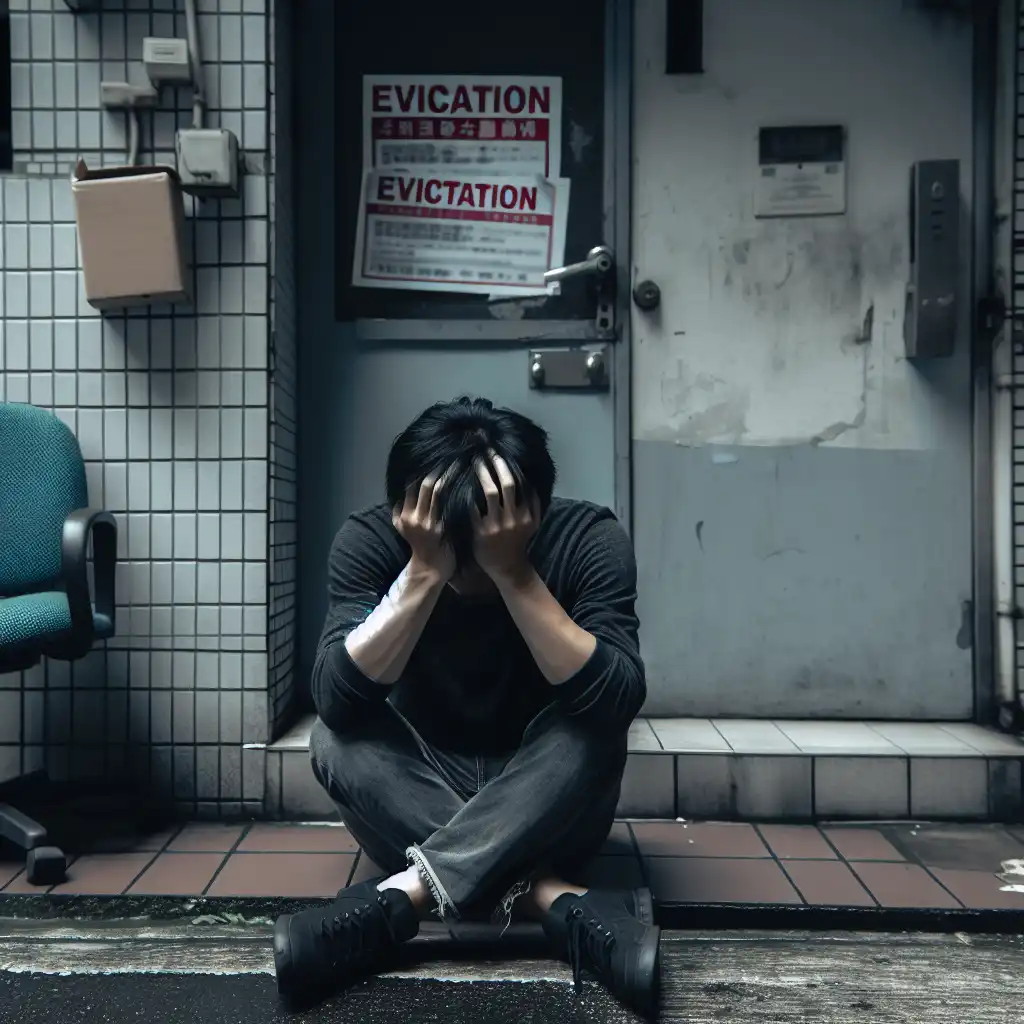
After losing his job and being evicted, John was a woebegone figure.
woebegone
ˈwəʊbɪɡɔːn
Đang tải…
ˈwəʊbɪɡɔːn
Very sad, miserable, or gloomy.
After losing his job and being evicted, John was a woebegone figure.

ˈwəʊbɪɡɔːn
Looking or being in a condition of neglect or decay.
The woebegone old house on the corner was too dangerous to live in.
Không tải được âm thanh. Vui lòng thử lại sau.
The word 'woebegone' means looking or feeling very sad or gloomy. It can be used to describe someone's facial expression when they are sad or tired. It can also describe a place or situation that seems sad or gloomy. For example, you can say "he looked woebegone after he lost his job" or "the old house looked woebegone and abandoned". It is not commonly used in everyday conversation, but you may come across it in literary or formal settings.
Both dejected and woebegone refer to a feeling of sadness, but there is a subtle difference in their meanings. Dejected refers to feeling sad or depressed because you have experienced a disappointment or failure.
In terms of where each word is applicable, you could use dejected to describe how you felt after getting a bad grade on a test or losing a game.
Mở từ: Dejected →Desolate describes a place or situation that is empty, lonely, and maybe even barren.
Desolate describes a place, while woebegone describes a person's emotional state.
Mở từ: Desolate →Distress refers to a feeling of extreme sadness or pain, often caused by a difficult situation or event.
Distress is a feeling, while woebegone is an appearance. Distress is applicable when describing one's emotional state, whereas woebegone is applicable when describing someone's appearance.
Mở từ: Distress →Gloomy and woebegone are both adjectives that describe a feeling of sadness or unhappiness, but they differ in their connotations and usage.
Gloomy refers to a feeling of darkness or dreariness, often related to the weather or a situation. For example, if it's a dark, cloudy day outside, you might say it looks gloomy.
In a figurative sense, if someone is feeling gloomy, it means they are unhappy or pessimistic about something.
It's a more intense, emotional word than gloomy.
Gloomy describes a general feeling of unhappiness or pessimism, while woebegone is reserved for more intense, emotive descriptions of sadness or sorrow.
Mở từ: Gloomy →Melancholy and woebegone are both words used to describe a feeling of sadness or unhappiness, but they have some subtle differences.
Melancholy is a feeling that can be described as a deep sadness or a lasting sense of gloom or depression.
In summary, we might use melancholy to describe a general sense of sadness, while woebegone describes the appearance or demeanor of a person who is visibly and concretely sad.
Mở từ: Melancholy →Miserable means feeling sad, unhappy, or uncomfortable. It is applicable when someone is feeling physically or mentally unwell or feels hopeless about their situation.
The main difference between the two words is that miserable describes a feeling, while woebegone describes an appearance or demeanor.
Mở từ: Miserable →Both sorrowful and woebegone refer to feeling unhappy or miserable, but there is a slight difference in their usage.
Sorrowful describes a feeling of deep sadness, usually as a result of a specific event or circumstance.
For example, a person might feel sorrowful after a loved one dies or after a breakup.
Sorrowful describes a feeling or emotion, while woebegone describes a physical appearance or state of being.
Mở từ: Sorrowful →Wretch is a noun used to describe a person who is unhappy or miserable, but with the added implication that they are somehow responsible for their unhappy state.
A wretch is often seen as a person who is pitiful, contemptible, or deserving of sympathy. For example, "The poor wretch had been left alone in the cold without any food or shelter.".
Woebegone describes someone or something that appears sad or miserable, while wretch describes a person who is unhappy or miserable and may be seen as pitiful or contemptible.
Mở từ: Wretch →