leeward
adjective leeward
ˈliːwərd,ˈluːərd
On or toward the side away from the wind.
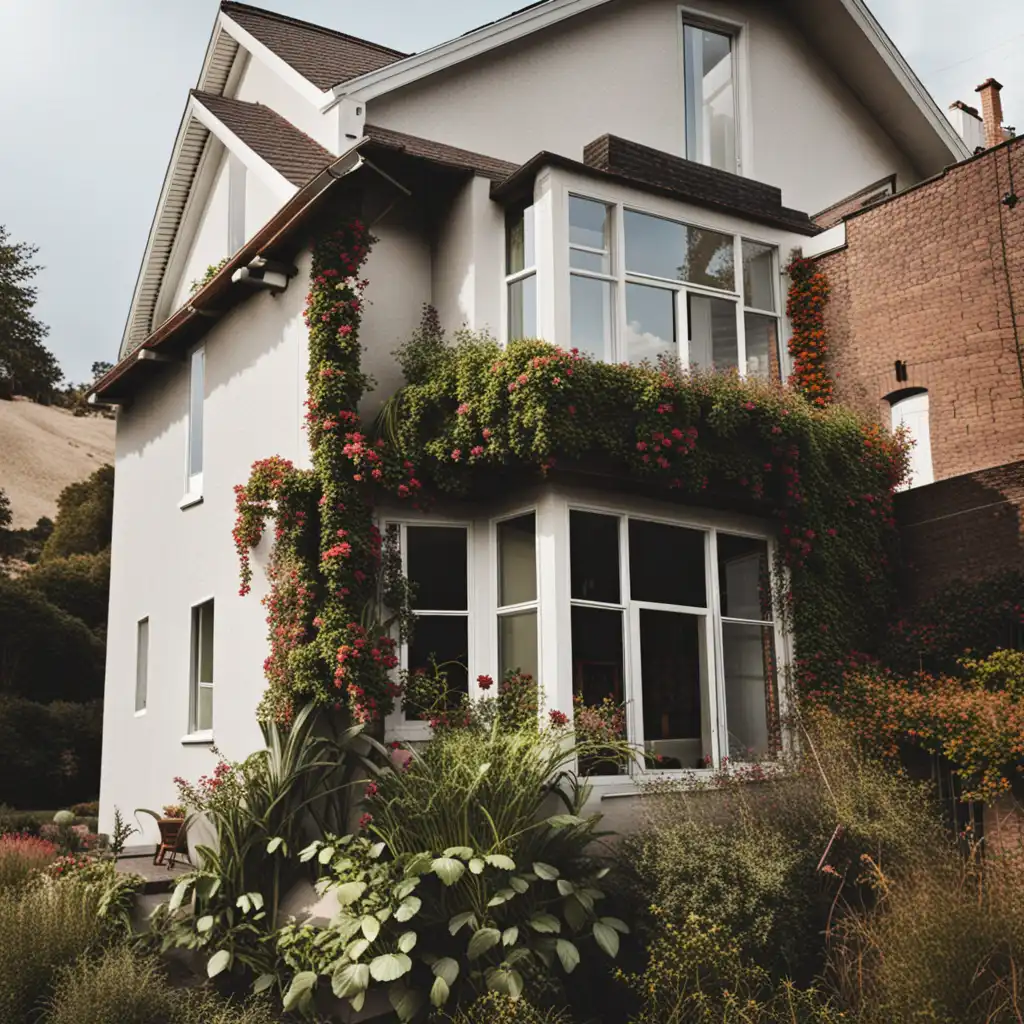
The leeward side of the house is best for planting delicate flowers.
leeward
ˈliːwərd,ˈluːərd
Loading…
ˈliːwərd,ˈluːərd
On or toward the side away from the wind.
The leeward side of the house is best for planting delicate flowers.
ˈliːwərd,ˈluːərd
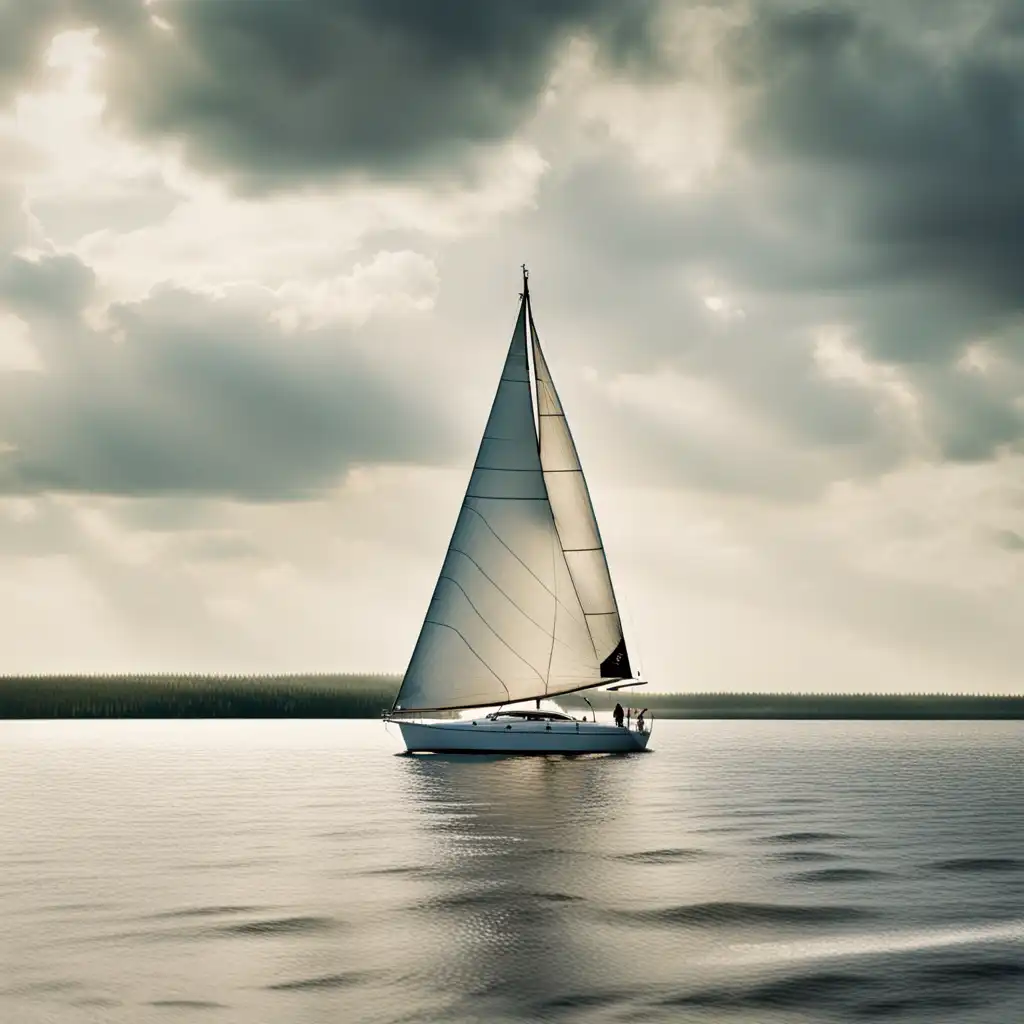
The direction in which the wind is blowing.
Make sure to set the sail towards the leeward.
Audio could not be loaded. Please try again later.
The word "leeward" means the direction away from the wind. It is often used when describing the position of a boat, ship or an object in relation to the wind. For example, if the wind is coming from the north, the leeward side of the boat would be the side facing south, as it is sheltered from the wind. The word can also be used to describe the side of a mountain or hill that is sheltered from the wind. It is important to understand the concept of leeward when sailing, hiking, or studying weather patterns.
Calm refers to a state of being peaceful or relaxed, indicating that there is no disturbance or commotion in a particular place or situation.
It may be applicable in any situation where there is a lack of disturbance, such as a calm person or a calm sea.
Calm refers to a state of peace, while leeward refers to the direction where the wind is blowing towards, indicating protection from the wind.
Open word: Calm →Leeward refers to the direction that is sheltered from the wind whereas protect means to keep something safe from harm or danger.
For example, if a boat is anchored on the leeward side of an island, it means that it is positioned in a way that the island protects it from the wind.
Protect is used in situations where we need to safeguard something from harm or damage. For example, we might protect our skin from the sun by using sunscreen, or we might protect our property by installing a security system.
Leeward describes direction while protect is related to safety or safeguarding.
Open word: Protect →Shelter refers to a place or a structure that provides protection or cover from the weather or other unpleasant elements.
This could include protection from wind, rain, sun, or snow. Shelter could be anything from a small tent to a large building.
Leeward describes the direction from which the wind is blowing while shelter refers to a place that provides protection from the weather.
Open word: Shelter →The words leeward and windward are used to describe directions relative to the wind. Windward refers to the side of an object or place that faces the wind or is in the direction that the wind is blowing, while leeward refers to the side that is sheltered from the wind or is in the opposite direction to where the wind is blowing.
For example, if you are sailing a boat, the windward side of the sail will be the side that is catching the wind and propelling the boat forward, while the leeward side will be the side that is sheltered from the wind.
On a mountain, the windward side will be the side that receives more rain or snow and has steeper terrain due to the wind's effect, while the leeward side will be drier and have gentler slopes.
Windward refers to the side facing the wind, while leeward refers to the side sheltered from the wind.
Open word: Windward →Wild Leaps Of Faith %\PIPE%...
Watch on YouTube ↗Avalanche %\PIPE% Do or Die
Watch on YouTube ↗