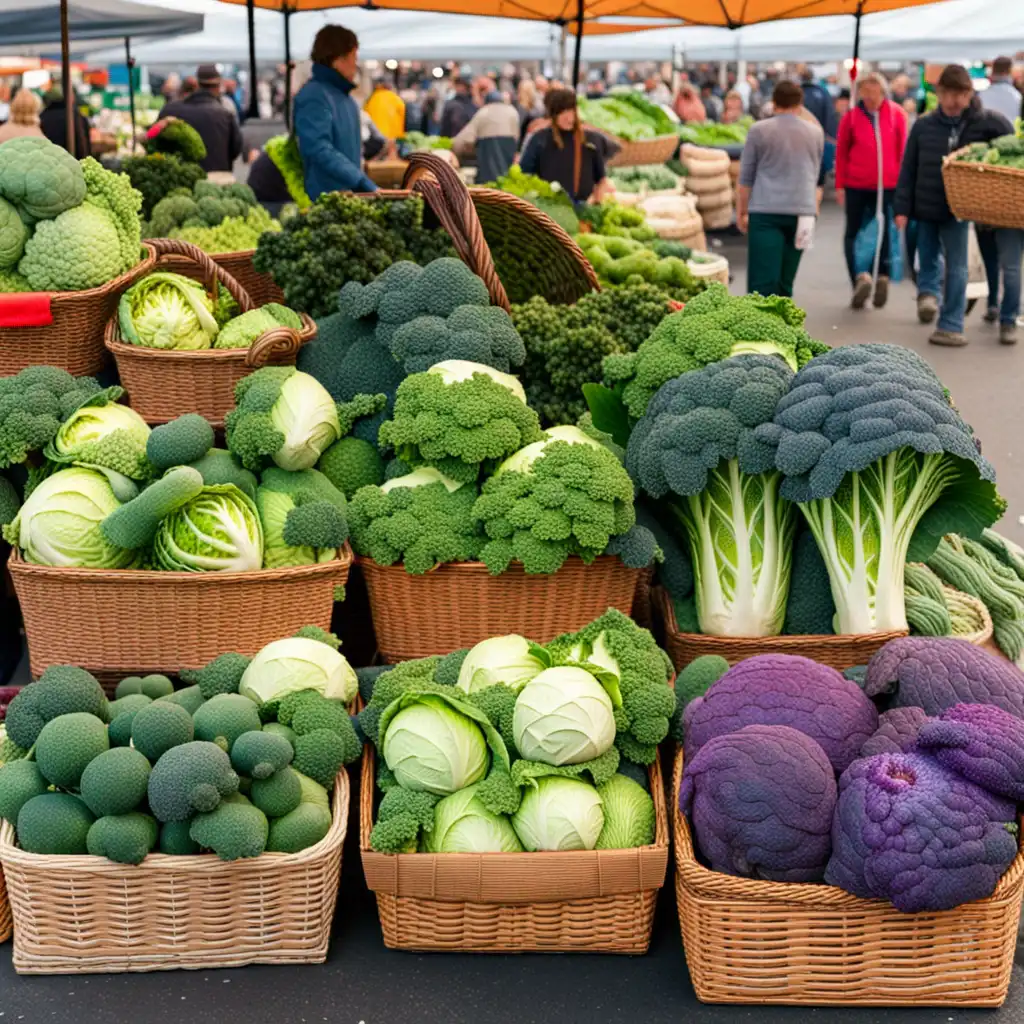
brassica
noun brassica
ˈbræsɪkə
A type of plant that includes vegetables like cabbage and broccoli.
You can find different types of brassica at the farmer's market.
brassica
ˈbræsɪkə
Cargando…
ˈbræsɪkə
A type of plant that includes vegetables like cabbage and broccoli.
You can find different types of brassica at the farmer's market.
No se pudo cargar el audio. Inténtalo de nuevo más tarde.
Brassica is a word used to describe a group of plants that includes cabbage, broccoli, Brussels sprouts, and cauliflower. It is a scientific term that you might hear in a biology class or in a conversation about gardening or cooking. If you are learning English, it may be helpful to know that brassica is often used in a more formal or technical context, rather than in everyday conversation.
Arugula is a leafy vegetable with a peppery taste that is commonly used in salads and as a garnish. Brassica is a family of vegetables that includes cabbage, broccoli, and kale.
While arugula is a specific vegetable, brassica refers to a whole group of vegetables. Both can be used in salads, but brassica vegetables are typically cooked as well.
Abrir palabra: Arugula →Brassica is a plant genus that includes many different vegetables, including broccoli, kale, and cauliflower.
Essentially, broccoli is a type of brassica.
Brassica is a broader term used for a family of plants that includes broccoli, cauliflower, Brussels sprouts, kale, etc.
Broccoli is a specific vegetable that belongs to the brassica family. It has a thick, green stem and small, tightly packed flower heads that are usually green in color.
Brassica would be a more general term that refers to a family of vegetables, while broccoli would be a more specific term that refers to a single vegetable within that family.
Abrir palabra: Broccoli →Brassica is a genus of plants that includes many different vegetables like cabbage, broccoli, cauliflower, kale, and Brussels sprouts.
Cabbage is a specific type of Brassica plant that has edible leaves formed into a dense head.
So, while all cabbages belong to the Brassica genus, not all Brassica vegetables are cabbage. For example, broccoli belongs to the same genus as cabbage but is not a type of cabbage.
In terms of usage, brassica is usually used in a more scientific or technical context, while cabbage is used to refer specifically to the leafy vegetable typically used in cooking or eaten raw in salads.
Abrir palabra: Cabbage →Brassica is a term used to refer to a family of plants that includes broccoli, cauliflower, kale, and cabbage. Cauliflower is a specific type of plant belonging to the brassica family that is characterized by its large, white, edible flower.
In other words, cauliflower is a type of brassica plant, but not all brassica plants are cauliflower. The term brassica is more commonly used in scientific contexts, while cauliflower is a more specific term used in everyday language to refer to this particular vegetable.
Abrir palabra: Cauliflower →Brassica is a type of plant family that includes many leafy greens such as kale, broccoli, and cabbage. Kale is a specific type of leafy green that belongs to the brassica family.
In other words, kale is a type of brassica plant.
Brassica can be used more broadly to refer to the larger family of plants, while kale specifically refers to one type of brassica that is typically consumed as a leafy green vegetable.
Kale is a type of brassica, but not all brassicas are kale.
Abrir palabra: Kale →Brassica refers to a group of plants that includes broccoli, cabbage, and cauliflower. Mustard refers specifically to a plant that is used to make the condiment we add to our food.
Mustard is made from the seeds of the mustard plant, which belongs to the Brassica family. While Brassica plants can be eaten as vegetables, mustard plants are used primarily to make mustard.
In summary, Brassica refers to a group of plants, while mustard refers to a specific plant used to make the condiment we put on our food.
Abrir palabra: Mustard →Brassica refers to a whole family of vegetables that include broccoli, cauliflower, cabbage, and kale. Radish specifically refers to a root vegetable that is commonly eaten raw in salads or pickled.
Brassicas are generally cooked and eaten as a side dish, while radishes are eaten raw as a snack or added to salads. Both brassicas and radishes are nutritious and can be included in a healthy diet.
Abrir palabra: Radish →Brassica is a type of plant genus that includes many different vegetables such as broccoli, cauliflower, and cabbage. Turnip specifically refers to a type of root vegetable that is part of the Brassica genus.
This means that turnip is a specific type of brassica plant.
In cooking and gardening, the term brassica is often used to refer to a group of leafy green vegetables that are related to each other, while turnip is used specifically to refer to the root vegetable that is used in dishes like mashed turnips or roasted turnips.
Brassica is a type of plant genus that includes many different vegetables, while turnip is a specific type of brassica plant that refers to a root vegetable commonly used in cooking.
Abrir palabra: Turnip →