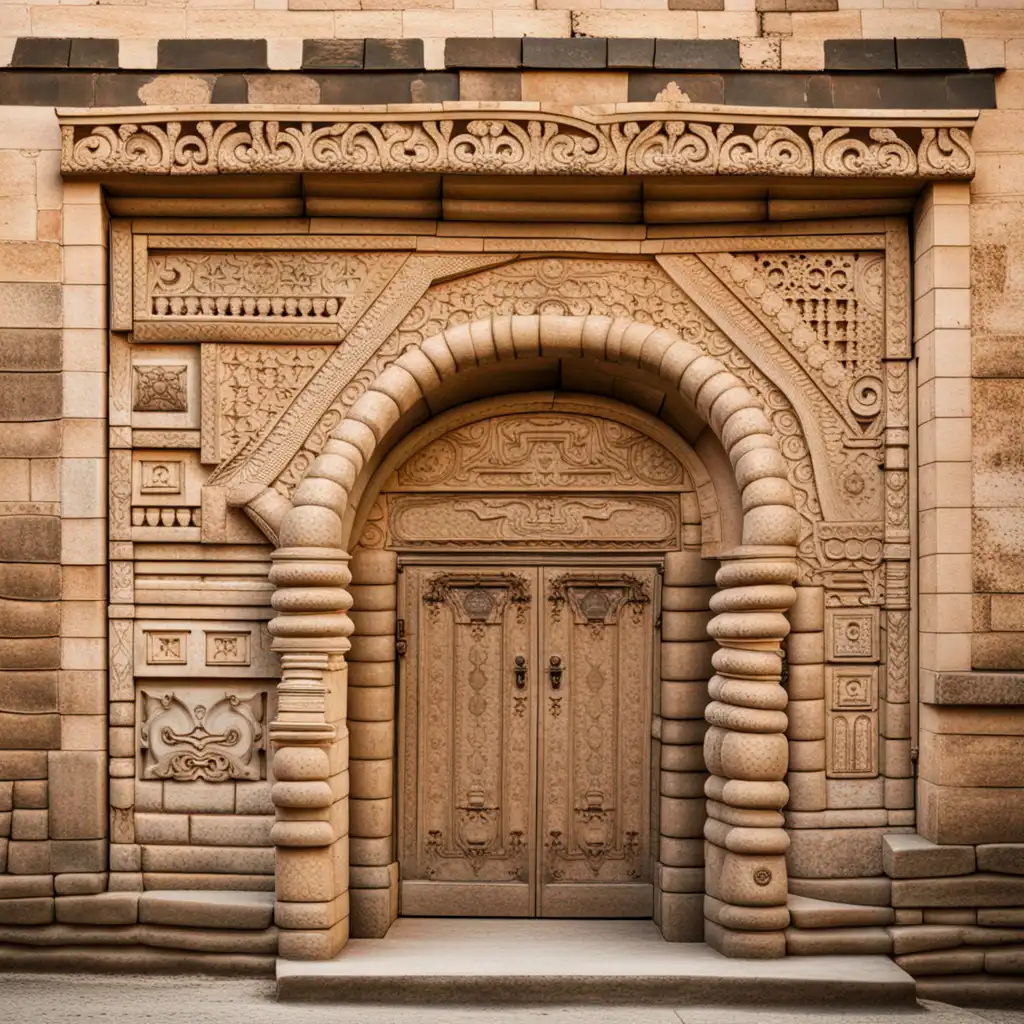
ornamentation
noun ornamentation
ˌɔːrnəmenˈteɪʃn
Something that adds beauty or attractiveness to something else
The old building has beautiful ornamentation on its walls
ornamentation
ˌɔːrnəmenˈteɪʃn
불러오는 중…
ˌɔːrnəmenˈteɪʃn
Something that adds beauty or attractiveness to something else
The old building has beautiful ornamentation on its walls
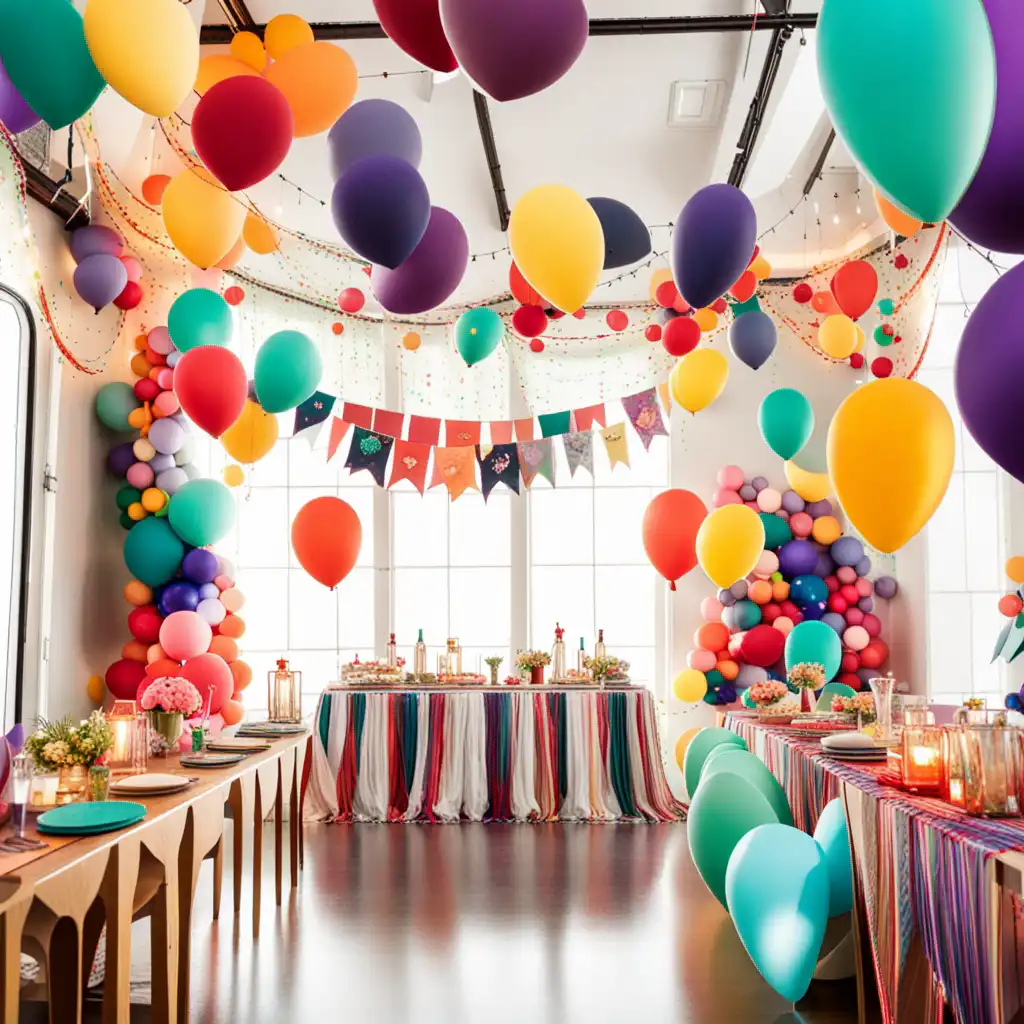
ˌɔːrnəmenˈteɪʃn
The act of decorating something
The ornamentation of the room was done tastefully for the party

ˌɔːrnəmenˈteɪʃn
In music, additional notes or patterns that are added to the main melody
The singer used ornamentation to add complexity to the song
오디오를 불러오지 못했어요. 잠시 후 다시 시도해 주세요.
The word 'ornamentation' refers to the act of decorating or embellishing something. We use this word when we want to describe the addition of beautiful or fancy features to an object or structure. For example, we might say that a building has ornate ornamentation on its façade, meaning that it has elaborate decorative elements that enhance its appearance. Or we may describe a piece of jewelry as having intricate ornamentation, meaning that it has delicate and detailed decorations. Essentially, when we talk about ornamentation, we are talking about the ways in which we make things look more beautiful or attractive.
Adorn means to decorate something with items that enhance its beauty or attractiveness. For example, you can adorn a room with paintings, furniture or plants.
So, while adornment refers to the act of adding decorative elements to something, ornamentation refers to the specific details or accessories that are added.
단어 열기: Adorn →Decorate means to add something to an object to make it look more attractive, such as adding paint, wallpaper, or furniture to a room.
Decorate is adding new things to make something look better, while ornamentation is adding decorative elements to something to make it look more ornate.
단어 열기: Decorate →Embellish means to add additional details or decorations to something in order to make it more attractive, interesting or appealing.
This can be applied to clothing, artwork, music, writing, and more. For example, an artist might embellish their painting with a few extra brushstrokes or a writer might embellish their story with a vivid description.
단어 열기: Embellish →Embroidery refers to the process of decorating fabric using a needle and thread, creating designs and patterns on the fabric.
Ornamentation refers to the process of decorating something with the addition of ornament or decoration, including but not limited to embroidery.
Embroidery is specifically applicable to fabric or textiles, while ornamentation can be applied to a variety of objects, such as metal, wood, or ceramics.
Generally, embroidery involves creating a design on fabric, while ornamentation can involve many different techniques and materials, depending on the object being decorated.
단어 열기: Embroidery →Enhance means to improve or make something better by adding something valuable or useful to it.
It can be applicable in many contexts such as enhancing the taste of a dish by adding spices or enhancing the appearance of a room by adding plants.
Enhance means to improve while ornamentation means to decorate.
단어 열기: Enhance →Enrich means to improve something by adding value or enhancing its quality. For example, when we add nutrients to food, we enrich it.
Enrich focuses on adding value or enhancing the quality of something, while ornamentation focuses on adding decorative elements to enhance its visual appearance.
단어 열기: Enrich →Finery refers to clothing or accessories that are fancy or extravagant, often worn on special occasions or events. Ornamentation refers to the act of adding decorative elements to something, such as a piece of furniture or a building.
Finery is applicable when discussing fancy clothing or accessories, while ornamentation is applicable when discussing adding decorative elements to something.
단어 열기: Finery →Both garnish and ornamentation refer to the act of decorating, but garnish is typically used to describe small decorative touches that are added to food or drinks to enhance their appearance or flavor.
For example, parsley on top of a dish of pasta is a garnish. Ornamentation refers to the act of decorating or embellishing something more broadly, such as a piece of jewelry or a building.
It involves adding decorative elements to enhance the overall aesthetic or to convey a certain message or meaning. To sum it up, garnish is used in the context of food decoration, while ornamentation is used more broadly in the context of general decoration.
단어 열기: Garnish →Trim refers to a narrow strip of material (such as fabric, leather, or metal) that is added to the edges or seams of clothing, furniture, or other objects to give them a finished look.
Trim can be functional (such as adding reinforcement to a seam or protecting exposed edges) or decorative (such as adding a contrasting color or texture).
So while ornamentation is focused on adding decorative elements to the overall appearance of something, trim is more about finishing and refining the details.
Both can be used in a variety of contexts, but ornamentation tends to be more elaborate and showy, while trim is often more subtle and functional.
단어 열기: Trim →Is this the most...
YouTube에서 보기 ↗Down below the broad, roaring waves of the sea break against the deep foundation of the rock. But high above the mountain, the sea, and the peaks of rock the eternal ornamentation blooms silently from the dark depths of the universe.
How to live and act (and...
YouTube에서 보기 ↗Artistic tricks divert from the effect that an artist endeavors to produce, and even excellent elements such as bullets, arrows, brackets, ornate initials, are at best superficial ornamentation unless logically employed.
A New Understanding of...
YouTube에서 보기 ↗While I tend to keep embellishment minimal as my clients often possess some of the finest jewellery, I enjoy creating ornamentation that appears like installations, to compliment the overall look.
Nalini Nadkarni: For the...
YouTube에서 보기 ↗If one has a good disposition, what other virtue is needed? If a man has fame, what is the value of other ornamentation?