seepage
noun seepage
ˈsiːpɪdʒ
The process of slowly flowing or trickling of a liquid through something
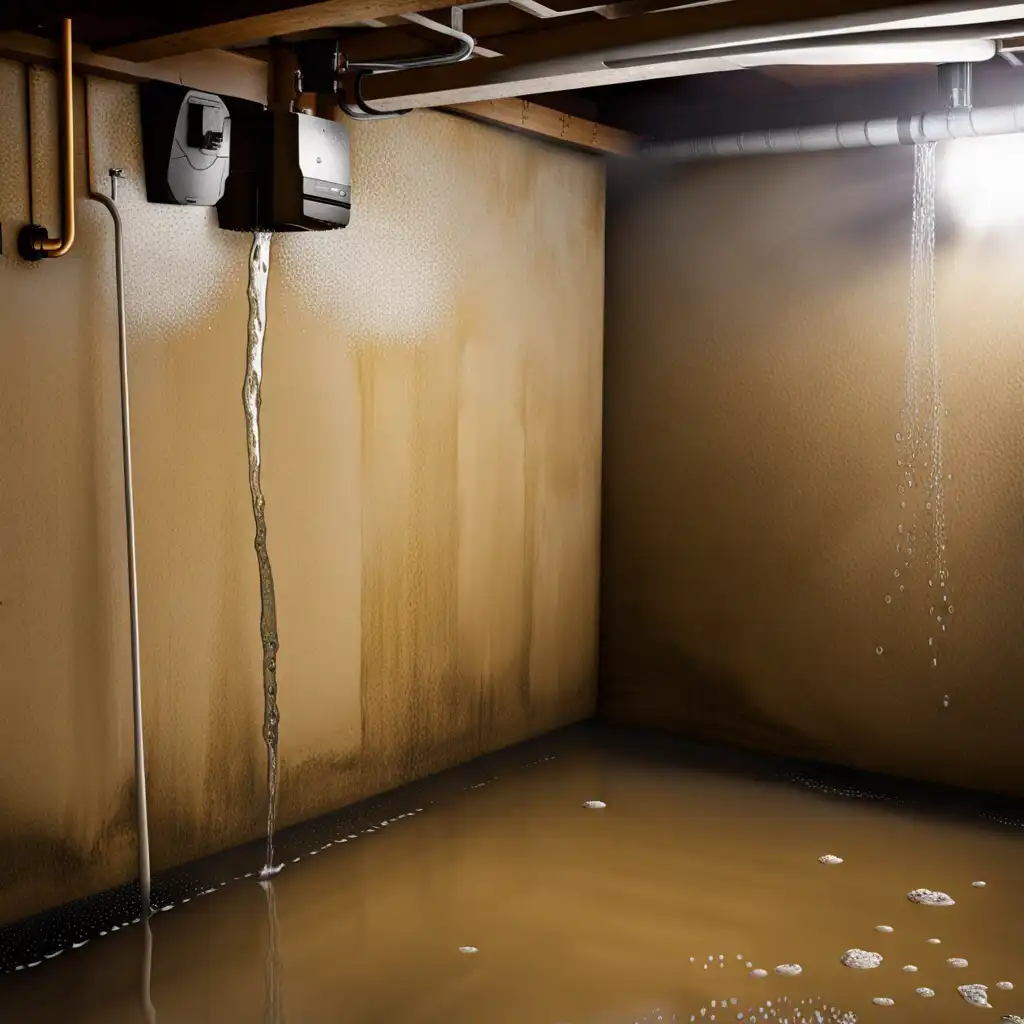
The seepage of water through the basement walls is causing moisture problems in the house.
seepage
ˈsiːpɪdʒ
Chargement…
ˈsiːpɪdʒ
The process of slowly flowing or trickling of a liquid through something
The seepage of water through the basement walls is causing moisture problems in the house.
ˈsiːpɪdʒ
A quantity of something that has seeped out
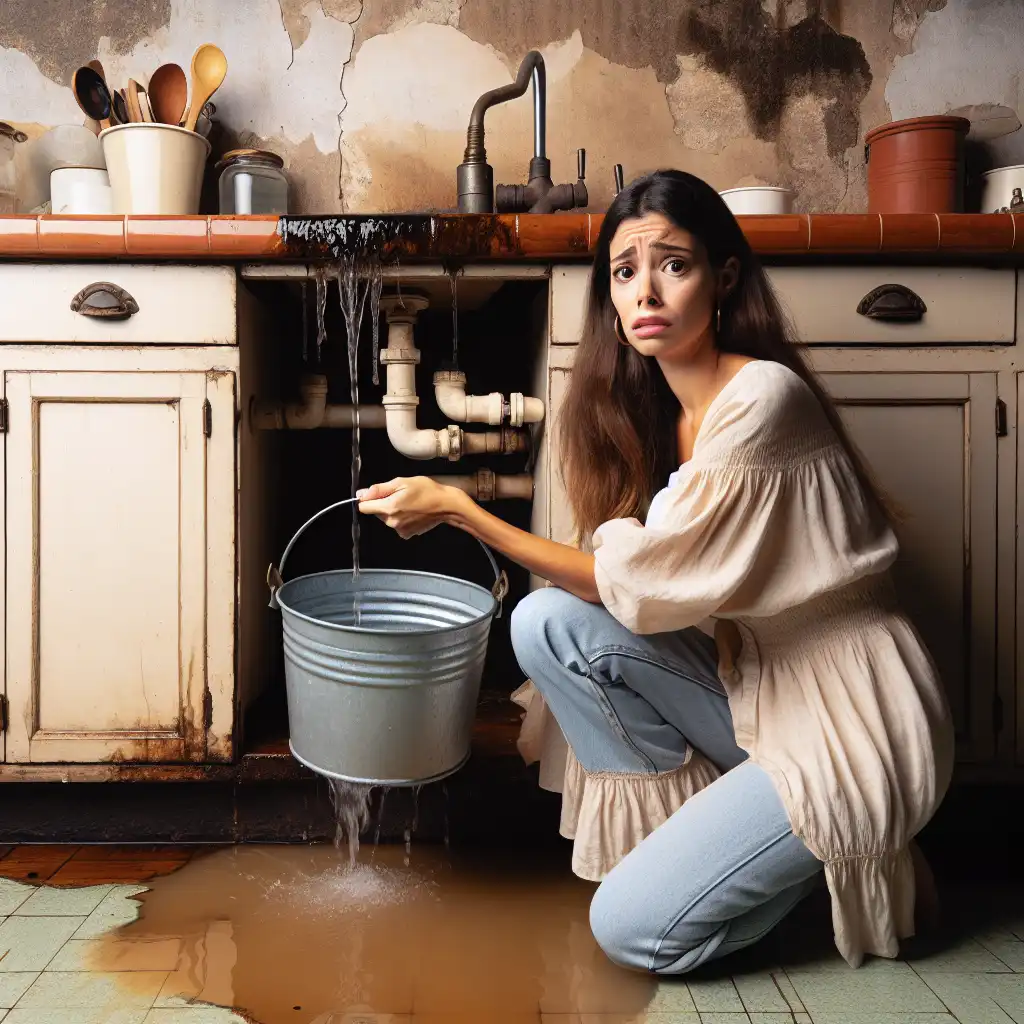
The seepage from the old pipes is creating a mess in the kitchen.
ˈsiːpɪdʒ
The amount of fluid lost from a reservoir due to natural causes
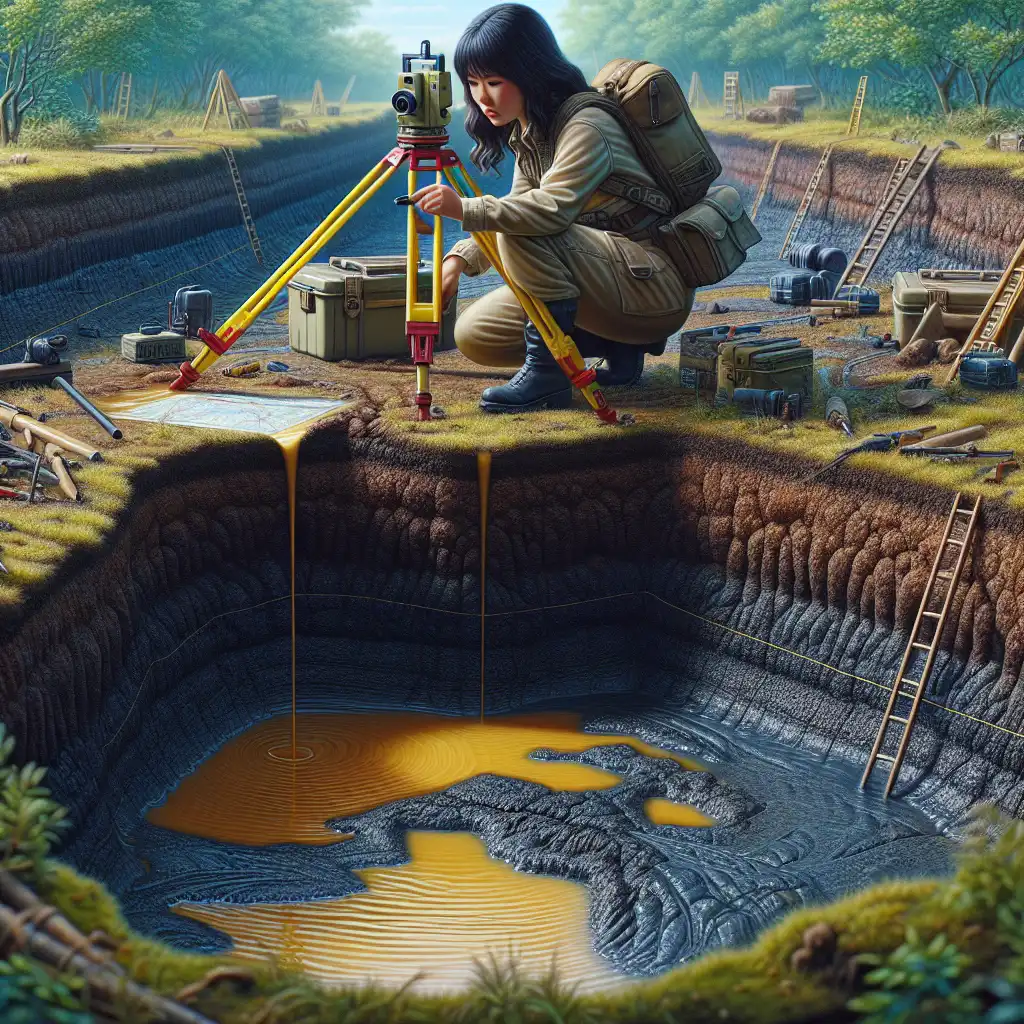
The seepage rate of the oil reservoir was found to be significant after the survey.
Impossible de charger l’audio. Réessayez plus tard.
Seepage is a word that describes water or other liquids slowly leaking out of something, like soil, rock, or a container. It can also refer to gases or other substances moving slowly through a material. Seepage is often used when talking about things like groundwater, where water moves through the soil and rocks underground. It can also be used to describe things like oil leaks or leaks in a gas line. Seepage is usually not very fast or sudden, but happens gradually over time.
Drainage refers to the process of water flowing or being removed from a specific area through a network of pipes, sewers, or ditches.
Drainage is applicable in areas that require the efficient management of water, such as residential areas, commercial buildings, and farming fields.
Drainage is about removing water quickly and efficiently, while seepage is about managing the slow movement of water through porous materials.
Ouvrir le mot: Drainage →Drip refers to a small amount of liquid that falls in drops. This usually happens when the liquid is falling from a height or when it is flowing rapidly.
A drip can be seen and heard, as it makes a dripping sound. Typically, this word is used when referring to water leaking from a faucet or a raindrop falling from the sky.
Seepage often refers to the movement of water underground, through soil or rocks. Unlike drip, seepage is usually not visible or audible, as the liquid is absorbed by the surface it passes through, making it difficult to detect unless it emerges on the other side, perhaps as a puddle or wet spot.
Drip is used when referring to a small drop or trickle that is visible and audible, whereas seepage is used when referring to a slow, unseen, and steady flow of water that penetrates a surface.
Ouvrir le mot: Drip →Infiltrate means to enter or penetrate something or somewhere, usually surreptitiously or with a hidden motive. For example, a spy may infiltrate an enemy organization or a virus may infiltrate a computer system.
In other words, infiltrate involves intentionally entering or penetrating something while seepage involves accidentally leaking out of something.
Ouvrir le mot: Infiltrate →Leakage and seepage both refer to the movement of fluid through a porous substance, but there are differences between the two terms.
Leakage generally implies a sudden loss of containment, where fluid flows freely through a defect, such as a hole or crack.
Leakage can be applied in situations where a container or system is compromised and fluids intentionally or unintentionally escape, such as a leaking pipe or a container with a hole.
In summary, while both leakage and seepage refer to the movement of fluids through porous materials, leakage implies a sudden or rapid loss of containment while seepage refers to a gradual or slow movement.
Ouvrir le mot: Leakage →ooze and seepage both refer to the slow movement of a liquid through a porous material.
Ooze usually refers to a thick, sticky substance that moves slowly, like mud or blood. It often implies that the substance is coming out of a living thing.
If you were describing the movement of water through soil, you would use seepage. But if you were describing blood slowly leaking out of a wound, you might use ooze.
Ouvrir le mot: Ooze →Both percolate and seepage are related to the movement of fluids through a porous material.
Percolate means to flow slowly through a filter, especially a porous substance like coffee grounds, soil, or rocks. For example, water percolates through soil and rocks to form groundwater.
Percolate refers to slow and intentional movement, while seepage refers to unintended and potentially problematic movement.
Ouvrir le mot: Percolate →Trickle refers to the movement of a liquid in small drops or a thin stream. Trickle happens when there is enough pressure to force the liquid out, but not so much that it comes out in a large volume.
Trickle is applicable in situations like a faucet that is only slightly open or the flow of water from a small stream.
The main difference between seepage and trickle is the speed at which the liquid moves and the pressure required for it to move.
Seepage is slow and gradual, while trickle is faster and happens in small drops or a thin stream.
Ouvrir le mot: Trickle →Descendents of Cahokia %\PIPE%...
Voir sur YouTube ↗How does fracking work?...
Voir sur YouTube ↗Fascinating Termite...
Voir sur YouTube ↗