cantor
noun cantor
ˈkæntɔːr
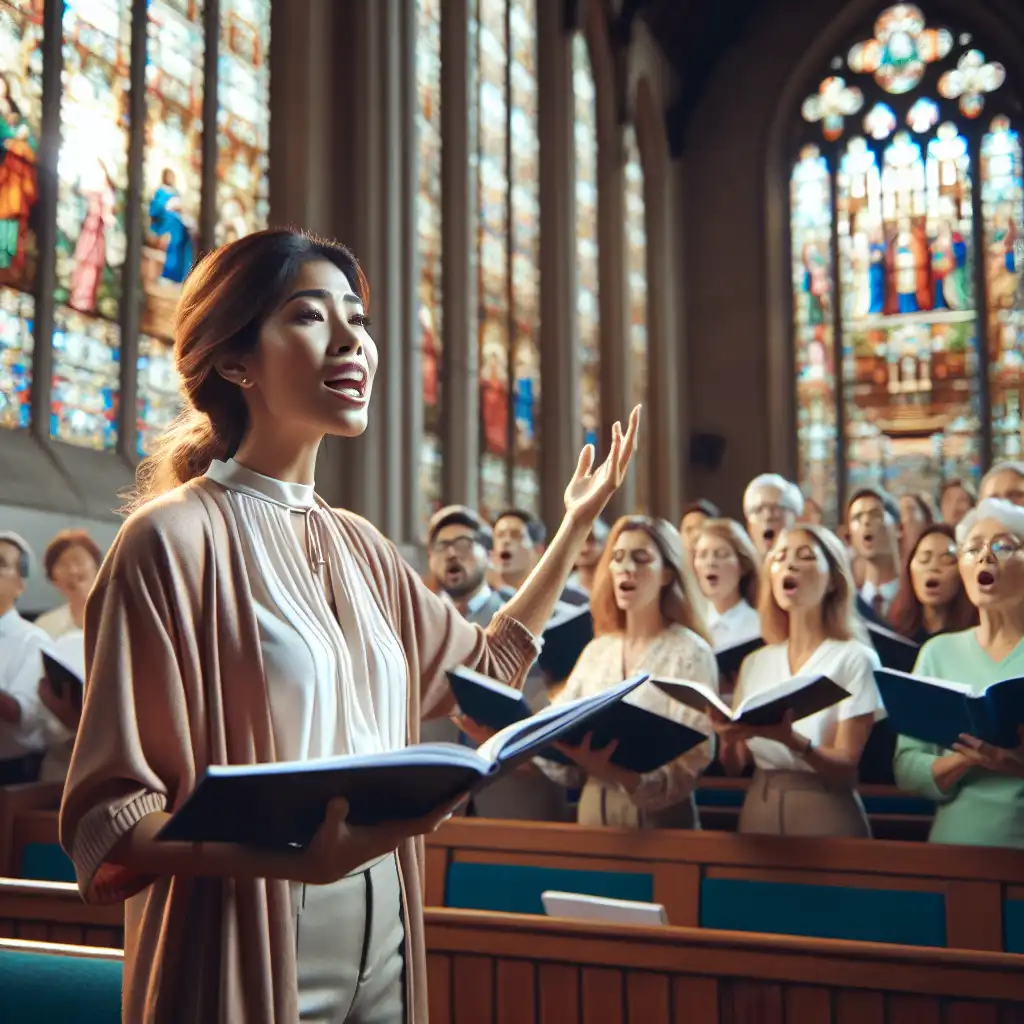
A person who leads singing, especially in a church
The cantor led the choir in singing the hymn.
cantor
ˈkæntɔːr
Loading…
ˈkæntɔːr
A person who leads singing, especially in a church
The cantor led the choir in singing the hymn.
ˈkæntɔːr
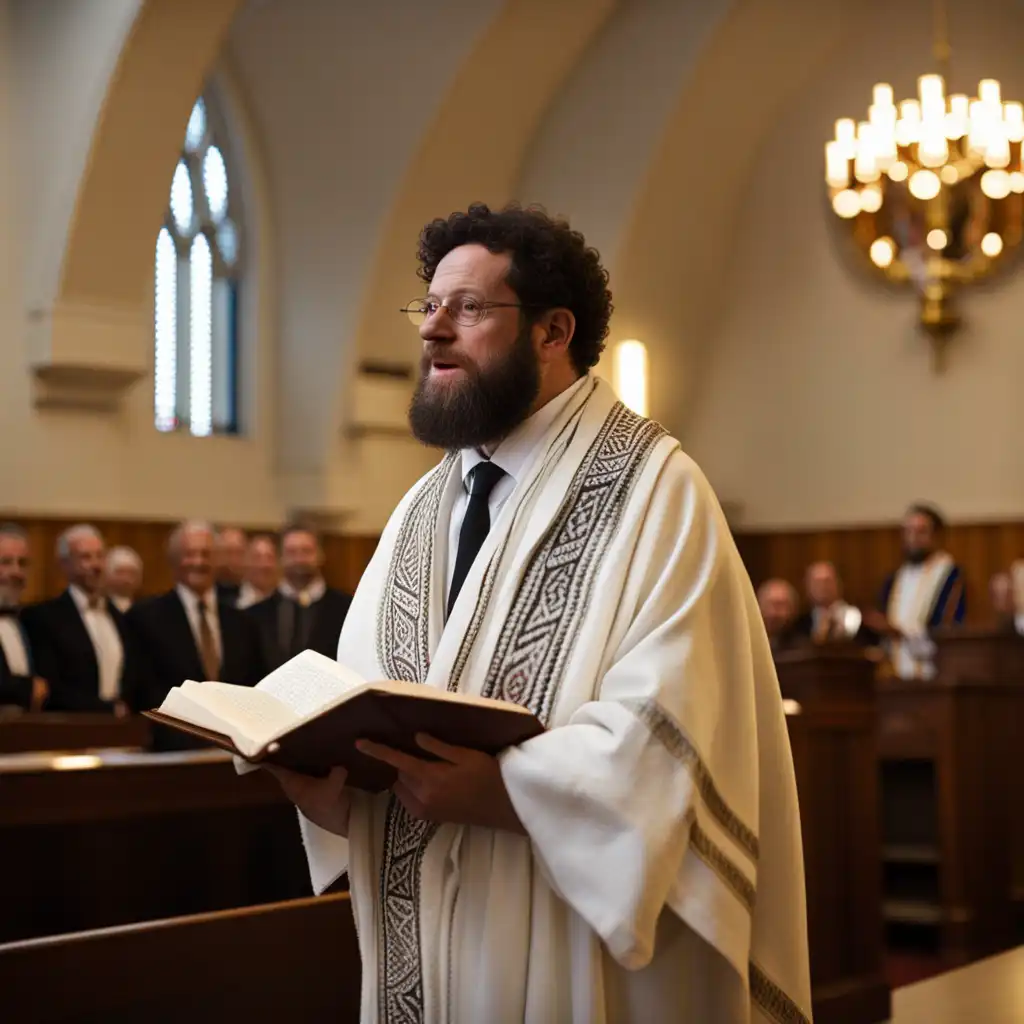
A person who leads the service in a Jewish synagogue
The cantor beautifully chanted the prayers in Hebrew.
Audio could not be loaded. Please try again later.
A cantor is a person who leads the singing or recitation during a religious service. They are often found in churches, synagogues or temples, and their role is to guide the congregation in singing hymns, psalms or prayers. In some cases, a cantor may also perform solo music pieces or lead a choir. If you are attending a religious service, you may hear the term "cantor" used to refer to the person who is leading the singing or recitation.
A chorister is a member of a choir who sings in a group, usually in a church or other religious institution. While both involve singing during religious services, a cantor leads the congregation in singing while a chorister is part of a group that sings together.
Cantors are typically found in Jewish synagogues, while choristers are found in various religious institutions.
Open word: Chorister →A minstrel is a musician who performs secular music, particularly in a medieval or Renaissance setting. They may sing ballads, play an instrument like a lute or harp, and tell stories or perform comedic or theatrical acts.
A cantor is typically associated with religious music, while a minstrel is associated with historical or folk music.
Open word: Minstrel →A musician is someone who creates, performs, or studies music as art. They may specialize in a particular instrument or musical style.
While a musician can perform in a variety of settings, a cantor typically performs in a religious or spiritual context.
A musician may perform in a concert hall, recording studio, or other venues.
A cantor is a type of musician, but their role specifically involves leading religious singing in a worship setting.
Open word: Musician →A singer is a person who sings songs or performs musical pieces for entertainment or artistic purposes.
So, while a cantor is specific to leading worship in a Jewish context, a singer can perform in a variety of settings, such as concerts, musical productions, or even just for personal enjoyment.
Open word: Singer →A troubadour is a medieval term used to describe a poet, musician or performer who travels around entertaining people with their music and poetry.
While a cantor's role is primarily focused on leading religious songs, a troubadour's role is to entertain audiences through their art, usually in a secular setting.
Open word: Troubadour →A vocalist is a person who sings or performs vocal music. This can apply to a wide variety of musical genres and contexts, from pop singers to opera singers to choir members.
So while both cantors and vocalists may involve singing or vocal performance, the main difference is their specific role and context.
A cantor is typically associated with religious or spiritual music and has a specific leadership role in the worship service, while a vocalist may perform in a variety of settings and styles.
Open word: Vocalist →I have a wonderful synagogue, fantastic rabbi and cantor and membership, and they just enrich my life every day, and I learned so much from helping to grow our synagogue, grow our membership, and meet the needs of such a diverse population.
I knew I had a remarkable voice, but I was embarrassed because it was so high. But when I sang at my bar mitzvah, the rabbi was in tears. He said to my parents, 'He must become a cantor in the synagogue,' but my mother said, 'No, he's going to be a concert pianist.
When have you ever heard of a cantor or any artist turning anyone down when he is strongly urged to perform?
In my neighborhood, everyone had an opinion on the local cantor. You didn't go to a synagogue to listen to the rabbi's sermon. You went to listen to the cantor. It was like a concert.
Listen to any cantor, any good hazan, sing and you can hear a little bit of Ray Charles going on.
Look at Allen Ginsberg. In poems like 'Kaddish' and 'Howl,' you can hear a cantor between the lines. It's fully alive, and I think that's what's missing in modern poetry. It's too dry and cerebral.
A cantor, when he starts singing, it's like rain - once it starts, it's hard to stop.