oxidation
noun oxidation
ˌɑːksɪˈdeɪʃn
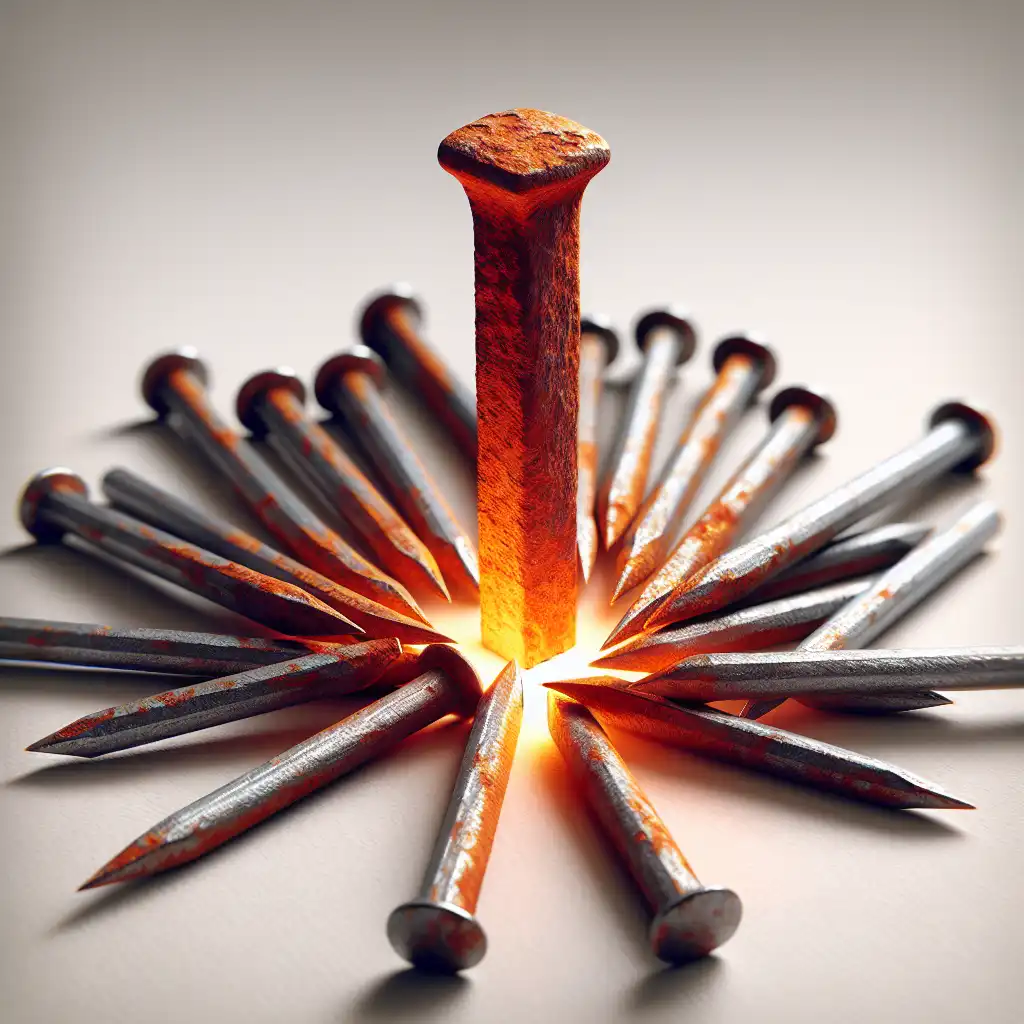
A process in which a substance reacts with oxygen, often producing energy in the form of heat or light.
Rusting of iron is a well-known example of oxidation.
oxidation
ˌɑːksɪˈdeɪʃn
불러오는 중…
ˌɑːksɪˈdeɪʃn
A process in which a substance reacts with oxygen, often producing energy in the form of heat or light.
Rusting of iron is a well-known example of oxidation.
ˌɑːksɪˈdeɪʃn
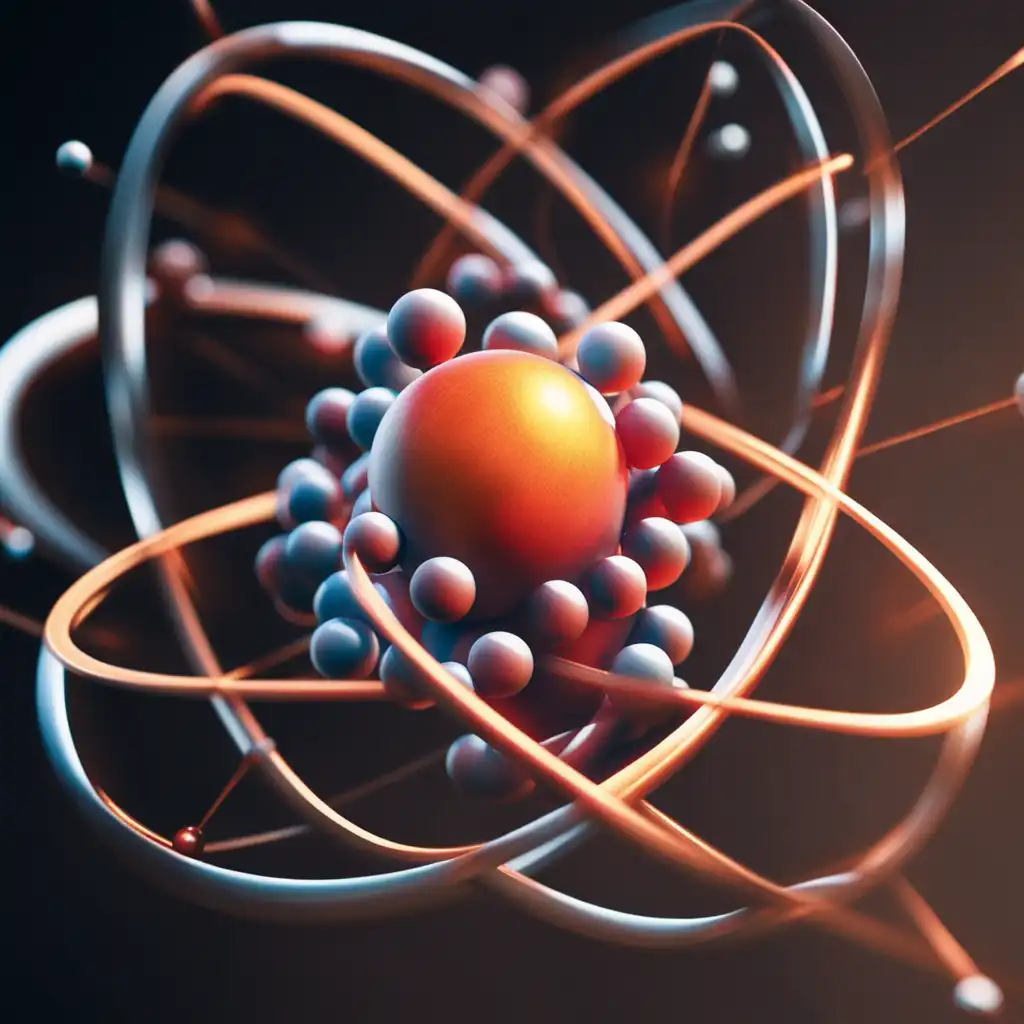
In chemistry, oxidation refers to any chemical reaction where a molecule, atom, or ion loses electrons.
During the oxidation process, the chemical substance loses electrons.
ˌɑːksɪˈdeɪʃn
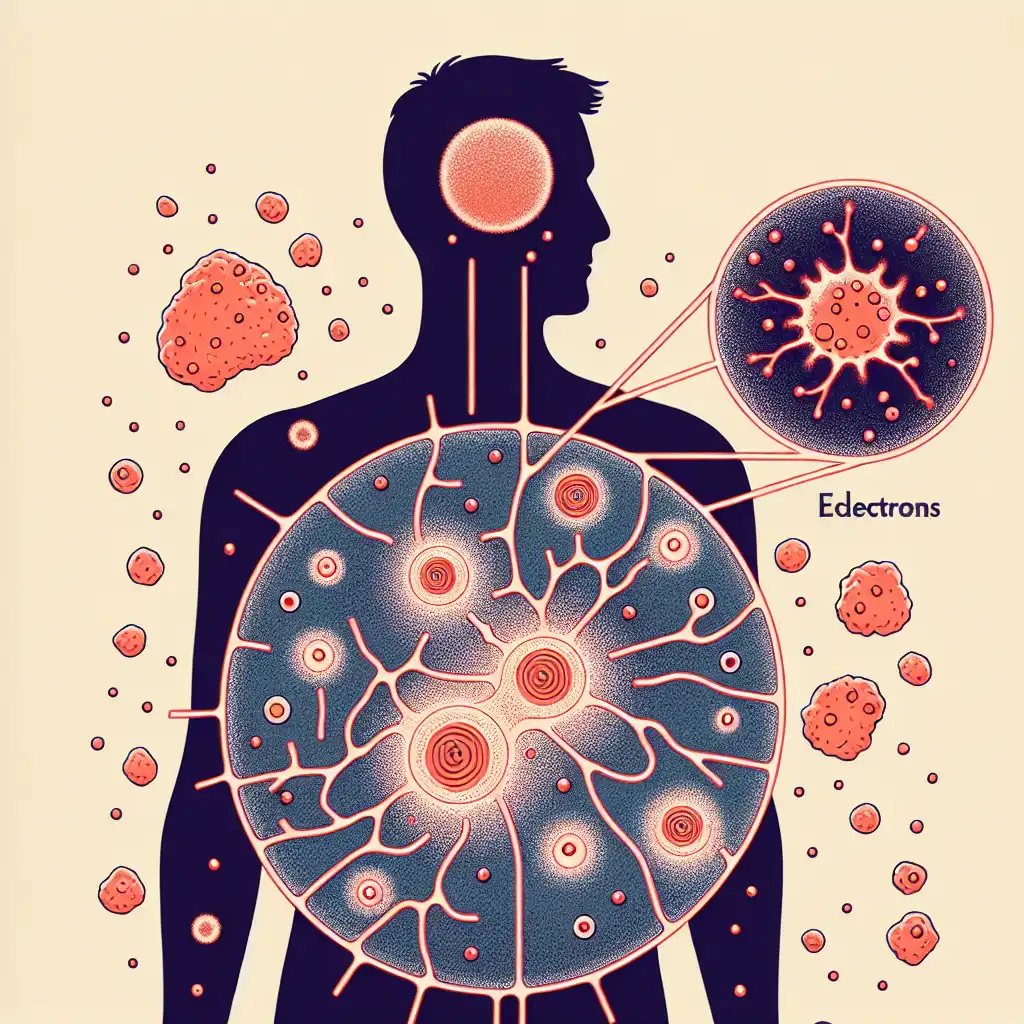
In the body, oxidation refers to the process of removing electrons from a substance or molecule, often producing harmful substances called free radicals.
Oxidation in our bodies leads to the creation of free radicals which can damage cells.
오디오를 불러오지 못했어요. 잠시 후 다시 시도해 주세요.
Oxidation is a process that happens when a substance reacts with oxygen. This often causes a chemical reaction that changes the substance in some way. For example, when metal rusts, it is undergoing oxidation because it is reacting with oxygen in the air. This can also happen with other materials, like food. When food oxidizes, it can spoil or become discolored. In chemistry, oxidation is an important concept that is used to understand how different substances react with each other. Overall, oxidation is a natural process that happens all around us, and it’s important to know about it to understand how different materials and substances behave.
Burn is a chemical reaction that usually produces heat and light, typically happening quickly and involving oxygen. Oxidation is simply the process of oxygen reacting with other chemicals, often resulting in a slow change over time.
For example, burning wood in a fire involves a rapid release of energy in the form of heat and light. Oxidation happens when metal rusts or when an apple turns brown after being exposed to air for a while.
Burn is applicable when there is a rapid release of energy or when there is a need for a fast reaction. Oxidation is applicable when there is a slow change over time or when we need to preserve something by preventing or slowing down the reaction with oxygen.
단어 열기: Burn →Corrosion refers to the deterioration of a material due to a chemical reaction with its environment. This can occur in metals, plastics, and other materials, and can be caused by exposure to water, chemicals, or other substances that react with the material.
Corrosion can cause materials to become weaker, brittle, or less effective over time.
Oxidation specifically refers to a reaction between a material and oxygen - this can also cause corrosion. For example, when iron reacts with oxygen in the presence of water, it can form rust, which is a form of corrosion caused by oxidation.
Corrosion is a broader term that refers to any type of deterioration caused by a chemical reaction, while oxidation specifically refers to a reaction with oxygen.
단어 열기: Corrosion →Decay is the natural process of something breaking down over time due to biological or chemical factors. For example, when a fruit rots, it is undergoing decay.
Both decay and oxidation involve a breakdown or change in a substance, but decay is usually a slower process that is biological or chemical in nature, while oxidation is a chemical reaction that often involves oxygen.
단어 열기: Decay →Degradation and oxidation are both chemical processes, but they refer to different things.
Degradation is a process in which a substance breaks down into smaller or simpler compounds. This can happen due to natural processes, like the decomposition of organic matter, or due to human activity, like the breakdown of plastics or other chemicals in the environment.
Both degradation and oxidation can happen in a variety of contexts.
Degradation is often used to describe the breakdown of natural materials or the breakdown of man-made materials in the environment.
단어 열기: Degradation →Deteriorate generally refers to something becoming worse over time due to a variety of factors. For example, a building that is not maintained can deteriorate over time, as can physical or mental health.
Deteriorate is a more general term for something getting worse over time, while oxidation specifically refers to a chemical process that can cause deterioration in some cases.
단어 열기: Deteriorate →Erosion is the process of wearing away or breaking down something through natural forces like wind, water, or ice. For example, when rainwater flows over rock and slowly washes it away, that's erosion.
Erosion is a geological process that happens over a long period of time.
Erosion is a natural process that wears away rock and soil over a long period of time, while oxidation is a chemical process that can happen quickly or slowly, depending on the situation.
단어 열기: Erosion →It can happen to any substance that can lose electrons. Rust is a type of oxidation that specifically happens to iron and steel.
When iron and steel are exposed to oxygen and moisture, a chemical reaction occurs that produces rust. Oxidation is a general term for a chemical process, while rust is a specific term for a type of oxidation that happens to iron and steel.
단어 열기: Rust →Oxidation and weather are two different processes that affect different things.
Weather refers to the atmospheric conditions that occur in a particular place over a period of time. This includes things like temperature, humidity, precipitation, and wind.
Weather affects the environment and living organisms.
Oxidation is a chemical reaction that affects substances, while weather is a natural phenomenon that affects the environment and living things.
단어 열기: Weather →How batteries work -...
YouTube에서 보기 ↗Hypertension is an important risk factor for kidney disease, but dietary sodium has other damaging effects on the kidneys. High salt intake drives the production of oxygen radicals, leading to oxidative stress in kidney tissue.
Erik Schlangen: A...
YouTube에서 보기 ↗We are not made up, as we had always supposed, of successively enriched packets of our own parts. We are shared, rented, occupied. At the interior of our cells, driving them, providing the oxidative energy that sends us out for the improvement of each shining day, are the mitochondria, and in a strict sense they are not ours.
Forest Stew %\PIPE% The Legend...
YouTube에서 보기 ↗Activating oxygen can produce compounds called radicals that put oxidative stress on cells. Such stress could ultimately lead to cancer and other diseases.
We managed to prepare a cell-free system which was active when suitably supplemented, and this was a novel result since the process of oxidation was believed to require the integrity of the cells.
This oxidation of hydrogen in stages seems to be one of the basic principles of biological oxidation.
Catalytic oxidation in living substances rests upon change of valency in an iron compound which is the respiratory oxygen-transferring ferment.
Biological energy comes from the sun. Light energy harvested by photosynthesis in chloroplasts and phototropic bacteria becomes stored in carbohydrates and fats. This stored energy can be released by oxidative metabolism in the form of adenosine triphosphate (ATP) and used as fuel for other biological processes.
So I set out to study the oxidation system in the potato, which, if damaged, causes the plant to turn brown. I did this in the hope of discovering, through these studies, the key to the understanding of adrenal function.
After returning from Cambridge in 1936, I did some work with J. M. Mioz on the oxidation of fatty acids in liver.