bratty
adjective bratty
ˈbræti
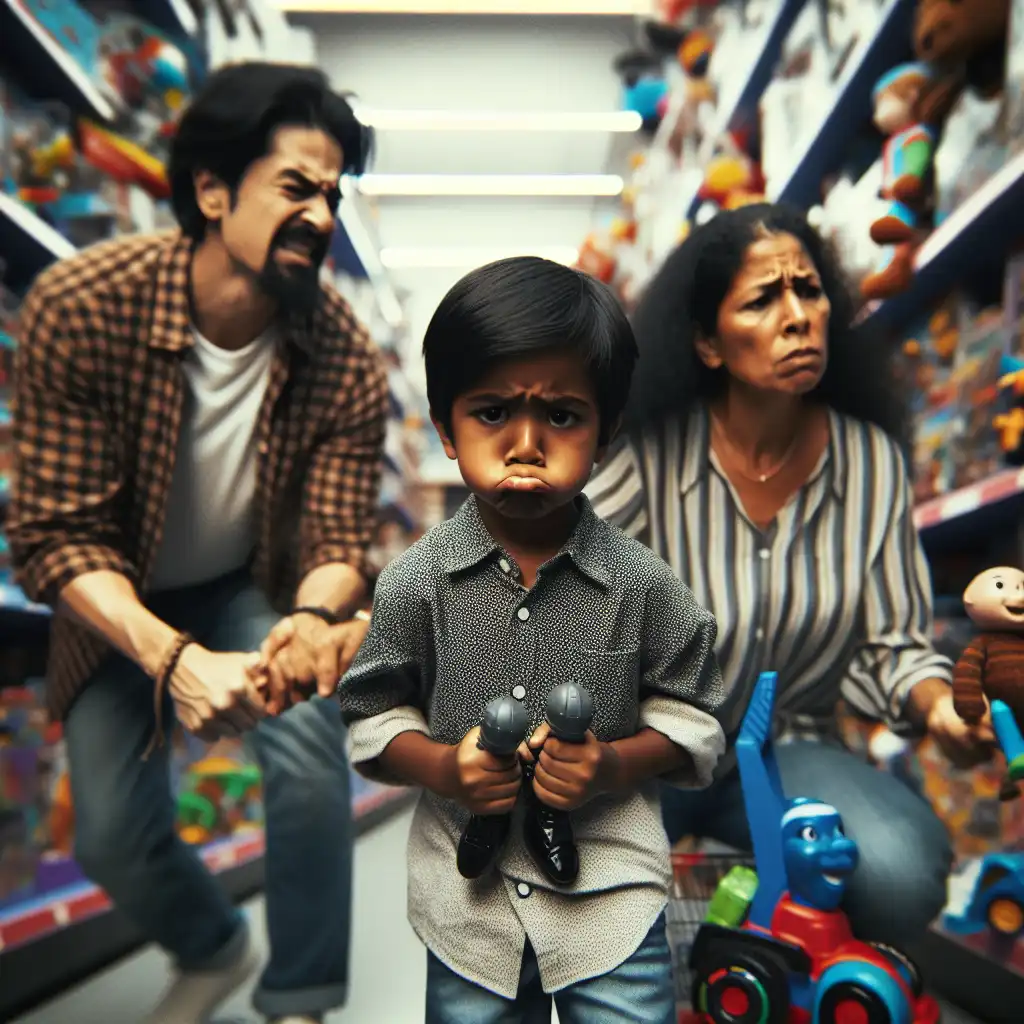
A person, usually a child, who is ill-mannered, egoistical or selfish.
The parents could not control their bratty child in the store.
bratty
ˈbræti
読み込み中…
ˈbræti
A person, usually a child, who is ill-mannered, egoistical or selfish.
The parents could not control their bratty child in the store.
音声を読み込めませんでした。しばらくしてからもう一度お試しください。
The word 'bratty' is used to describe someone, usually a child, who is behaving badly and being annoying or rude. For example, if a child is throwing a tantrum and refusing to do what they are told, you might say they are being bratty. It is not a nice word to use to describe someone, so it should be used with caution and only in appropriate situations.
Disobedient refers to someone who refuses to follow rules or orders, typically from someone in authority.
In summary, being bratty is a choice to act inappropriately or immaturely, whereas being disobedient is a refusal to follow established guidelines or orders.
単語を開く: Disobedient →Entitle means believing that you deserve certain privileges or special treatment, just because of your status or position.
A person can be described as bratty if they are acting out in a childish manner. Whereas, someone can be described as entitled if they believe they automatically deserve special treatment or things because of their status or position.
単語を開く: Entitle →Indulge means to allow oneself or someone else to enjoy something, often something that is considered a luxury or treat.
It is usually used in a positive and indulgent way, such as indulging in a delicious dessert or indulging in a relaxing spa day.
Bratty describes negative behaviour, while indulge describes positive behaviour.
単語を開く: Indulge →Mischievous, on the other hand, usually implies a playful, but not necessarily negative, behavior. It suggests taking harmless risks, being curious or adventurous, and having a sense of humor.
Mischievous children are often playful and creative in their behavior, but they don't intend to hurt or bother anyone. Bratty is applicable when someone is intentionally and rudely behaving in a way to annoy others, whereas mischievous is applicable when someone is playfully and innocently engaging in activities that are not harmful.
単語を開く: Mischievous →Petulant describes someone who is sulky, moody, or easily annoyed. It often implies a lack of emotional control or irritability.
For example, a teenager who is constantly complaining and rolling their eyes may be described as petulant.
Overall, both words describe negative behavior, but bratty usually implies entitlement or selfishness while petulant implies emotional instability.
単語を開く: Petulant →Rude refers to being disrespectful or impolite towards another person. This can describe a person of any age who is being impolite or disrespectful towards another, such as interrupting or insulting them.
Bratty refers to behavior that is spoiled or entitled, while rude refers to behavior that is disrespectful or impolite.
単語を開く: Rude →Bratty describes a child who behaves badly or is disobedient, often in a way that is irritating or annoying. Spoil, on the other hand, means to give a child too many things, toys or attention which can lead to the child becoming entitled and demanding.
For example, a child who throws a tantrum when they don't get what they want may be described as bratty. But if a child always gets everything they want and expects it, they may be spoiled.
Bratty describes the behavior, whereas spoiled describes the result of too much attention or catering to a child's every desire.
単語を開く: Spoil →Whiny usually describes a person who complains a lot and is often annoying because they are excessively vocal about their complaints.
Bratty is more about behavior, while whiny is more about complaining. You might use bratty to describe a child who is throwing a fit because they didn't get their way, and whiny to describe a friend who's always complaining and never seems satisfied.
単語を開く: Whiny →World's Hardest Climb...
YouTube で見る ↗I think the best mood for writing is a heavy feeling that's a little bit removed from you. Sometimes I feel very self-indulgent and bratty and ungrateful, and no good music comes out of that. But sometimes I can be really sad or have an excess of feeling yet somehow be able to see the big picture more.
Sasha Sarago: The...
YouTube で見る ↗I can express the brooding part of myself on-screen. It's kind of fun to get to do the bratty things I really wouldn't do. And then I get to go back to my regular life.
When I was in the middle of the 'Scott Pilgrim' series, and it was slowly becoming more popular, though still not financially solvent, I had this real bratty instinct to turn around and do something super arty and dark. I felt dismissed by comics culture, stuck in between the artcomix world and the nerdcomix world, and I was cranky about it.
I've had the time to go through all the life phases with my parents, from being a bratty teenager, pushing them away, to saying later on, 'Oh my God, I can't believe what you did for me - thank you. I love you so much.
I have always played the cheerful girl next door, especially on the Internet, and this film is a break from that. My character is more moody and bratty in 'Karwaan.
The thing I needed to learn about Miranda was where her motivation comes from when she gets upset. There's been a few times where Miranda's a brat or crying online, and it seems very surface level, and I think that I needed to learn where her insecurities came from, because online she just comes across as kind of bratty.
Before 'Fringe' I was in 'Dirty Sexy Money' playing Jeremy Darling who was this bratty New York socialite.
The biggest misunderstanding about me is that I'm just a bratty, gobby idiot.
I think crying over spilt milk and being all moody and sulky is really bratty behavior. You shouldn't do it, because it's going to drag you and everyone else around you down.
The Simpsons' was about children and married parents; 'Futurama' is about people in between; they're growing up and haven't settled down. Every other cartoon show seemed to be, you know, dumb dad, bratty kids.