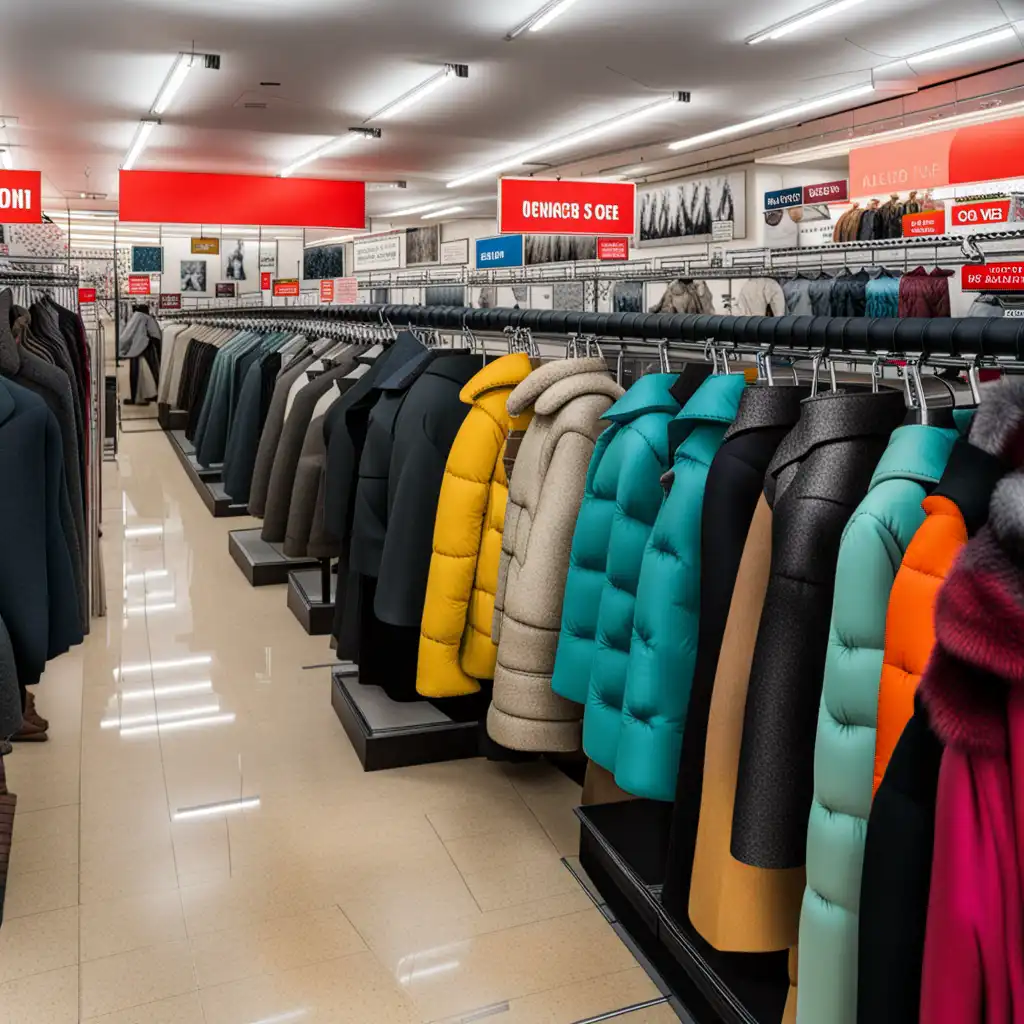
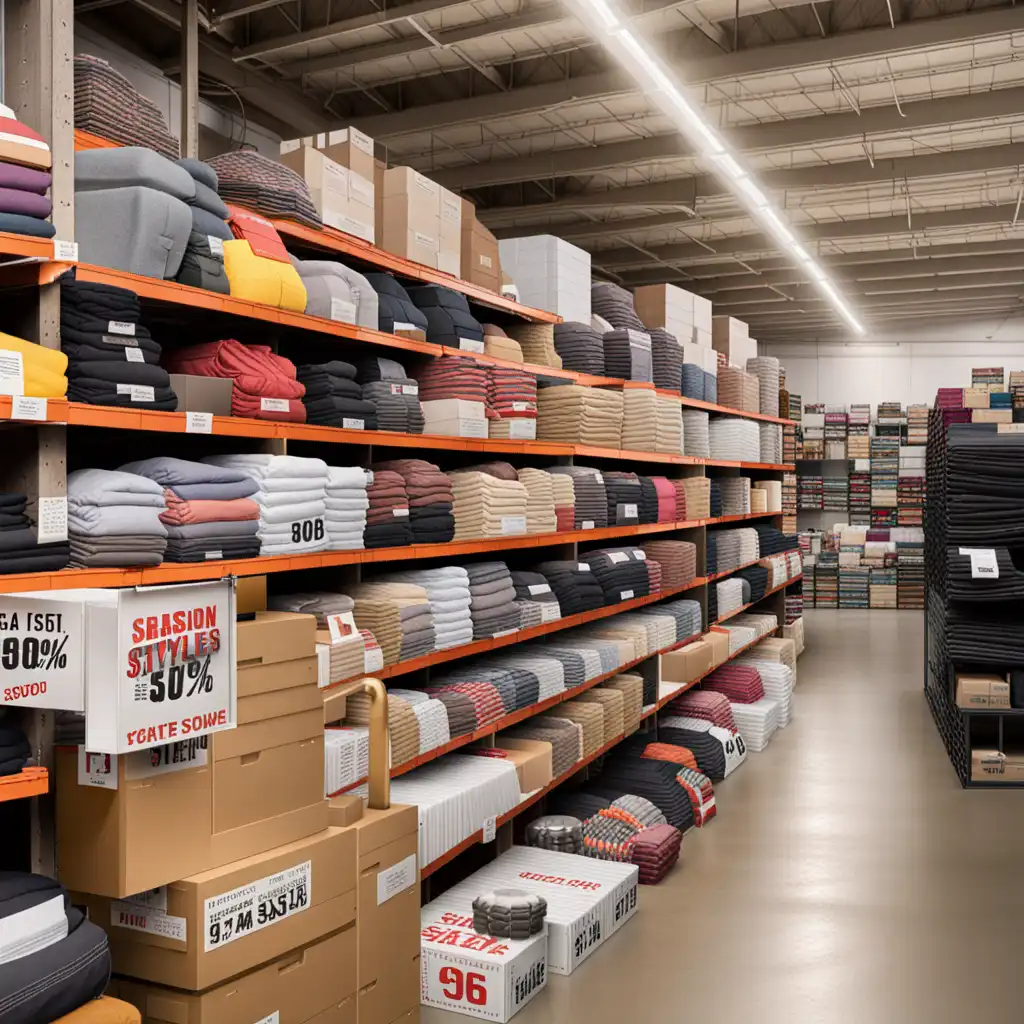
'Overstock' is a word used to describe a situation where there are too many items in a store or warehouse that aren't being sold. This can happen when the company buys too much of a product, or if the product isn't as popular as they thought it would be. For example, if a clothing store orders too many sweaters for the winter season and not enough people buy them, they may end up with an overstock of sweaters. This can be a problem because it takes up space and ties up funds that could be used for other things. Businesses may try to sell their overstock items at a discount to make room for new merchandise or to recoup some of their investment. As a consumer, you may be able to find good deals on overstock items that are still in new condition.
Glut means an excessive supply or quantity of something.
It is often used to describe the situation when there is more of something than people want or need. For example, if there is a glut of apples, there are too many apples for people to buy or consume.
A glut refers to a general oversupply or overabundance of something, while overstock is more specific to the excess inventory of a particular product or goods that a business has.
Overflow refers to a situation where there is too much of something that cannot contain a certain volume or amount. For example, when a bathtub is filled with water past its capacity, the water spills out onto the floor.
Overflow is applicable to any situation where something is filled beyond its limit, such as when a river overflows its banks during a flood.
Overflow refers to excess that cannot be contained, while overstock refers to excess inventory that is not being sold.
Superfluity refers to a general excess or abundance of something, whether it be physical goods or intangible concepts like information or ideas.
Overstock is applicable in a commercial setting when there is too much inventory or goods, while superfluity can refer to any situation where there is a general excess or abundance.
Overstock refers to an excess amount of inventory or goods that a business or store has purchased or produced beyond what they can sell or use.
It is a term mainly used in business and retail to describe a surplus of products.
Too much of a good thing refers to having an excessive amount of something that is generally desirable or beneficial.
It is a colloquial phrase used to indicate that too much of something, no matter how good it may seem, can have negative consequences.
While both terms refer to having an excess amount of something, overstock is more specific to business and commerce,while too much of a good thing is a more general phrase that can be used in any context.
It was Dell who came out with their build-on-demand process, where they are able to keep a zero balance inventory. That means they don't purchase parts until an order is received. That is a way to greatly reduced overhead, since you don't need to warehouse parts or overstock parts you may not end up using.