tang
noun tang
tæŋ
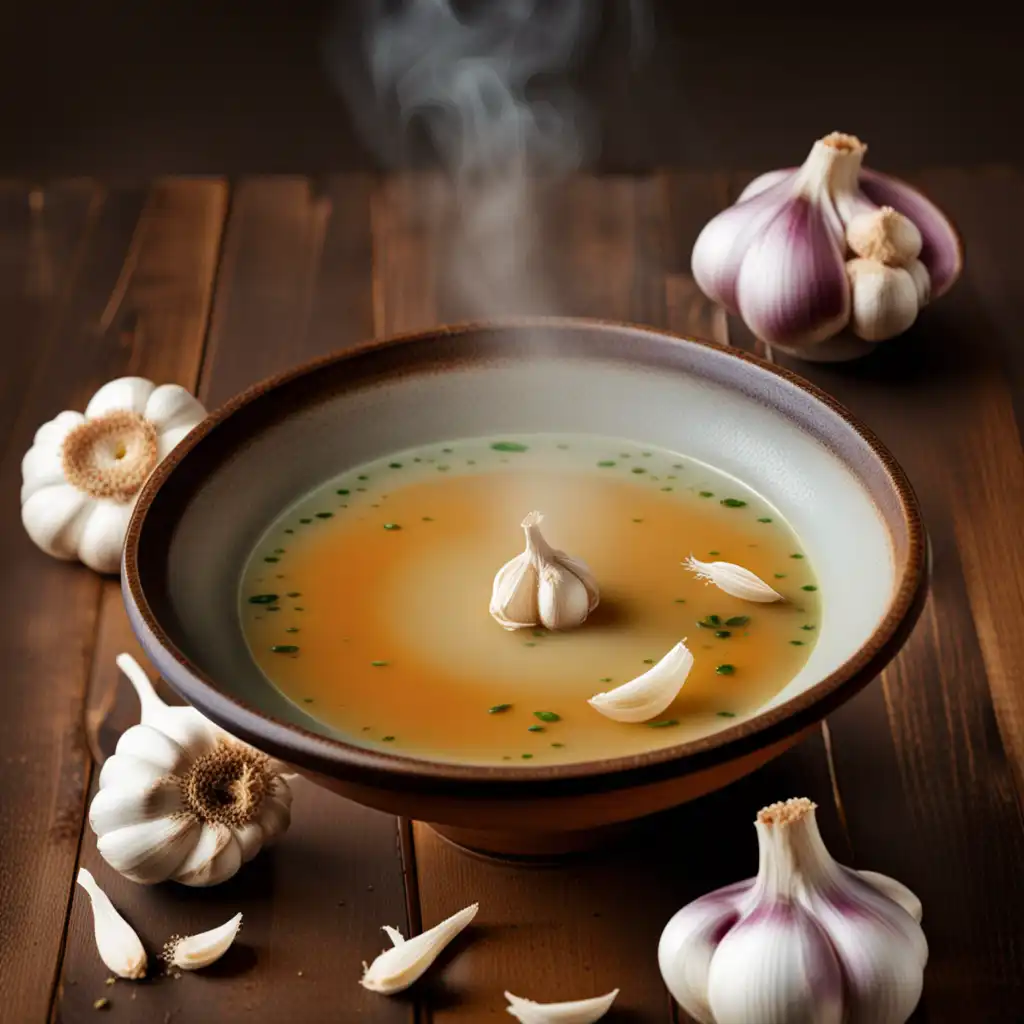
A strong taste, flavor, or smell
The soup has a tang of garlic.
tang
tæŋ
Cargando…
tæŋ
A strong taste, flavor, or smell
The soup has a tang of garlic.

tæŋ
The pointed part of a tool, such as knife, which is connected to the handle
The tang of the knife was firmly embedded in the handle.

tæŋ
A kind of seaweed
There are many varieties of tang along the coastline.

tæŋ
A type of brightly colored tropical fish
We saw a tang swimming among the coral reefs.

tæŋ
An offensive or unpleasant smell or taste
There was a horrible tang in the air after the garbage truck passed by.

tæŋ
The sound made when a metal object is hit.
The tang of the blacksmith's hammer hitting the anvil echoed through the town.
No se pudo cargar el audio. Inténtalo de nuevo más tarde.
'Tang' is a word that can be used in different contexts, but generally refers to a sharp or strong taste or flavor. It is often used to describe something that has a citrusy, sour or acidic taste. For example, when you drink orange juice or eat a lemon, you might feel a tangy flavor in your mouth. You can also use the word 'tang' to describe a sudden, pungent scent or smell. For instance, if you go for a walk in the woods and catch a whiff of pine needles, you might say that there's a tang of pine in the air.In some cases, 'tang' can also describe a sharp, metallic sound. For example, if you hit a metal object, it may create a high-pitched, tangy noise.Overall, 'tang' is a word that is often used to describe sensory experiences like taste, smell, or sound. If you come across this word in your reading or listening, pay attention to the context to understand how it is being used.
Aroma refers to a pleasant or sweet smell, usually associated with food or fragrance. Aroma is applicable in situations where we want to describe something that smells good, like the aroma of flowers, coffee or even freshly baked bread.
Aroma describes a pleasant smell, while tang describes a sharp and strong taste.
Abrir palabra: Aroma →Bite generally refers to the action of using one's teeth to cut or break food or an object. It also describes a sharp or strong flavor in food.
For example, a person might say, "This apple has a crisp bite to it" or "I took a bite out of the sandwich."
So, while both words refer to a strong or sharp taste, bite typically pertains to the action of cutting or breaking while tang is more of a description of the taste itself.
Abrir palabra: Bite →Flavour is the overall taste of a food or drink.
It can also refer to the specific taste that a certain ingredient gives to a dish. For example, vanilla flavour in ice cream or coffee.
Flavour is the general taste of something while tang refers to a specific sharp, acidic taste or smell.
Flavour can be sweet, salty, bitter or sour while tang is usually associated with citrus fruits.
Abrir palabra: Flavour →Piquancy refers to a strong, stimulating taste or flavor, usually with a bit of spiciness or heat. It's often used to describe the taste of spicy or flavorful foods.
For example, a curry might have a lot of piquancy.
It's a more sour taste than piquancy, and can sometimes be a bit bitter as well. For example, lemons have a tangy flavor.
So, while both words describe strong tastes, piquancy is more about spiciness and tang is more about sourness. They are both applicable in describing different types of flavors in food, and the choice of word will depend on the specific taste being described.
Abrir palabra: Piquancy →Save means to keep something from harm or danger, like saving money for the future.
It can also mean to rescue someone from danger or peril, like saving someone from drowning.
Save is applicable when talking about protecting something or someone, while tang is applicable when discussing taste or flavor.
Abrir palabra: Save →Sharp refers to the pointiness or fineness of an object, such as a knife or a pencil.
Tang refers to a sharp or sour taste, often associated with certain foods and drinks like citrus fruits or vinegar.
Sharp describes a physical characteristic of an object, while tang describes a taste or flavor.
Abrir palabra: Sharp →Tang refers to a sharp or sour flavor that is often associated with citrus fruits or certain candies. It is a more specific term than taste and can describe a specific element of a food or drink.
Taste is a general term that refers to the overall flavor or perception of a food or drink. It encompasses all of the different flavors and sensations that make up the experience of eating or drinking something.
So, while tang refers to a specific aspect of taste, taste is a broader term that encompasses all of the various flavors and sensations that we experience when we eat or drink something.
Abrir palabra: Taste →Zest, on the other hand, refers to a strong, aromatic flavor and fragrance that comes from the outermost layer of citrus peel.
It is used to add a bold, tangy flavor to recipes without adding a lot of liquid. You might grate the zest of a lemon or lime and add it to a cake batter, a salad dressing, or a marinade for fish or chicken.
Zest can also refer to a lively, enthusiastic attitude or energy, as in "she approached the project with zest and determination."
Tang refers to a sharp, sour taste, while zest refers to a strong, aromatic flavor from the outer peel of citrus fruits.
Abrir palabra: Zest →But underneath there's a sharp tang, like nettles and dandelion. The taste of my motherland Turkey, is a mixture of sweet and bitter. And the reason why I'm telling you this is because I think there's more and more people all around the world today
Ver en YouTube ↗I love sushi. A well made roll with just enough vinegar tang has always been a lifesaving post-bourbon remedy for me.
What you're looking at isn't some weird x-ray. It's actually a baby yellow tang surgeonfish at two months old. And you thought your childhood was awkward. But here is the same fish as an adult,
Ver en YouTube ↗Tang sucks.
but he's too close for comfort men tang is used to getting his food from humans they move away from him quickly
Ver en YouTube ↗Despite the volatile mixture of family, politics and past misdeeds darkening the present, 'Hardball' doesn't have the sharp tang of the early novels or the expansive reach of more recent series installments.
The texture of Mexican crema is thinner than that of regular American sour cream, but it also has a more distinct tang to it.
The tang of tamarind is a great way both to flavour and lighten up slow-cooked savoury dishes.