habitat
noun habitat
ˈhæbɪtæt
The natural home or environment of an animal, plant, or other organism
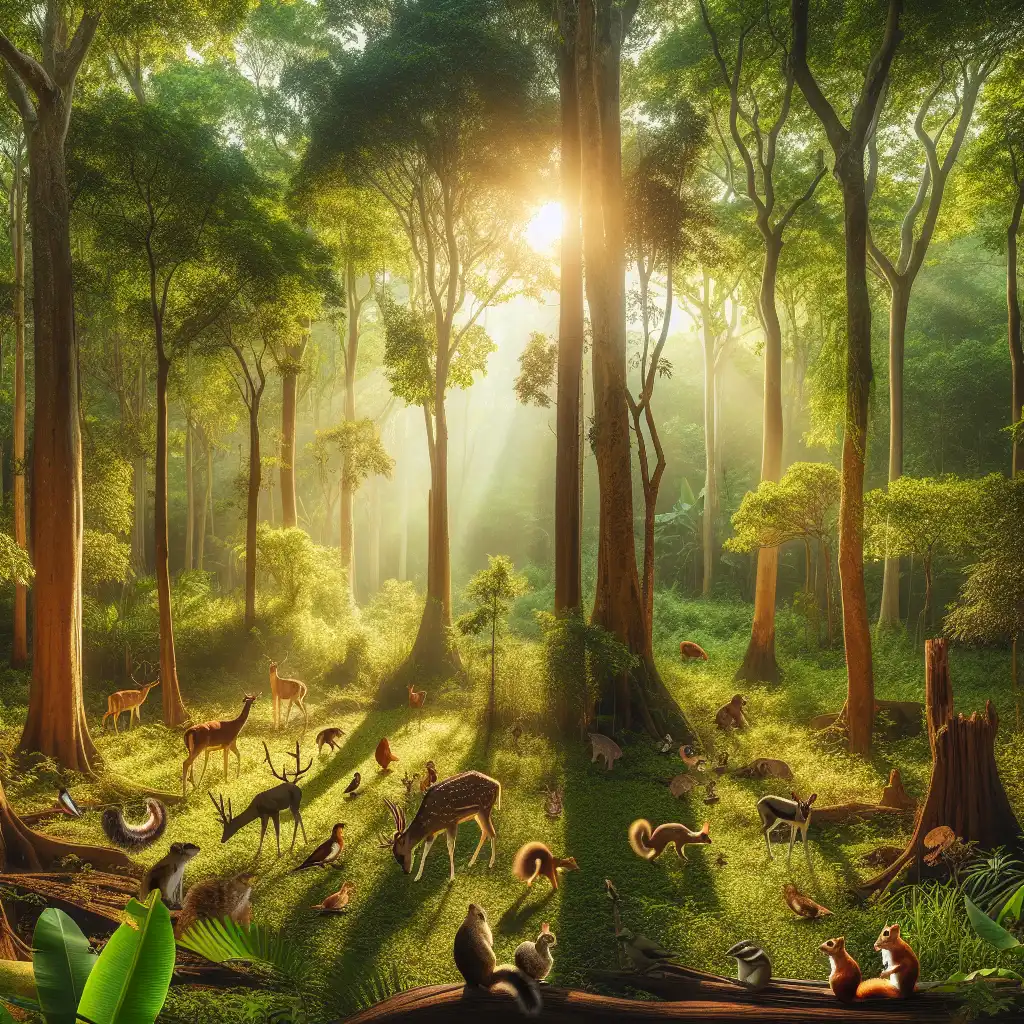
The forest is a natural habitat for many kinds of animals.
habitat
ˈhæbɪtæt
読み込み中…
ˈhæbɪtæt
The natural home or environment of an animal, plant, or other organism
The forest is a natural habitat for many kinds of animals.
ˈhæbɪtæt
A particular type of environment regarded as a home for organisms
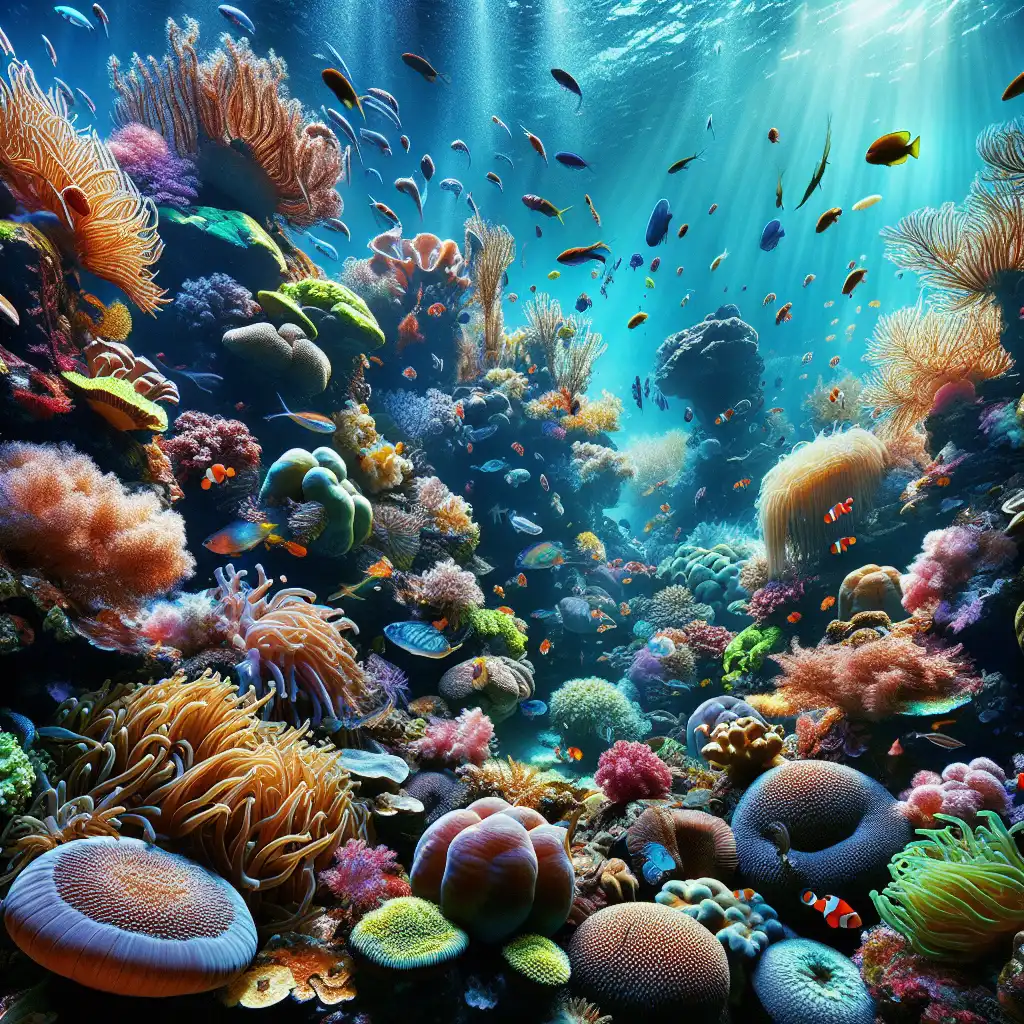
Coral reefs provide habitat for a variety of marine life.

ˈhæbɪtæt
The place where a person or organization is typically found
The downtown district is the natural habitat of trendsetters and hipsters.
音声を読み込めませんでした。しばらくしてからもう一度お試しください。
Habitat refers to the natural environment where a particular plant or animal lives. For instance, the sea is the habitat for fish, while the forest is the habitat for deer and other wild animals. It is essential to protect habitats as animals and plants need certain conditions to survive and thrive. In everyday conversation, habitat can be used when talking about the natural environments of different species, or when discussing environmental issues like deforestation or climate change, which can negatively impact habitats.
Area refers to a particular region or space, while the word habitat refers to the natural home or environment of an animal or plant.
If we talk about the size or extent of the forest itself, we are describing its area.
Area refers to the physical space, while habitat refers to the natural environment and home of an animal or plant.
単語を開く: Area →A domain refers to a specific area of activity or knowledge, while habitat refers to the natural environment where an organism or species lives and grows.
For example, the domain of physics includes the study of motion and energy, while the habitat of a bird may be a forest, a meadow or a desert.
While domain is more commonly used in academic or professional contexts, habitat is used when referring to the natural world and the interactions between living things and their surroundings.
単語を開く: Domain →The environment refers to all of the things in the natural world around us. It includes things like the air we breathe, the water we drink, and the plants and animals we share our planet with.
To illustrate the difference, imagine a bird living in a city park. The environment of the park might include things like the temperature, weather patterns, and air pollution levels.
Both environment and habitat are important concepts to understand when it comes to conservation and sustainability. By protecting and preserving natural environments, we can help support the many habitats within them, and ensure that plants and animals can continue to survive and thrive for generations to come.
単語を開く: Environment →Home refers to a place where a person or animal lives, often in a shelter or structure. It could be a house, apartment, nest, or den.
Habitat is more focused on the natural environment, while home is more focused on man-made structures. Habitat is applicable when discussing the natural environment, ecosystems, and the animals and plants that live there.
Home is applicable when discussing where a person or animal lives or the structure that they reside in.
単語を開く: Home →Habitat refers to the natural environment or home of plants, animals or organisms, whereas locality refers to a specific area or region.
Locality refers to a country, city, town or specific place. It does not have to be a specific environment like a forest, but a general geographic scope.
For example, a locality can be a specific neighborhood or street in a city.
単語を開く: Locality →A niche refers to the role that an organism plays in an ecosystem, including its interactions with other organisms and its use of resources.
A niche is more specific than a habitat and describes what an organism does in its environment.
For example, a fish living in a pond would have a habitat in the water, but its niche might be feeding on algae and providing food for predators like birds.
Different species can occupy the same habitat, but their niches may be distinct based on the strategies they use to survive.
単語を開く: Niche →A region is an area that is larger than a habitat and can encompass multiple habitats. It refers to a geographic area that has similar physical and environmental features like climate, soil, and topography.
For example, the tropical region refers to a large area that has a warm climate, lush vegetation, and abundant rainfall.
- Region: A larger geographic area that has similar physical and environmental features.
単語を開く: Region →Territory refers to a specific area that an individual or group of animals actively defends against others of the same species.
Habitat is the natural home of a species, while territory is the area that they actively defend or claim as their own. Habitat is applicable when talking about the natural environment of a species, while territory is used when discussing the social behaviors and interactions of animals.
単語を開く: Territory →Zone typically refers to a specific area or region with particular characteristics or features.
It can also refer to a specific temperature or climatic range. For example, the temperate zone refers to the region between the tropics and the Arctic or Antarctic circles.
Habitat is more specific to a particular organism's needs, while zone is more general and can refer to a range of characteristics or features.
Habitat is applicable when referring to a specific organism, while zone is applicable when referring to a larger region or environment.
単語を開く: Zone →protect coastal habitats, and halt the spread of invasive species. Protecting something as massive as the Great Lakes system will require the collaboration of many organizations, but the effort is critical if we can preserve the wonder of this flowing inland sea.
YouTube で見る ↗Ants are the dominant insects of the world, and they've had a great impact on habitats almost all over the land surface of the world for more than 50-million years.
a giant black void larger than all the rest of the world's habitats combined
YouTube で見る ↗The most important thing is to preserve the world we live in. Unless people understand and learn about our world, habitats, and animals, they won't understand that if we don't protect those habitats, we'll eventually destroy ourselves.
became very relevant in the world. And it worked out that way. So my research focuses on ways to make bees healthier. I don't research what's killing the bees per se. I'm not one of the many researchers around the world who's looking at the effects of pesticides or diseases or habitat loss and poor nutrition on bees.
YouTube で見る ↗Species are going extinct because of habitat loss and warming. I feel deeply responsible and think about it every day.
oil sands wants to ship their bid him in their oil their dirty crude through these narrow passageways and he said please help me can you do a story and help us keep these oil tankers out of there so I tried to think what could I do that would help bring attention to this area this sensitive fragile habitat
YouTube で見る ↗I believe our biggest issue is the same biggest issue that the whole world is facing, and that's habitat destruction.
body in the solar system and they're created when an asteroid or comet hits the planet or a moon they have a very destructive reputation but they actually can create fantastic habitats for life microbes such as these cyanobacteria live inside impact sorted rocks and they
YouTube で見る ↗There are some who would like to see the oil rigs removed right down to the ground once their job is done, and there are others, and I count myself among them, who think that once they are in place they begin to be adopted by life in the ocean as a habitat.
who can recognize themselves in a mirror, it's hard to escape the conclusion that they are conscious intelligent and emotional beings. Unfortunately humanity's treatment of elephants does not reflect this, as they continue to suffer from habitat destruction in Asia,
YouTube で見る ↗Habitat for wildlife is continually shrinking - I can at least provide a way station.
Eternal reefs take that concept to the depths of the ocean using a mixture of ashes and cement to create marine habitats for sea life. Death is an inevitable part of the human condition, but how we treat bodies and burials continues to evolve. We may each have different spiritual, religious,
YouTube で見る ↗The natural habitat of the tongue is the left cheek.
and helping them cope with habitats that other creatures can't. Even their small size, which we might see as a disadvantage, is something they use to their benefit. Because most species are so tiny, millions of insects can inhabit a small space
YouTube で見る ↗People habitat has to take priority over bird habitat.
or be unable to fly, are more likely to be encountered by people. So a good way to protect yourself is to protect bats as well, keeping them healthy protecting their habitats, and reducing their risk of transmitting disease.
YouTube で見る ↗Habitats keep evolving new pageants of species, and we shouldn't interfere.
and depriving fish of key nursery habitats. So what does it look like to give fish a break and let them recover? Protection can take many forms. In national waters governments can set limits
YouTube で見る ↗The gutter is Bertie Ahern's natural habitat.