
effervescence
noun effervescence
ˌefərˈvesns
The state of being excited, lively, or cheerful
The effervescence of the crowd at the concert was contagious.
effervescence
ˌefərˈvesns
加载中…
ˌefərˈvesns
The state of being excited, lively, or cheerful
The effervescence of the crowd at the concert was contagious.
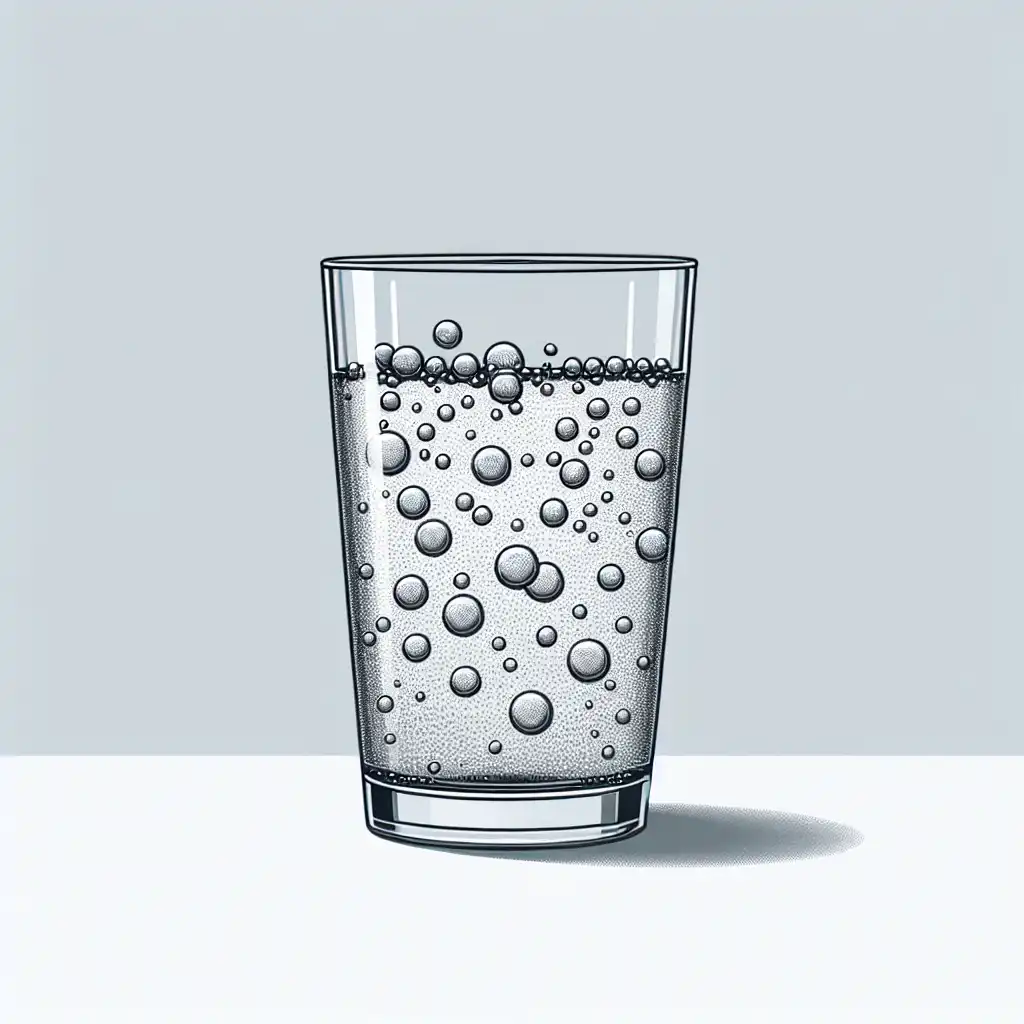
ˌefərˈvesns
The process of bubbles forming in a liquid
The fizzy drink's effervescence is due to the presence of carbon dioxide.
音频无法加载,请稍后再试。
Effervescence is a word that describes something fizzy or bubbly. It is often used to refer to drinks like soda or champagne that have lots of bubbles. You could use it in a sentence like "I love the effervescence of a cold can of soda on a hot day!" or "The champagne had a delightful effervescence as it bubbled in the glass."
Animation is the state of being lively, exciting, and full of energy. It refers to the movement and liveliness of a person or object.
Animation describes the movement and liveliness of something, while effervescence describes the bubbly and lively nature of something.
打开单词: Animation →A bubble is a pocket of air or gas that is surrounded by a thin layer of liquid. Bubbles commonly form in liquids that are agitated, such as when you shake a bottle of soda, and they can vary in size from very small to very large.
Bubble is often used to describe something that is delicate, fleeting, and easily burst, like a soap bubble.
Effervescence refers to the process of a gas escaping from a liquid and forming bubbles. This can happen naturally, as in the case of carbonated beverages, or it can be induced artificially, such as when you mix baking soda and vinegar.
Effervescence can also describe a lively, sparkling quality in a person or thing, as though they are bubbling over with energy and enthusiasm.
A bubble is a single pocket of air or gas, while effervescence is the process of gas escaping from a liquid to create many bubbles.
Both words can describe things that are lively and energetic, but bubble is often associated with fragility and impermanence, while effervescence suggests excitement and motion.
打开单词: Bubble →Effervescence refers to the bubbling or fizzing that occurs when a substance releases gas or is mixed with a liquid.
It is often used to describe the carbonation in drinks like soda or champagne. Fizz simply means the sound or sensation of bubbles popping in a drink.
It is a more general term and can describe any drink that has bubbles. Both terms relate to the carbonation in drinks, but effervescence is more specific and scientific, while fizz is a more colloquial term.
打开单词: Fizz →Foam refers to bubbles that form on the surface of a liquid due to agitation or a physical change, like shaking a bottle of soda.
In other words, effervescence is the scientific word for the process of producing bubbles through a chemical reaction, while foam is the more general term for bubbles that are created through physical movements or changes.
Effervescence is applicable in scientific contexts, while foam can be used in everyday language when referring to bubbles in drinks, soap, or other materials that create a bubbly texture.
打开单词: Foam →It usually describes the fizzing of carbonated drinks or the bubbling of a tablet in water. Sparkle generally refers to the reflection of light or the shine on a surface, like the glitter in a diamond or the shimmer of sunlight on a lake.
Sparkle can also describe something that is lively and vivacious, such as a person's personality or a conversation. Both words can be used to convey a sense of excitement or energy, but they are applied in different contexts.
打开单词: Sparkle →Effervescence refers to the bubbles that are produced in a liquid, like the fizz in a carbonated drink. Tingle refers to a feeling on your skin or in your muscles, like when your foot falls asleep.
Both words have different meanings and are applicable in different situations. Effervescence is mostly used when describing a liquid or beverage with bubbles, while tingle describes a sensation on your body.
打开单词: Tingle →Effervescence refers to a process of bubbles forming in a liquid, such as in soda. Vigor refers to physical or mental strength and vitality.
Effervescence is applicable to liquids that undergo a chemical reaction to produce bubbles, while vigor is applicable to individuals who have strength and energy.
打开单词: Vigour →Vitality refers to a more sustained sense of energy and liveliness.
So, while both words describe energy and liveliness, effervescence is more temporary and short-lived, while vitality is more long-lasting and essential.
打开单词: Vitality →An interview with the...
在 YouTube 上观看 ↗I'm fairly sort of a laid-back and optimistic guy full of effervescence and vitality.
Adam Nicolson: The King...
在 YouTube 上观看 ↗I had always been aware of George's importance to me, of the bond of friendship and of the sparkle and light, effervescence and electricity that suffused the music we made.
Many people who don't like Rachmaninov's style consider the 'Rhapsody' his masterpiece. It's written fantastically well for orchestra and piano. He combines a lot of effervescence with a deep, Romantic spirit.
I'm not bankrupt of effervescence. I'm not bankrupt of craic.
The institution of marriage should be re-examined because of its overwhelming claustrophobia. The odds are stacked against spontaneity and effervescence. It's an institution that was brought about for the sake of family and children, but biologically, it's very unnatural. It's masochism and torture the way it's been organized.