lore
noun lore
lɔːr
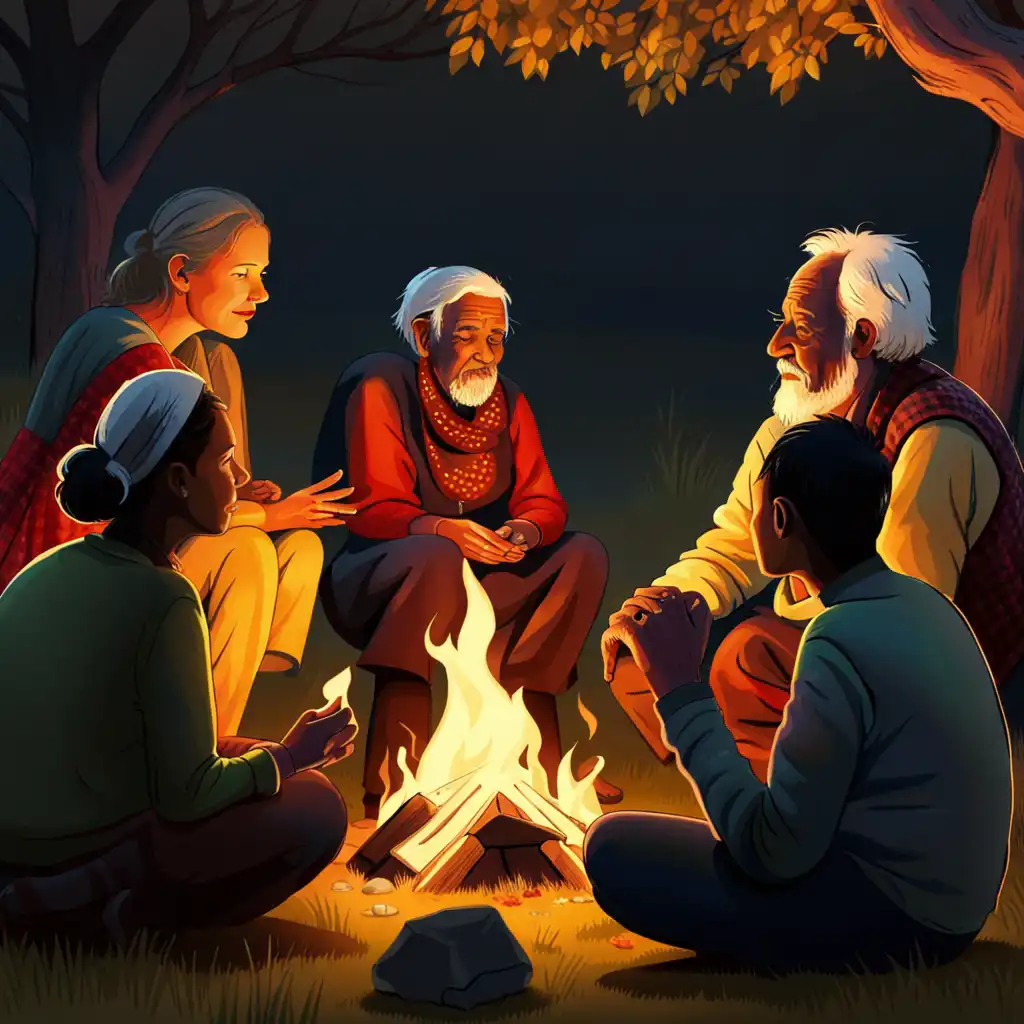
Traditional knowledge or stories that are passed down from generation to generation.
The country's rich folklore is passed down through stories, songs, and dances.
lore
lɔːr
Loading…
lɔːr
Traditional knowledge or stories that are passed down from generation to generation.
The country's rich folklore is passed down through stories, songs, and dances.
lɔːr
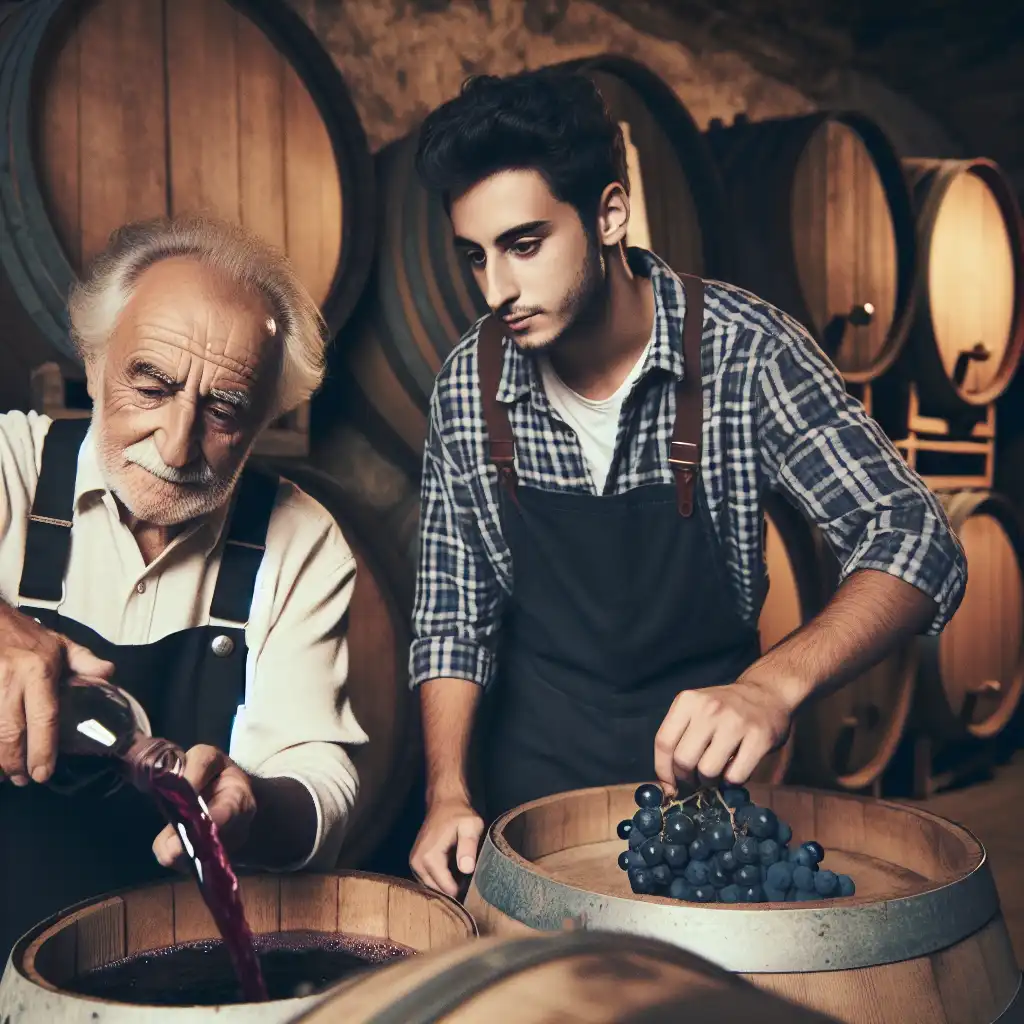
The body of knowledge, especially of a traditional, anecdotal, or popular nature, on a particular subject.
The lore of wine-making has been passed down through generations of the family.

lɔːr
The body of traditions and knowledge on a subject or held by a particular group, typically passed from person to person by word of mouth.
The game's lore is complex and interconnected, making it feel like a real world.

lɔːr
In a zoological context, the space between the eye and the bill, or the corresponding space in snakes, spiders etc.
The bird has a distinctive yellow stripe on its lore.
Audio could not be loaded. Please try again later.
Lore refers to knowledge or information, especially traditional knowledge or stories, that has been passed down from generation to generation. It's often used to describe the accumulated wisdom of a particular culture, place, or community. For example, Native American lore might include stories about the origins of the world or the behavior of animals, while British lore might include tales of King Arthur or Robin Hood. People might also use the word lore to describe specialized knowledge or understanding of a particular subject, such as gardening lore or Star Wars lore. Essentially, lore is a way of describing cultural knowledge that has been handed down over time.
A fable is a short story that teaches a moral lesson, often featuring animals. It usually has a clear and obvious lesson that the author wants to impart.
Fables are often used as cautionary tales to teach young children about right and wrong.
In summary, fables are short stories that teach moral lessons, while lore is a body of knowledge or story passed down through generations.
Fables are applicable when teaching lessons to young children, while lore can be used to explain cultural or historical significance.
Open word: Fable →Folklore refers to traditional customs, stories, and beliefs of a particular culture or community that have been passed down through generations.
In simpler terms, folklore is a specific type of lore that is focused on the stories and beliefs of a particular culture or community, while lore can refer to any type of knowledge that is passed down through generations.
Open word: Folklore →Knowledge refers to facts, information, and skills acquired through experience, education, or research.
Lore is knowledge that is passed down through generations, usually by word of mouth or by tradition. It comprises of stories, myths, legends, and traditions that have been handed down over time within a culture or community.
Both knowledge and lore are valuable and applicable in different contexts. Knowledge is useful for practical purposes and for gaining a deeper understanding of the world.
Open word: Knowledge →Legend refers to stories that are often based on historical events but have been exaggerated or embellished over time.
To simplify, legends are stories that may or may not be true but are popularly known while lore is a body of knowledge passed down from generation to generation.
Open word: Legend →It can include historical facts, practical knowledge, and cultural customs. Myth refers to stories or beliefs that explain natural phenomena, religious beliefs, or the origins of a culture.
Myths often involve supernatural or divine beings and are not necessarily based on facts.
Both lore and myth are applicable in different contexts. Lore may be used when discussing a culture's customs, traditions, or historical knowledge.
Myth might be used when discussing a culture's religious beliefs or stories of gods and goddesses.
It is important to note that while myths may not be factual, they hold significant cultural and symbolic value.
Open word: Myth →Tale typically refers to a story that is fictional or imaginative. It may or may not have a basis in reality, but it is meant to entertain or captivate an audience.
Tales can come from various sources, including folklore, mythology, or personal experiences.
Lore describes a body of knowledge and stories that are part of a particular culture or tradition, while tale is typically used to describe a fictional or imaginative story meant to entertain or engage an audience.
Open word: Tale →Tradition refers to customs or practices that have been established and maintained over time, often within a family or community.
Lore is a body of knowledge or stories, whereas tradition is a set of customs or practices.
Lore is often associated with fantasy and myth, while tradition is associated with cultural heritage and social norms.
Open word: Tradition →Wisdom refers to a deep understanding and insight into the nature of things, often gained through personal experience or reflection.
Wisdom can apply to any subject, and is often associated with making good decisions and living a fulfilling life.
So, while lore refers to traditional knowledge and stories, wisdom refers to a deeper understanding and insight. Both can be useful and applicable in different situations, but they refer to different things.
Open word: Wisdom →a collective term for shamans of various ethnic groups. They were the community healers, specialists in herbal and divine lore. They delivered babies and communicated with the spirit world.
Watch on YouTube ↗Pretty much my entire life has been played out in front of wrestling fans, even the stuff - I guess you could say the legend and lore - which has grown.
various perfumes and colognes because it's it's sort of in zoo lore we've known about that for years smell is an important sense for all cat species an investigating sense is common especially those in an artificial setting which
Watch on YouTube ↗The comic hobbyists world is so passionate about the details and the lore and the more you get into that, the more interesting it is for you.
Vampire lore in the region predated Christianity's arrival and persisted despite the church's efforts to eliminate pagan beliefs. Stories of vampires originated from misinterpretations of diseases, such as rabies, and pellagra, and decomposition.
Watch on YouTube ↗I was embarrassingly well-versed in Marvel lore, so it was pretty easy to slip into that world. But really, already, by the time I'd started writing superhero comics, my dream was really to be writing my own characters.
local lore often served as an alternative archive, a different way of recording history. A ghost story about someone being killed and coming back to haunt the town was an important arrow, a sign to look more deeply into the history of a place.
Watch on YouTube ↗A lot of the strength of an RPG world lies in its foundation: its systems, lore, and when appropriate, its magic systems. While there are elements tied to 'Project: Eternity' that at first glance seem to be classic fantasy, that's intentional - we do want to recreate some elements of a High Fantasy experience.
There's just a little bit of it sequenced. There's almost no epidemiology or studies on it. No one would even consider it, because no one had a clue that it could cause respiratory failure. And why is that? Just lore. There's no data -- no data to support whether it causes severe or mild disease.
Watch on YouTube ↗But more wonderful than the lore of old men and the lore of books is the secret lore of ocean.
the show we eavesdrop on the wild conversations we have at national geographic and follow them to the edges of our big weird beautiful world sorry guys on today's episode we're looking at shark lore to understand how it impacts
Watch on YouTube ↗Hook' became a cult classic without all the lore.
carry the lore of distant northern lands. But your attention is caught by the grand dome representing the heavens. Reaching over 50 meters high and over 30 meters in diameter and ringed by windows around its base, the golden dome appears suspended from heaven,
Watch on YouTube ↗In the comic-book lore, of course, you mutate post a traumatic event. You must have the mutant gene, but if something traumatic happens to you, usually at puberty, then that mutation manifests itself.
There he found inspiration in the island's inhabitants landscape and culture to create artwork that intertwined European themes and Polynesian lore. Others looked the cultures of the Islamic world,
Watch on YouTube ↗Skeptical of strangers, lobstermen are keepers of secrets, working in the howling wind and hot sun, the icy snows, and bewildering fog. When I was growing up, the lore was that they had the right to shoot anyone who messed with their traps.
Arcane books of forbidden lore, disturbing secrets in the family bloodline, and terrors so unspeakable the very thought of them might drive you mad. By now these have become standard elements in many modern horror stories.
Watch on YouTube ↗I want to win so bad, but I think I've had too much of that lore for attraction that you'll do anything possible to get it. Sometimes people are there at a good time and kind of stumble upon it. Right time, right place type thing. I just want to keep working toward it with my mind and my body.
Wace added another centerpiece of Arthurian lore to Geoffrey’s sword, castle, the Round Table. He wrote that Arthur had the table constructed so that all guests in his court would be equally placed,
Watch on YouTube ↗Every child growing up will look to their parents, my mother and my father. My grandmother lived with us. I picked up quite a bit of family lore and history from her, which was interesting.