inebriation
noun inebriation
ɪˌniːbriˈeɪʃn
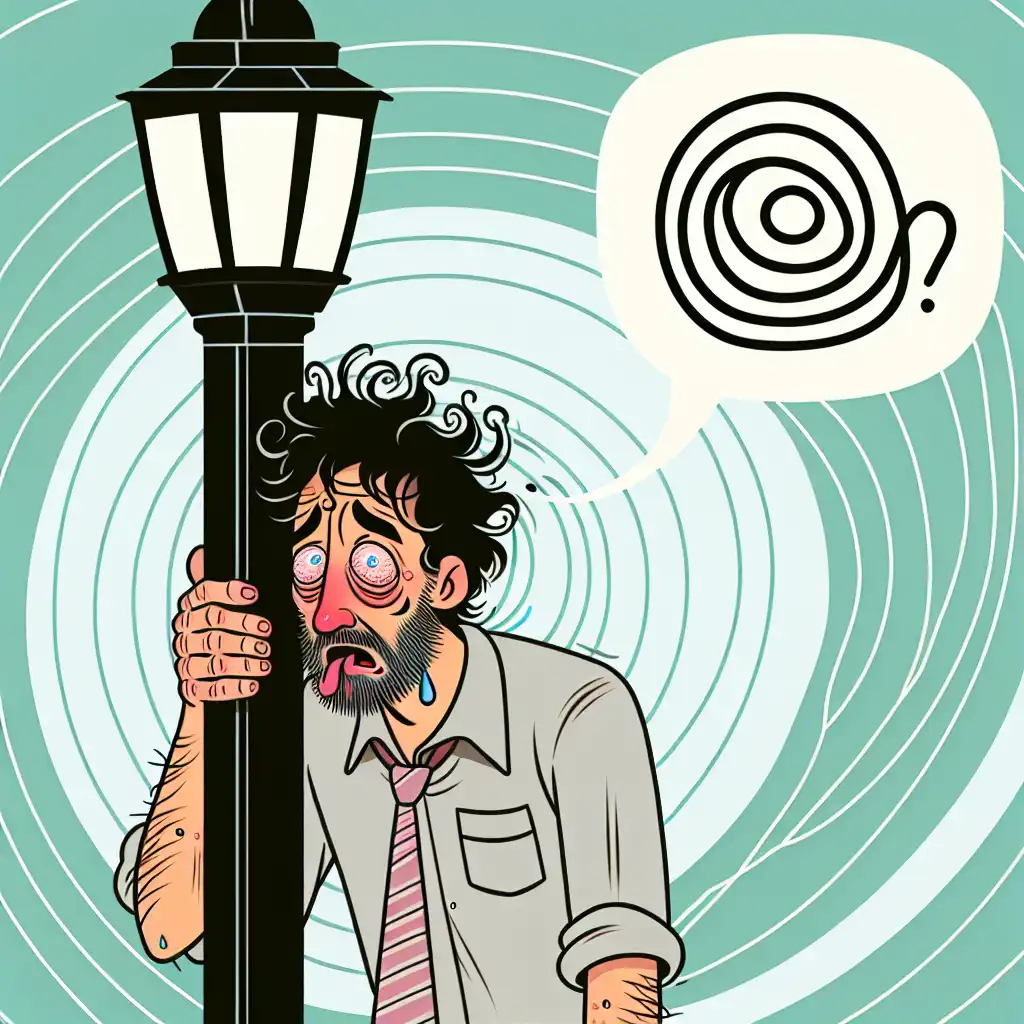
The state of being drunk or intoxicated
His speech was slurred and unsteady, a clear sign of his inebration.
inebriation
ɪˌniːbriˈeɪʃn
Chargement…
ɪˌniːbriˈeɪʃn
The state of being drunk or intoxicated
His speech was slurred and unsteady, a clear sign of his inebration.
ɪˌniːbriˈeɪʃn
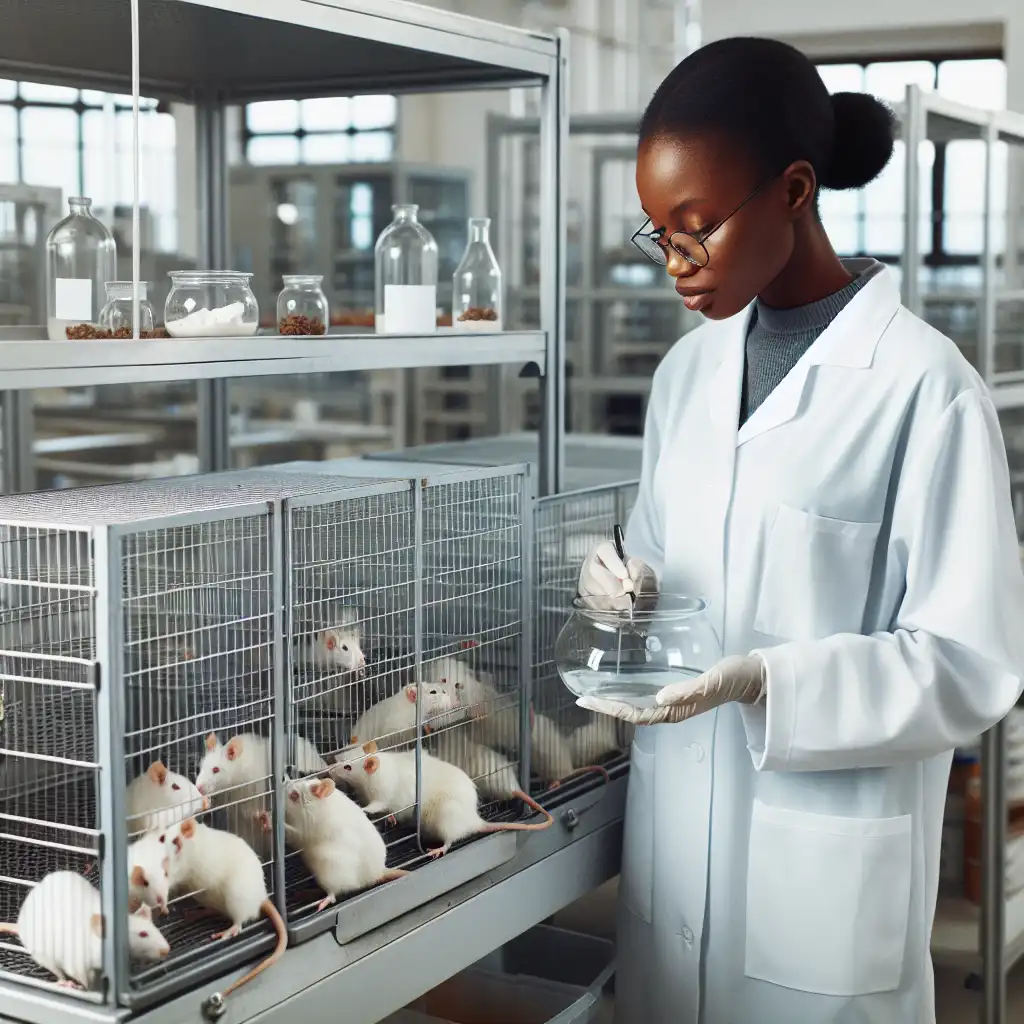
The process of making someone drunk
The experiment required inebration of lab animals to study the effects of alcohol on their systems.
Impossible de charger l’audio. Réessayez plus tard.
Inebriation is a fancy word that means being drunk or intoxicated after drinking alcohol. You can use this word in situations where you are talking about someone who has consumed too much alcohol and is acting or feeling strange because of it. For example, if you see someone stumbling around and slurring their words, you could say, "That person is exhibiting signs of inebriation."
Alcoholism is a medical condition where a person has a physical and emotional dependence on alcohol. Inebriation refers to the state of being drunk or intoxicated due to the consumption of alcohol.
Alcoholism is a long-term condition that requires professional help and treatment to overcome. Inebriation is a temporary state that can happen to anyone who drinks too much alcohol.
Alcoholism can result in serious health problems, including damage to the liver, brain, and heart.
Alcoholism is a chronic medical condition, while inebriation refers to the temporary state of being drunk. Alcoholism requires professional treatment, while inebriation can be avoided by drinking responsibly.
Ouvrir le mot: Alcoholism →Booze is a colloquial term for alcoholic drinks, while inebriation refers to the state of being drunk or intoxicated.
Booze can be used in casual conversations or slang while inebriation is more formal and scientific. Booze refers to the substance itself while inebriation describes the effects of the substance on a person.
Ouvrir le mot: Booze →Carouse refers to a noisy or lively drinking party with friends or acquaintances. It suggests a festive or even rowdy atmosphere.
Carouse refers to the activity of drinking with others, while inebriation refers to the effects of drinking too much.
Carouse can be applied in a more positive light, while inebriation has negative connotations.
Ouvrir le mot: Carouse →Debauchery refers to excessive indulgence in sensual pleasures, typically involving alcohol, drugs, or sexual activity.
Debauchery is more general and can refer to any type of reckless or immoral behavior, whereas inebriation specifically refers to being intoxicated.
Debauchery can be applicable in the context of parties, clubs, or any place where people engage in excessive and immoral behavior.
Ouvrir le mot: Debauchery →Dissipate means to gradually disappear or fade away.
Ouvrir le mot: Dissipate →Drunken is an adjective used to describe a person who is currently under the influence of alcohol. It is applicable when describing someone's behavior or state of being after they have consumed alcohol.
Drunken describes a person's behavior after drinking, while inebriation refers to the general effects of alcohol on someone's state of mind and body.
Ouvrir le mot: Drunken →Both words refer to a state of being under the influence of drugs or alcohol, but inebriation typically describes a more mild form of intoxication, while intoxication typically describes a more severe state.
However, if someone drank too much and was completely drunk and unable to function, they would be described as in a state of "intoxication."
Inebriation is a milder form of being under the influence, while intoxication describes a more severe form.
Ouvrir le mot: Intoxication →Revelry refers to lively and joyful celebrations, often involving music, dancing, and socializing.
So, while both words can refer to celebrations or social events, inebriation is more focused on the negative effects of excessive alcohol or drug consumption, while revelry is more about having fun and enjoying oneself in a social setting.
Ouvrir le mot: Revelry →