silt
noun silt
sɪlt
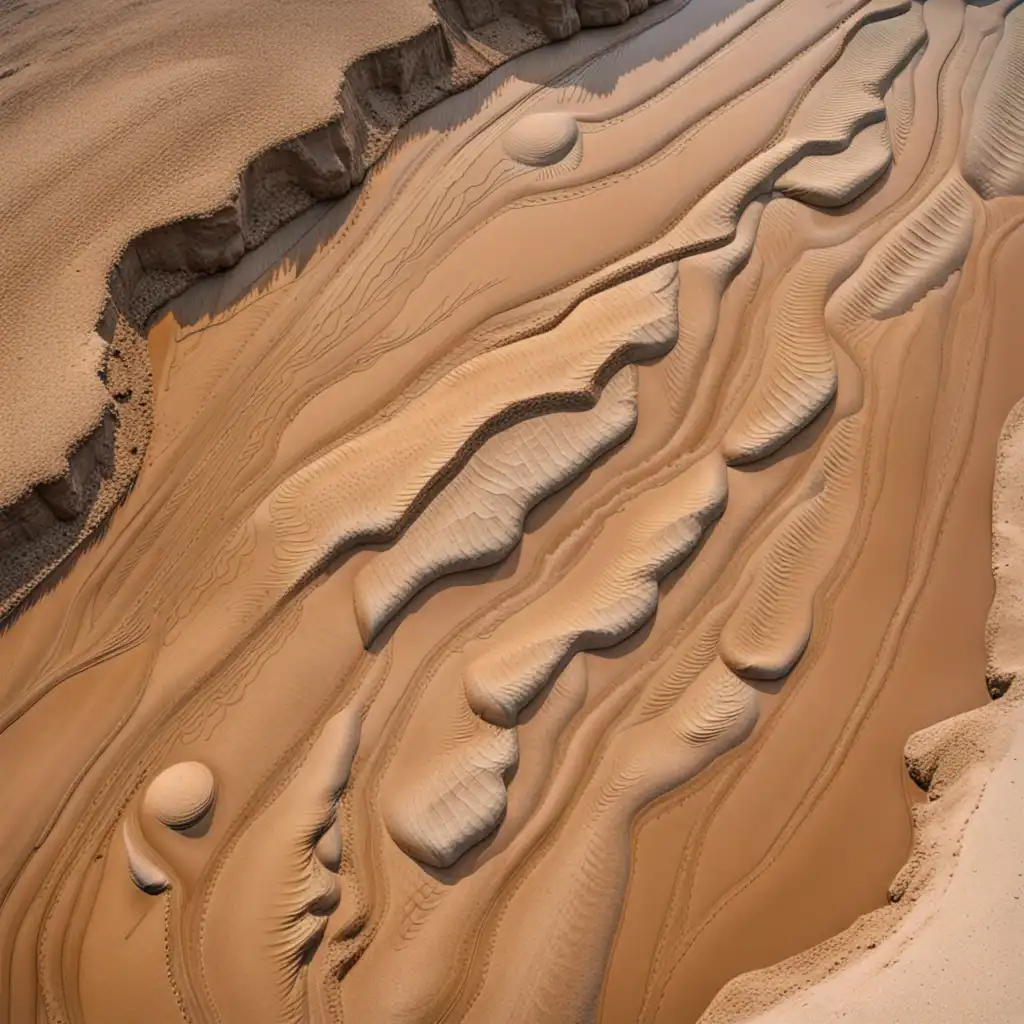
A type of fine sand, clay, or other material carried by water and settling at the bottom of a body of water.
The river's bottom was covered with layers of silt.
silt
sɪlt
読み込み中…
sɪlt
A type of fine sand, clay, or other material carried by water and settling at the bottom of a body of water.
The river's bottom was covered with layers of silt.
sɪlt
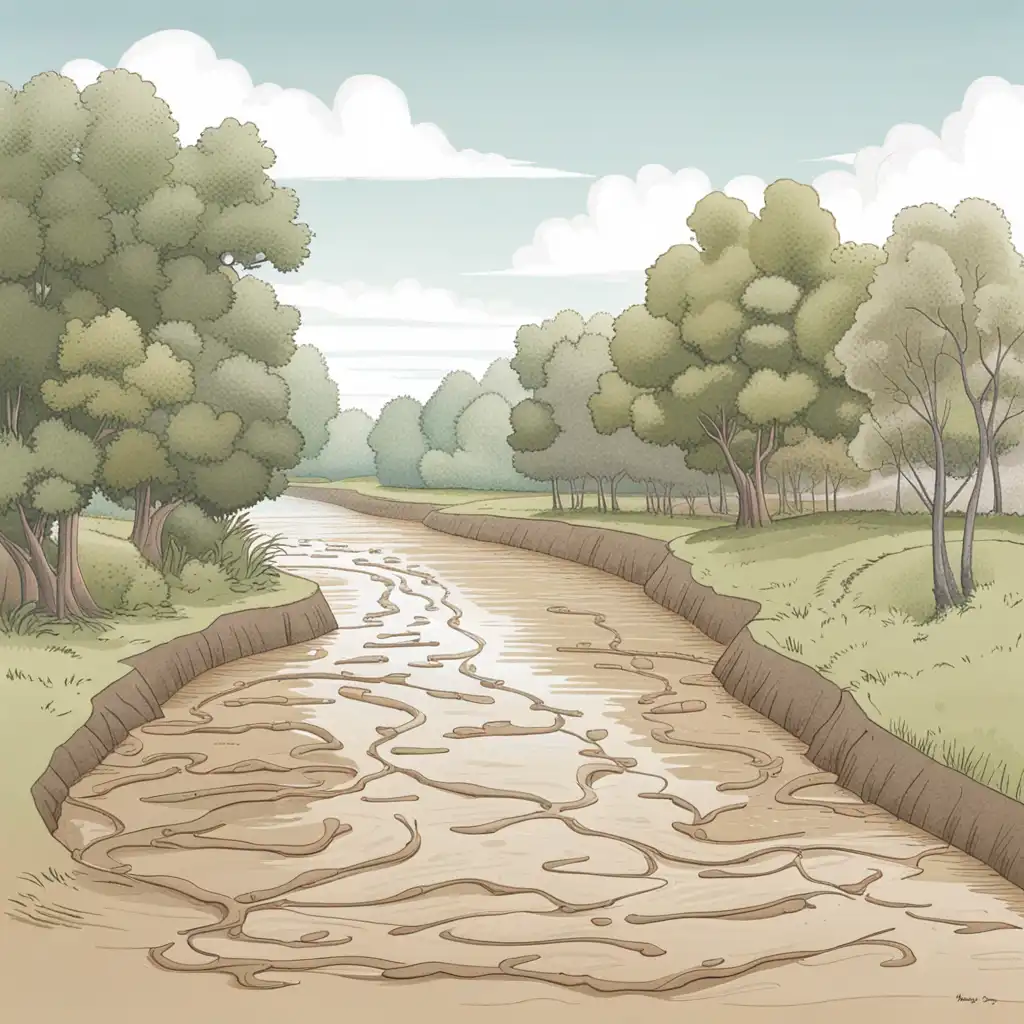
To become filled or blocked with silt.
The river has silted up over the years due to lack of maintenance.
sɪlt
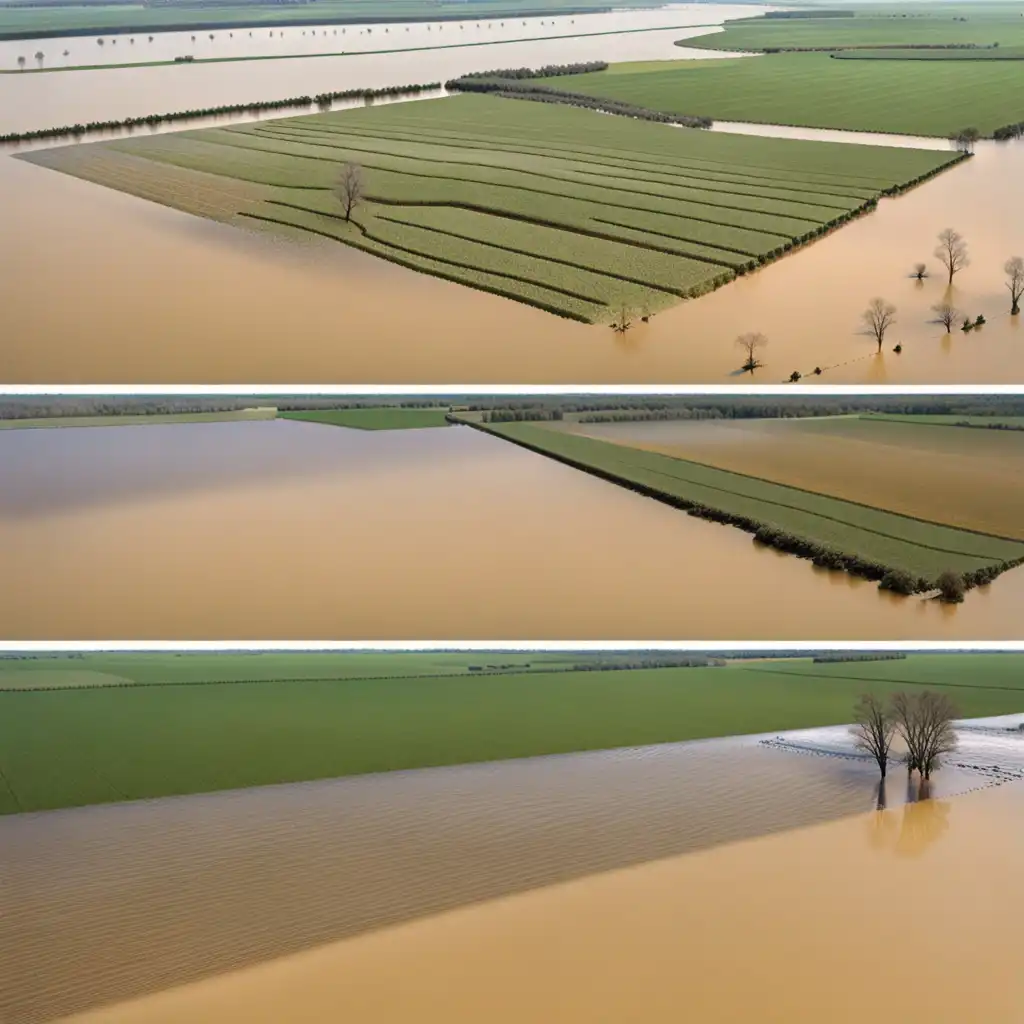
To deposit or cause to deposit as silt.
The floodwaters silted the farmland, making it more fertile.
音声を読み込めませんでした。しばらくしてからもう一度お試しください。
The word 'silt' is used to describe a type of sediment or soil that is made up of very fine particles like sand, clay or rock. This type of soil is often found at the bottom of rivers, lakes or other bodies of water, and can also be found on floodplains or in areas where water used to flow. When silt collects in water bodies, it can cause problems like reduced water flow, increased erosion, and pollution buildup. It is important to be aware of silt and its implications when working with or near bodies of water.
Alluvium refers to the material such as gravel, sand, or clay that is carried by moving water and deposited along the banks of rivers or streams.
In simpler terms, alluvium is the larger particles that settle near the river or stream and silt is the smaller particles that settle farther away.
Alluvium is found near the source of the water, while silt can be found downstream.
単語を開く: Alluvium →Clay and silt are both types of soil particles. The main difference between them is their size. Clay particles are very small, less than 0.002 mm, and can hold a lot of water.
Silt particles are larger than clay, between 0.002-0.05 mm, and can hold less water.
Clay soil is sticky and can be molded like playdough. It holds water well, but can easily become waterlogged and hard to work with.
Clay soil is often used for making pottery because of its ability to hold its shape.
Silt soil is smoother and has a more slippery texture than clay soil.
It can hold some water but not as much as clay. Silt soil is good for growing crops because it has good drainage and is easy to work with.
Clay is a very fine soil that holds water well and is ideal for making pottery. Silt is a slightly larger soil particle that has good drainage and is good for growing crops.
単語を開く: Clay →A deposit is something that is put or left in a particular place, such as money in a bank account, or a layer of minerals or rock that has been laid down over time.
Silt is a fine sediment that is typically carried by water and deposited at the bottom of rivers, lakes, or other bodies of water.
So in short, a deposit is something intentionally placed or left in a particular location, while silt is a natural accumulation of sediment that builds up over time.
単語を開く: Deposit →Earth refers to the soil or dirt that makes up the ground. It is the material that plants grow in and covers most of the earth's surface.
Earth is the soil that makes up the natural surface of the earth while silt is fine sediment found in water bodies.
単語を開く: Earth →Muck refers to a slimy, wet substance that is a combination of dirt, decaying matter, and water. It is commonly found in wetlands and swamps.
Muck is organic matter mixed with mud and water, while silt is composed of small rock fragments that have been worn down over time.
Muck is found in wetlands while silt is found in rivers and streams.
単語を開く: Muck →Mud and silt are similar in that they are both wet and muddy substances, but there are a few differences between them.
Mud is a mixture of soil, water, and organic matter.
Mud is often found in wet areas like swamps, marshes, and river banks.
So, while both mud and silt are types of wet and muddy substances, mud is thicker and contains more organic matter, while silt is finer and made up of small particles of rock and soil.
単語を開く: Mud →Sediment refers to any material (rock fragments, sand, silt, or clay) that is transported and deposited by water, wind, or ice.
Silt is a specific type of sediment that consists of particles between the sizes of sand and clay.
Sediment can be found in rivers, lakes, oceans, and even in the air as dust.
Sediment is a broad term that describes any material that is transported and deposited by natural processes or human activity, while silt is a specific type of sediment that is finer than sand but coarser than clay, and is often found in slow-moving bodies of water.
単語を開く: Sediment →Silt and sludge are both materials that can be found in water or on the ground, but they have different characteristics and applications.
Sludge is a thick, sticky substance that is usually produced by industrial or municipal wastewater treatment facilities.
Sludge is often treated and disposed of in ways that minimize its negative impact, such as being incinerated, composted, or buried in a landfill.
Silt is a natural sediment that can be beneficial for soil quality, while sludge is a man-made substance that needs to be carefully treated and disposed of to prevent harm.
単語を開く: Sludge →flaps sunlight hits the rich silt and tiny plants and animals flourish they're all food for a mudskipper but life on
YouTube で見る ↗Music, I think, is best when it honestly explores personal demons, and it stirs around in the silt of the psyche to find out what's really there.
silt hundreds of miles depositing it right on the banks of the river the silt ears rumored to have nutrients that help the skin and provide insulation that's your stone suit they'll be talking a nice stone suit
YouTube で見る ↗The sediments of the past are many miles in collective thickness: yet the feeble silt of the rivers built them all from base to summit.
a people who lived free in the forest until a generation ago, and now have all been reduced to servitude and prostitution on the banks of the rivers, where you can see the river itself is soiled with the silt that seems to be carrying half of Borneo away
YouTube で見る ↗flaps sunlight hits the rich silt and tiny plants and animals flourish there all food for a mudskipper but life on
YouTube で見る ↗flats sunlight hits the rich silt and tiny plants and animals flourish there all food for a mudskipper but life on land is not without problems
YouTube で見る ↗are just grinding the rock up as they move glaciers being rivers of ice and that is just silt from the rocks being ground up this is flying back along that area in Katmai and this is looking down on a braided river that's
YouTube で見る ↗silt and if you remove the dark stones you will have a line villagers pile discarded stones along the sides this border help shield the lines from
YouTube で見る ↗the Niles water irrigates the silt rich land it has created and over the next few months these perfect growing conditions fulfill the rivers promise to restore life
YouTube で見る ↗as the tide retreats it exposes mud flats sunlight hits the rich silt and tiny plants and animals flourish there
YouTube で見る ↗the answer lies in the mud as the tide retreats it exposes mud flats sunlight hits the rich silt and tiny plants and animals flourish there
YouTube で見る ↗